Nuiqsut Files Federal Lawsuit After Interior Cancels Teshekpuk Protections
Nuiqsut leaders sued the Department of the Interior after the agency canceled a right-of-way that had blocked oil and gas activity near Teshekpuk Lake, risking local subsistence resources.
Nuiqsut leaders filed a federal lawsuit this week in the U.S. District Court for the District of Columbia after the Department of the Interior canceled a Bureau of Land Management right-of-way agreement that had given the community authority to block oil and gas development around Teshekpuk Lake. The suit challenges Interior’s move to rescind protections the community says were meant to shield caribou habitat and subsistence use tied to ConocoPhillips’ Willow project.
The plaintiffs are identified as Nuiqsut Trilateral Inc., an Alaska not-for-profit made up of Native American entities, and the filing is brought on behalf of village leadership including the Nuiqsut Trilateral Board of Directors. The complaint contends the cancellation was unlawful and unconstitutional and seeks to restore the rights the right-of-way had granted. Alaska Public reports that the right-of-way, issued by BLM about a year ago, prohibited oil and gas development in the Teshekpuk Lake area and was intended to mitigate impacts from the Willow project on caribou that Nuiqsut residents rely on for subsistence.
Interior canceled the agreement last month, saying the agreement “was improperly issued in the first place.” The complaint asserts that rescinding the mitigation “jeopardizes the subsistence resources the local community relies on” and asks the court to reinstate the protections. Nuiqsut leaders emphasize cultural and practical stakes for the Iñupiat community. As the lawsuit quotes, “Central to the Iñupiat way of life are caribou, which are among the most dependable and versatile resources on the North Slope.”
Roxanna Oyagak, secretary and treasurer of the Nuiqsut Trilateral Board of Directors, said in a prepared statement that the community is not opposed to all development but expects federal commitments to subsistence be kept. “But we are insisting that the federal government honor the commitments it made to protect subsistence when it approved Willow,” Oyagak said. She added, “The cancellation of the mitigation for Teshekpuk Lake is unlawful and threatens the balance that Congress required for developing this area.”

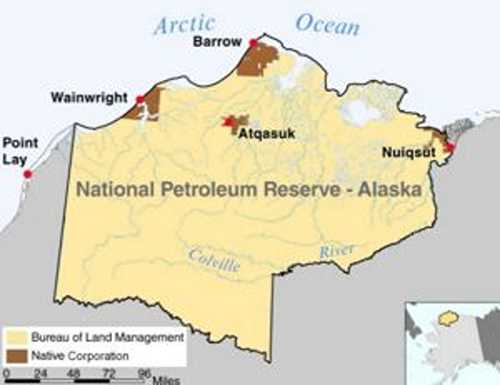
The contested area sits within the National Petroleum Reserve-Alaska and is considered key habitat for the Teshekpuk Caribou Herd; sources describe the buffer as covering roughly 1 million acres around Teshekpuk Lake. The case follows earlier litigation in which the Native Village of Nuiqsut and allied groups litigated BLM decisions through the federal courts, including an appeal recorded under docket No. 20-35224 and D.C. No. 3:19-cv-00056-SLG; that appellate record shows prior rounds of dispute over Willow and related environmental reviews.
For Nuiqsut residents, the lawsuit is a direct fight over access to and protection of subsistence resources central to daily life on the North Slope. Litigation in the District of Columbia will determine whether the community’s limited authority to prevent development around Teshekpuk Lake is restored. The public can expect filings from both Nuiqsut Trilateral Inc. and the Department of the Interior to set out competing legal rationales, and local leaders say they will press their claim that federal approval of Willow came with binding mitigation commitments that must be honored.
Know something we missed? Have a correction or additional information?
Submit a Tip