Nuiqsut Sues Trump Administration Over Teshekpuk Protections, Citing Subsistence Rights
Nuiqsut Trilateral Inc. sued in federal court on Jan. 28, challenging the Interior Department’s December cancellation of a 2024 right-of-way that protected Teshekpuk Lake and roughly 1 million acres.
Representatives of Nuiqsut filed suit on Jan. 28 in U.S. District Court in Washington, D.C., asking a federal judge to overturn the Interior Department’s December cancellation of a 2024 right-of-way agreement that covered Teshekpuk Lake and about 1 million surrounding acres. The plaintiffs are organized as Nuiqsut Trilateral Inc., a coalition of the city of Nuiqsut, the Nuiqsut tribal government, and Kuukpik Corporation.
The 2024 right-of-way agreement was signed by the Interior Department during the Biden administration and granted the Nuiqsut organizations limited authority over activities within the protected area, according to the complaint. The protected footprint centers on Teshekpuk Lake, described in the filing as the largest lake in the Arctic region and a diverse, sensitive wetland ecosystem used by the Teshekpuk Caribou Herd, vast numbers of migratory birds, and generations of subsistence harvesters.
In the cancellation notice attributed to Interior Department Deputy Secretary Katharine MacGregor, the department concluded the 2024 agreement violated the Naval Petroleum Reserves Production Act and characterized subsistence harvesting as a “non-use” of resources. The plaintiffs’ complaint disputes that legal framing and says the Department’s action undermines subsistence protections that the filing describes as having been “enshrined in law for half a century.”
The complaint frames subsistence as a living practice central to Iñupiat identity and survival, quoting the filing: “Native communities in northern Alaska have relied on subsistence uses of natural resources since their ancestors crossed the Bering Strait thousands of years ago.” The suit adds, “The Iñupiat people’s physical and cultural survival depends on the continued harvest of natural resources.” Those passages anchor the plaintiffs’ contention that the December cancellation conflicts with longstanding federal protections for subsistence use.
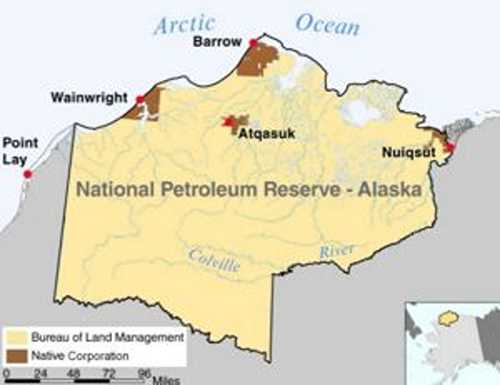
The Interior Department’s invocation of the Naval Petroleum Reserves Production Act in the cancellation notice signals a statutory clash with the 2024 agreement; the complaint asks the court to resolve whether the department lawfully revoked the right-of-way and its local authorities. The disputed area sits inside the National Petroleum Reserve in Alaska footprint, making the legal outcome consequential for land-use decisions tied to petroleum planning on the North Slope.
Public reaction in Anchorage and across Alaska was visible on social media: an Anchorage Daily News Facebook post about the lawsuit recorded 544 reactions, 55 comments and 114 shares, with commenters including Mıñty Dowñey writing, “Alright my fellow inupiaq Alaskan cousinsn ..its been fun,” Roxanne Rudeck saying, “Trump does like law suits! You’ve got to speak his language!,” and Clinton Hagan asking, “Can’t fund everything, what programs out of our tax dollars do you seem less important than protecting a caraboo herd, I’ll wait.”
The case remains pending in U.S. District Court in Washington, D.C.; the Jan. 28 filing formally puts the December cancellation and the future of the roughly 1 million-acre Teshekpuk protection area before a federal judge. Photographs used in coverage show members of the Teshekpuk Caribou Herd on June 27, 2014, credited to Bob Wick of the U.S. Bureau of Land Management.
Know something we missed? Have a correction or additional information?
Submit a Tip