Nuro wins California permit for driverless Lucid SUV testing with Uber plans ahead
Nuro’s California permit opens driverless testing of Lucid Gravity SUVs, but Uber’s robotaxi launch still faces two more approvals before riders can hail one.

Nuro has cleared a key California regulatory step for its Lucid Gravity SUVs, gaining permission to begin driverless testing on public roads without a human safety operator behind the wheel. The permit moves the company closer to Uber’s planned premium robotaxi service, but it does not authorize commercial rides or a public launch.
The California Department of Motor Vehicles modified Nuro’s driverless autonomous vehicle permit to include the Lucid vehicles, expanding an authorization that had long applied to a very different business. Nuro once held a driverless permit for six years, but that earlier approval covered a low-speed delivery vehicle program that the company later abandoned when it shifted from building its own vehicles to licensing autonomy software to partners, including Uber.
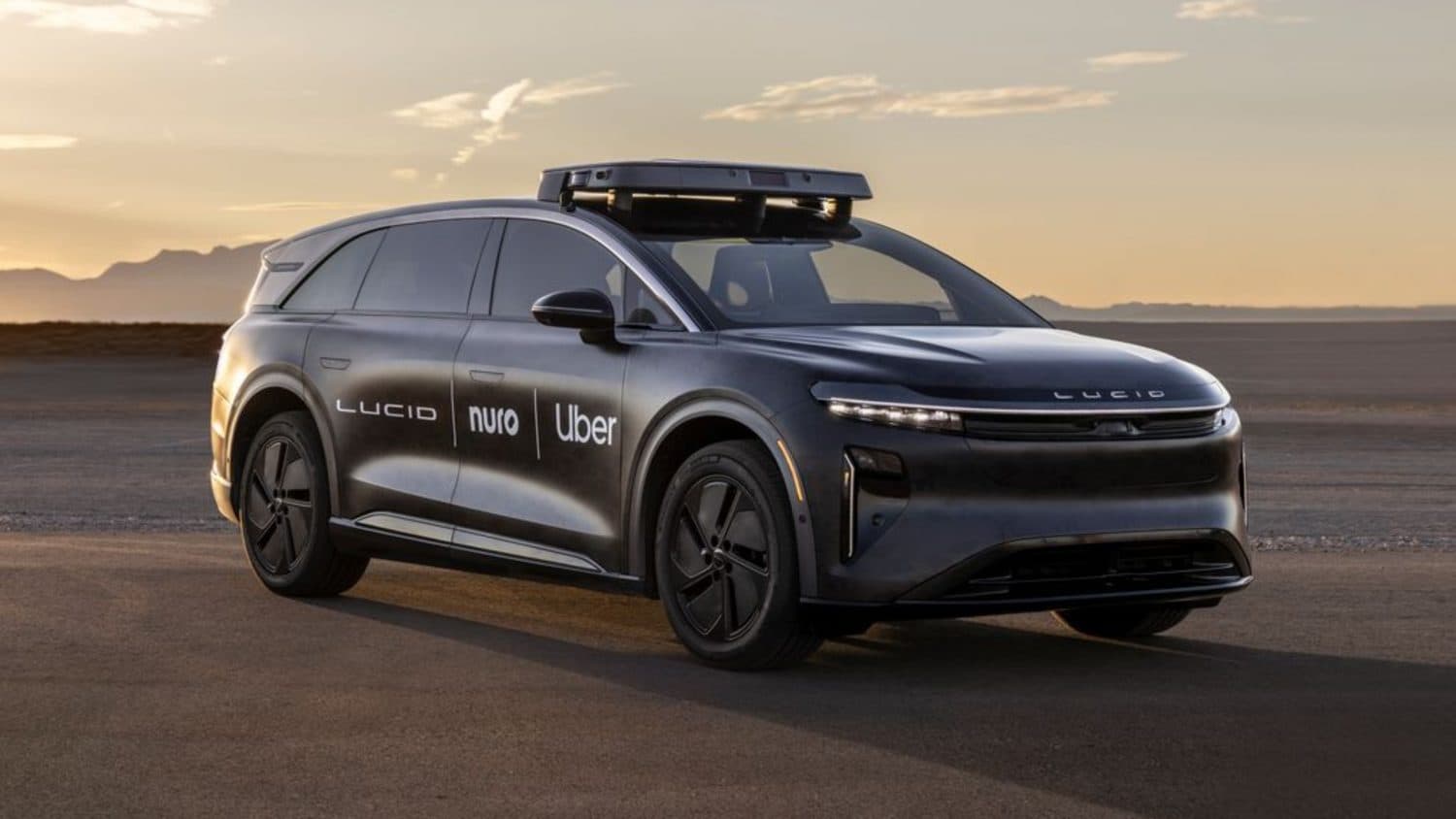
Even with the new permit in hand, Nuro is not ready to turn the Lucid SUVs loose on their own. Company spokesperson David Salguero said Nuro expects to start driverless testing later this year, but did not give a firm date. For now, the vehicles are still being tested in autonomous mode with a human safety operator in the driver’s seat, and last month Uber employees were allowed to request rides in the test fleet through the Uber app while that operator remained onboard.
The regulatory road ahead is still long. Nuro needs a driverless ride-hailing permit from the California Public Utilities Commission and a deployment permit from the DMV before Uber can begin a commercial service. That distinction matters: the latest permit is a testing milestone, not a green light for scale. California’s process is increasingly serving as the gatekeeper between polished robotaxi announcements and a service that can legally carry paying passengers.
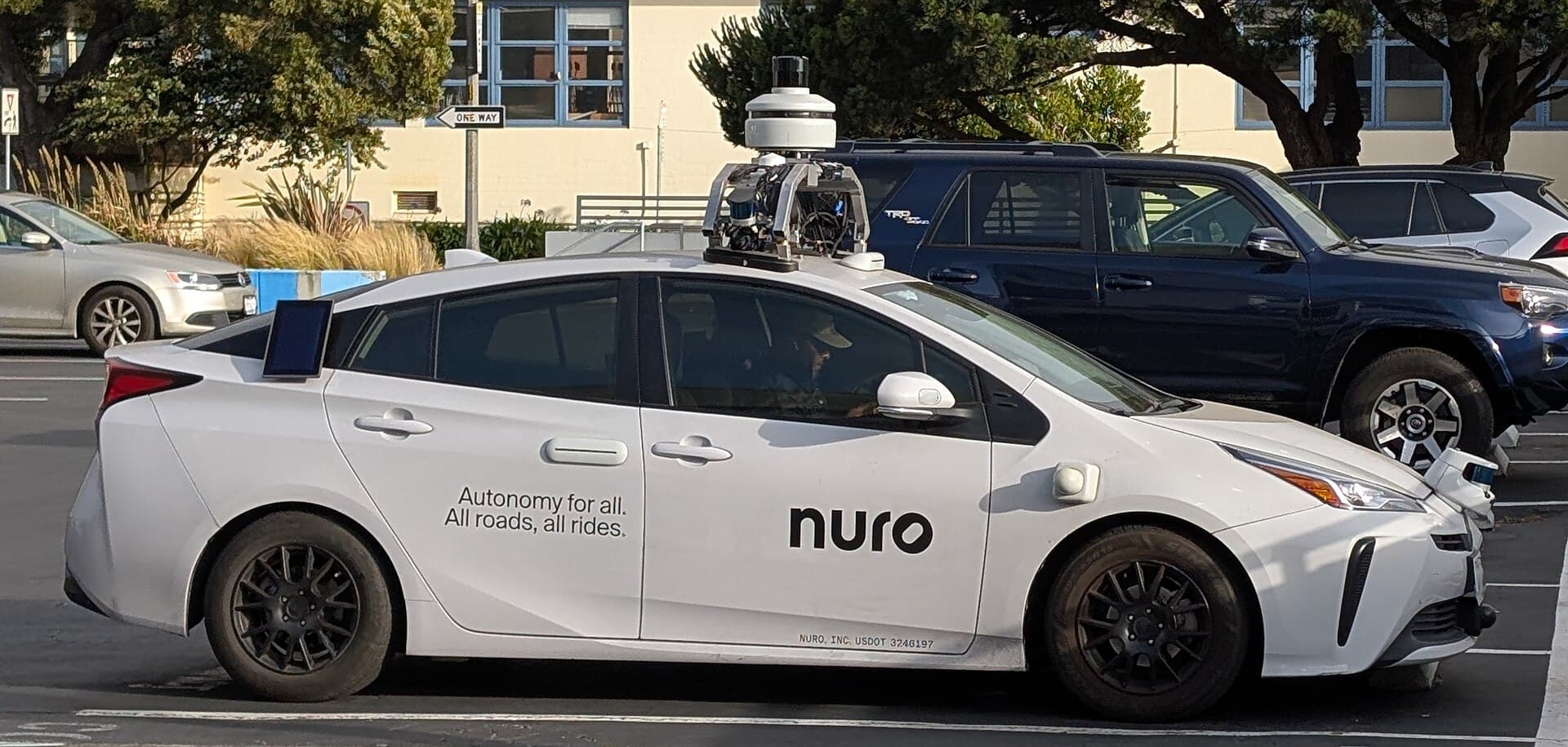
The money and scale behind the project have only grown more ambitious. When the three-way deal was announced in July 2025, Uber said it would invest $300 million in Lucid and buy 20,000 robotaxi-ready Gravity vehicles. That commitment has since expanded to $500 million and at least 35,000 robotaxis and related electric vehicles. The permit shows progress, but it also underscores how much remains unresolved before Uber’s robotaxi plans can move from test runs to routine service on California streets.
This article was produced by Prism’s automated news system from verified source data, official records, and press releases, then run through automated quality and moderation checks before publishing. The system is built and supervised by the people who set the standards it runs under. Read our full AI policy.
Did this article answer your question?