Nvidia Forces Full Upfront Payment for H200 Chip Orders in China
Nvidia has begun requiring Chinese customers to pay the full, non‑refundable price upfront for H200 artificial‑intelligence accelerator chips, eliminating cancellation or reconfiguration rights as Beijing weighs import approvals. The move reallocates regulatory and commercial risk onto buyers, raises questions about supply allocation and domestic industrial policy, and could reshape procurement strategies for major Chinese technology firms.
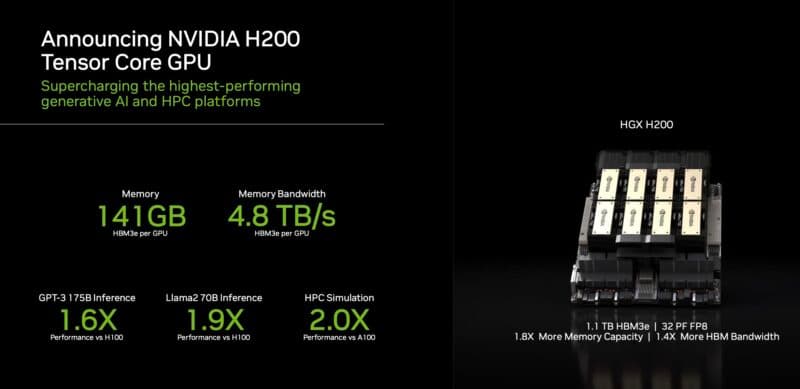
Nvidia is requiring Chinese buyers of its H200 AI accelerator chips to make full, non‑refundable payment at the time of order and is barring cancellations, refunds or post‑order configuration changes, according to company communications and discussions with customers. The policy replaces earlier practices that sometimes allowed deposits in lieu of immediate full payment and permits substitution of commercial insurance or asset collateral only in special circumstances.
The change is being presented internally and to customers as a hedge against ongoing uncertainty over whether Chinese authorities will permit H200 imports. Company inventory and order figures cited in market accounts underscore the tensions: Chinese buyers have reportedly placed orders exceeding 2 million H200 units while available Nvidia inventory of H200 chips is said to be about 700,000 units. Market reporting has put the H200 price at roughly $27,000 per unit.
Nvidia Chief Executive Jensen Huang acknowledged strong demand for the product while speaking to reporters, describing customer appetite as "quite high" and saying the company had "fired up our supply chain" to increase output. On the approval process he observed, "if the purchase orders come, it's because they're able to place purchase orders."
The immediate commercial effect is to shift risk from Nvidia onto its Chinese customers. Under the new terms, firms that place large, expensive orders face the potential for non‑delivery if regulatory approval is delayed or denied, yet they will have limited recourse to cancel or recover funds. Some Chinese technology companies that have been reported to plan significant purchases must now weigh financial exposure against the strategic imperative to secure advanced AI compute.
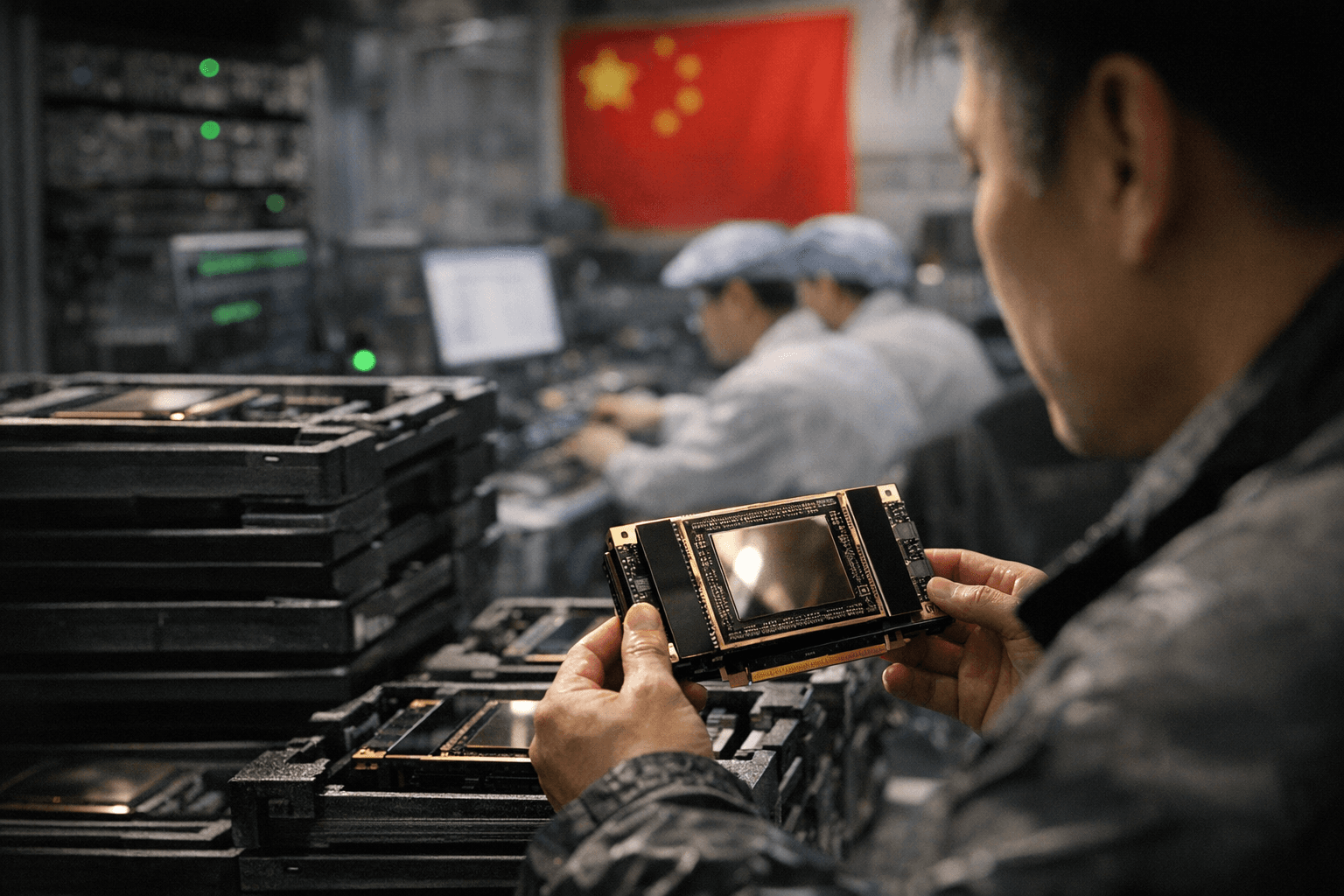
Regulatory uncertainty in Beijing remains the central driver. Chinese officials are described as still deciding whether to green‑light H200 shipments and whether to attach conditions to approvals. Some industry accounts have said regulators have met with domestic firms to consider measures such as requiring a minimum ratio of domestically produced chips to accompany any Nvidia purchases; those propositions have been reported on the basis of unnamed sources and industry commentary.
The policy also interacts with broader export‑control and supply‑chain dynamics. Market summaries note that prior U.S. export restrictions impeded certain Nvidia deliveries to China and that the company took a significant inventory charge last year. Nvidia is reported to have sought additional production capacity from Taiwan Semiconductor Manufacturing Co., which market commentary says plans to scale H200 output in 2026.
For Chinese buyers and global suppliers alike, the new terms underscore the strategic and operational complexities of sourcing cutting‑edge AI hardware amid competing regulatory regimes. Key outstanding facts remain: whether the upfront‑payment policy applies universally or to selected customers; the precise contract language and any standardized alternatives to cash payment; current confirmed order and inventory levels; and whether Chinese regulators will issue formal guidance or conditions on H200 imports. Those answers will determine whether the policy is a temporary risk allocation measure or the start of a longer‑term commercial realignment between U.S. suppliers and Chinese AI customers.
This article was produced by Prism’s automated news system from verified source data, official records, and press releases, then run through automated quality and moderation checks before publishing. The system is built and supervised by the people who set the standards it runs under. Read our full AI policy.
Did this article answer your question?