Nvidia plans up to $3 billion investment in Lancium AI buildout
Nvidia’s planned $3 billion Lancium stake puts the AI race on the electrical grid, not just in chip fabs. Texas stands to gain as utilities face more strain.
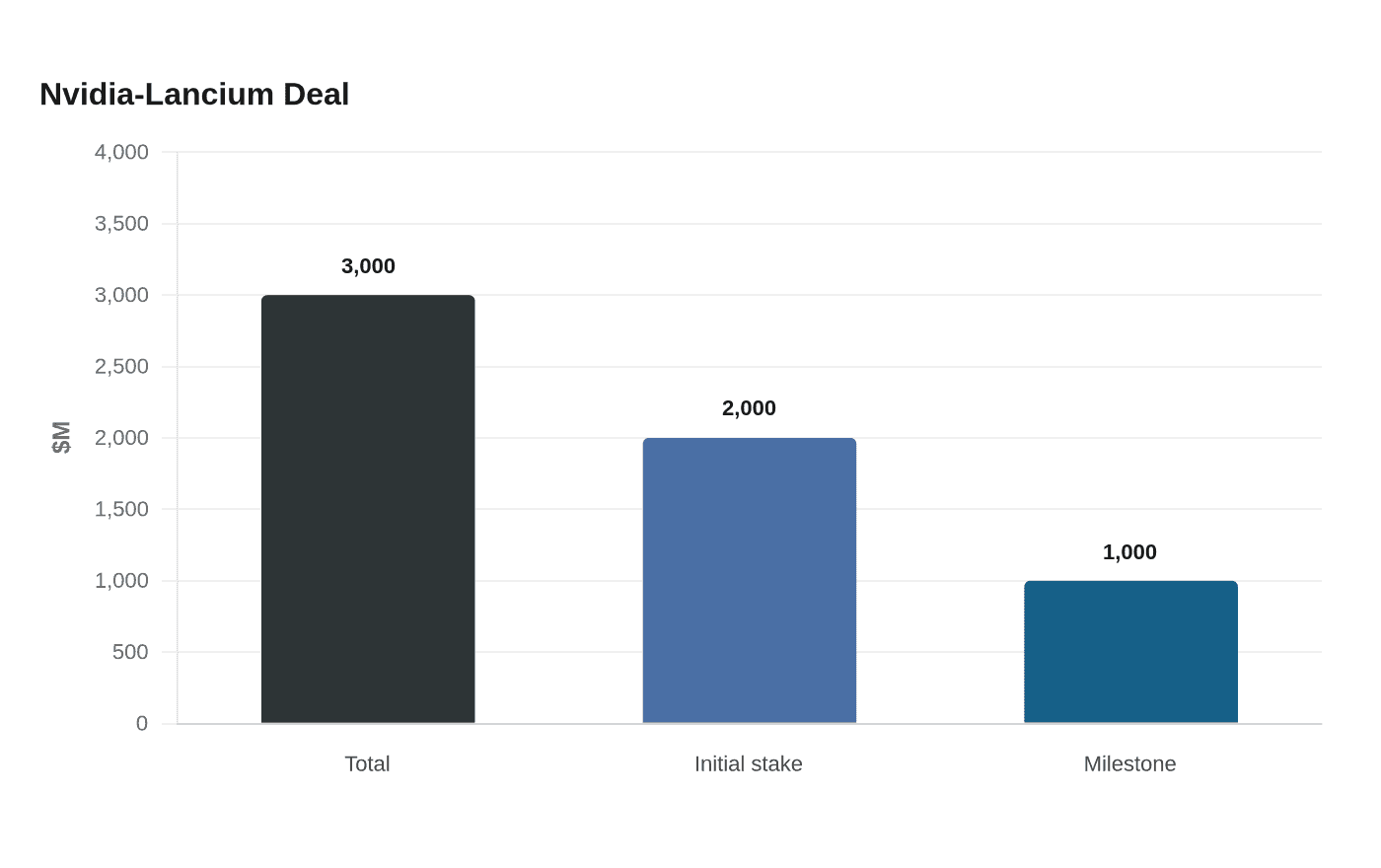
Nvidia plans to invest up to $3 billion in Lancium, a power and data-center developer tied to the Stargate buildout, in a move that would pull the chipmaker deeper into the electricity and land business behind AI.
The deal would start with about $2 billion for roughly a 20% stake, with another $1 billion linked to milestones, according to the terms described in the underlying report. If completed, it would mark one of the clearest signs yet that the AI boom is no longer only a contest over GPUs and software models. It is also a race to secure land, transmission capacity, cooling systems and fast-moving permitting for sprawling compute campuses.
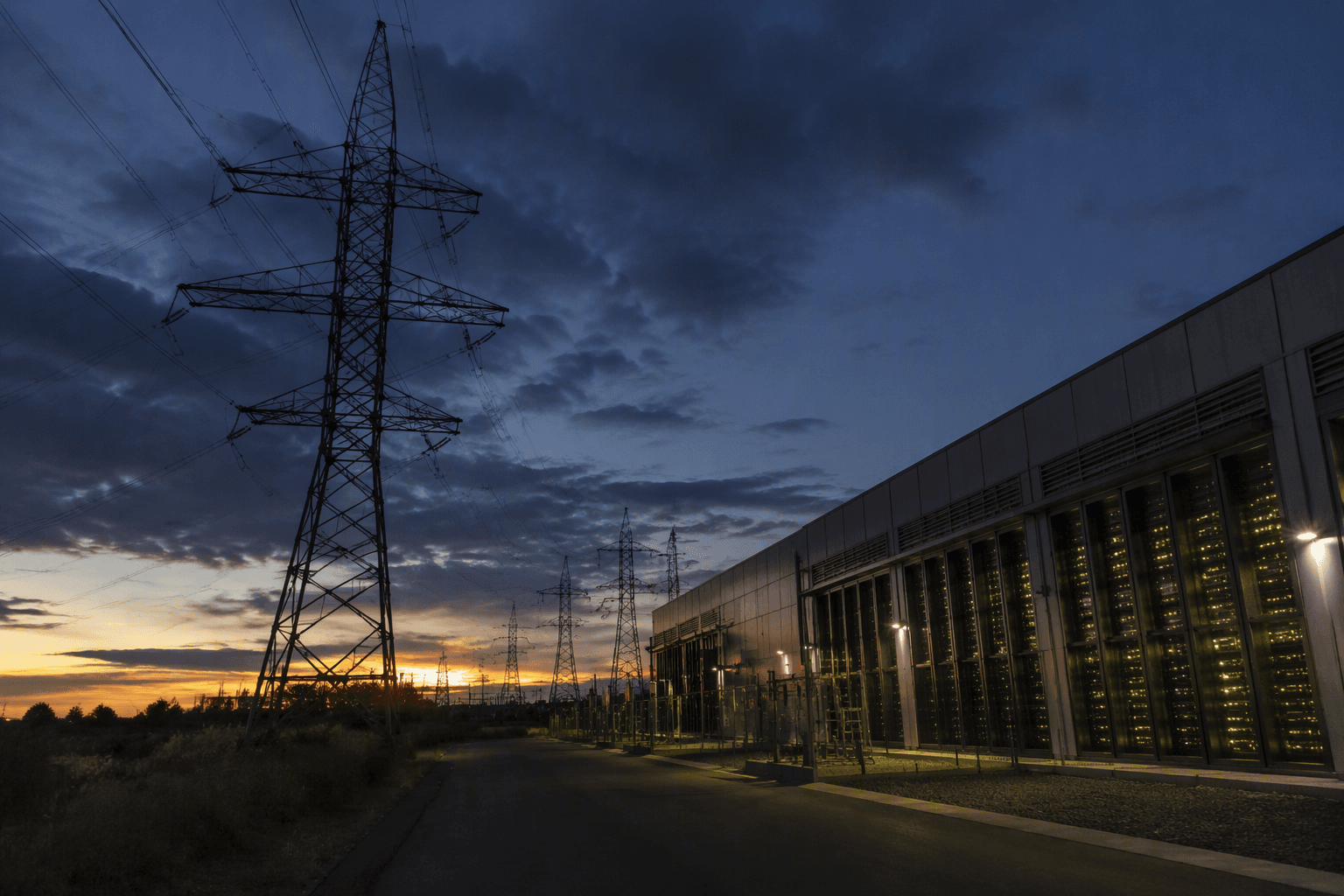
Lancium has built its business around exactly that bottleneck. The company describes itself as an energy technology and infrastructure developer focused on gigawatt-scale AI data centers, and says its campuses are grid-connected, fully approved and designed to support hyperscale operators without threatening grid reliability. Its Texas footprint has made it a key name in the state’s scramble to attract the physical backbone of artificial intelligence.
The Stargate project has become the label for that push. OpenAI announced Stargate on Jan. 21, 2025, saying it intended to invest $500 billion over four years and begin with $100 billion immediately. OpenAI later said on July 22, 2025, that Oracle and OpenAI had agreed to develop 4.5 gigawatts of additional Stargate data-center capacity in the U.S. On April 29, 2026, OpenAI said Stargate was a long-term effort to build the compute foundation for AGI and expand capacity with partners and communities. SoftBank later said on May 22, 2025, that Stargate UAE had launched with G42, OpenAI, Nvidia, Oracle, Cisco and other partners.
Nvidia’s stake would align the dominant AI chip supplier more directly with the infrastructure that consumes those chips. That creates a powerful incentive loop: more data centers mean more demand for Nvidia systems, while an equity position in the facilities could help secure deployment sites for its hardware. It also deepens exposure to the risks that come with giant campuses, including higher electricity demand, pressure on local grids, water use concerns and fights over tax incentives.
Texas has become the clearest testing ground. On July 13, 2026, QTS Data Centers and Lancium announced a campus in Hall County expected to bring more than $10 billion in capital investment. Two days later, Crusoe and Lancium announced a 1.0 gigawatt AI data center campus in Childress on 270 acres, with solar power and water-efficient cooling and construction slated to begin in the third quarter of 2026. Earlier reporting also said Blackstone had invested $500 million in Lancium, and that Blackstone-backed QTS was planning an 11-building data-center campus in the Texas Panhandle.
The result is a buildout that could widen the gap between regions with cheap land, available power and friendly permitting, and regions where utilities are already stretched. As investors keep betting on AI, the limiting factor is shifting from chip supply to the grid itself.
This article was produced by Prism’s automated news system from verified source data, official records, and press releases, then run through automated quality and moderation checks before publishing. The system is built and supervised by the people who set the standards it runs under. Read our full AI policy.
Did this article answer your question?