Nvidia-powered Windows PCs set to debut next week, Axios reports
A synchronized teaser points to Nvidia’s biggest push yet into Windows PCs, with new Surface machines and Dell laptops expected at Computex in Taipei.
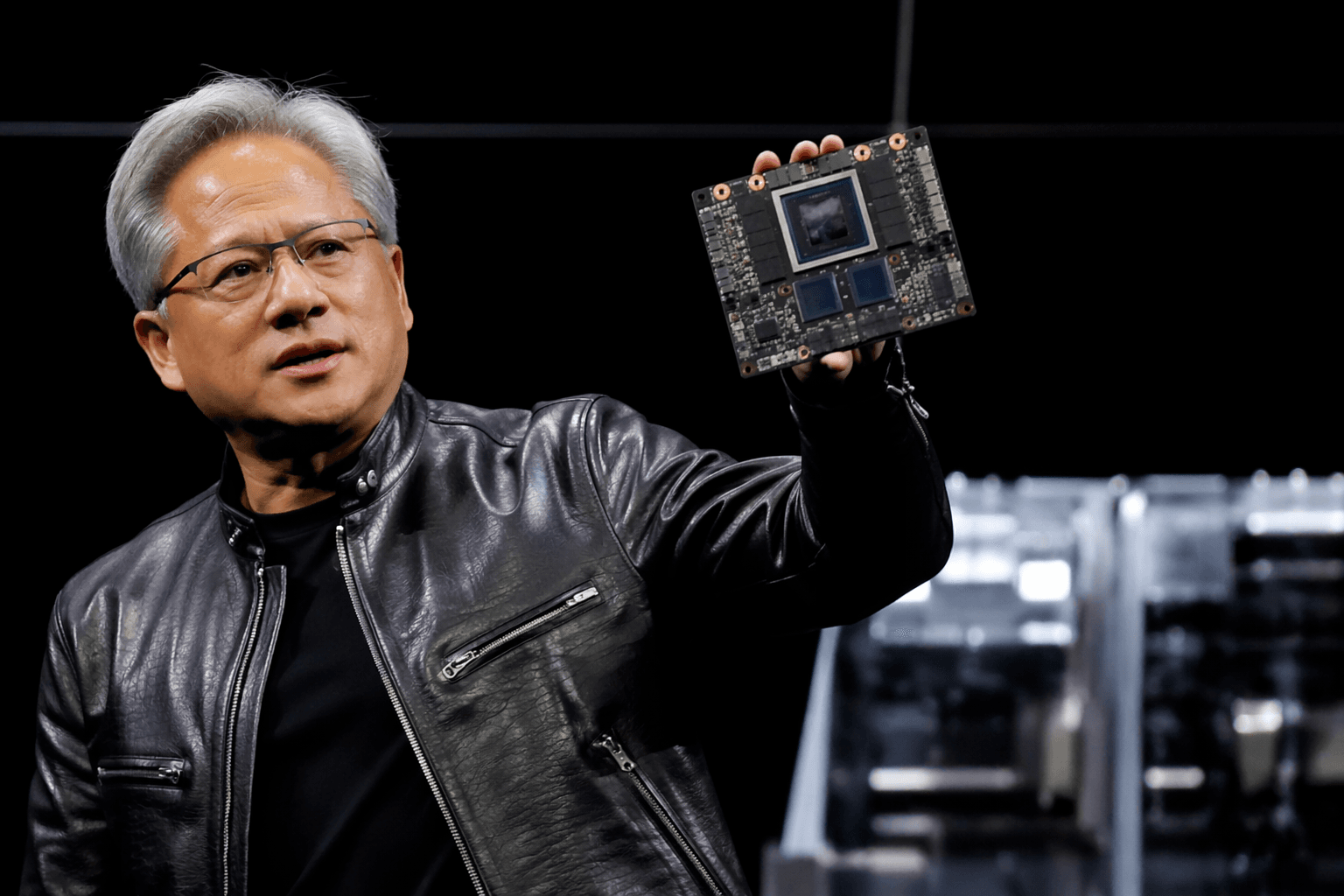
Nvidia, Microsoft and Arm set off a coordinated tease on May 29 that pointed straight to Taipei, where Computex 2026 runs June 2-5 and Jensen Huang is scheduled to take the stage at NVIDIA GTC Taipei on June 1 at 11 a.m. Taiwan time. If the expected launch lands next week, it would mark the first Windows PCs to use Nvidia chips as the main processor, with Microsoft’s Surface line and other makers including Dell among the expected hardware partners.
The timing matters because Microsoft has already spent two years trying to sell the PC market on a new AI category. When it introduced Copilot+ PCs on May 20, 2024, the company said the first models would use Qualcomm’s Snapdragon X Elite and X Plus processors, include 40-plus TOPS neural processing units, and bring features such as Recall, Cocreator and Live Captions, alongside all-day battery life. Nvidia’s entrance would push that campaign into a new competitive phase, with a chipmaker known for graphics and AI acceleration now moving closer to the center of Windows hardware.
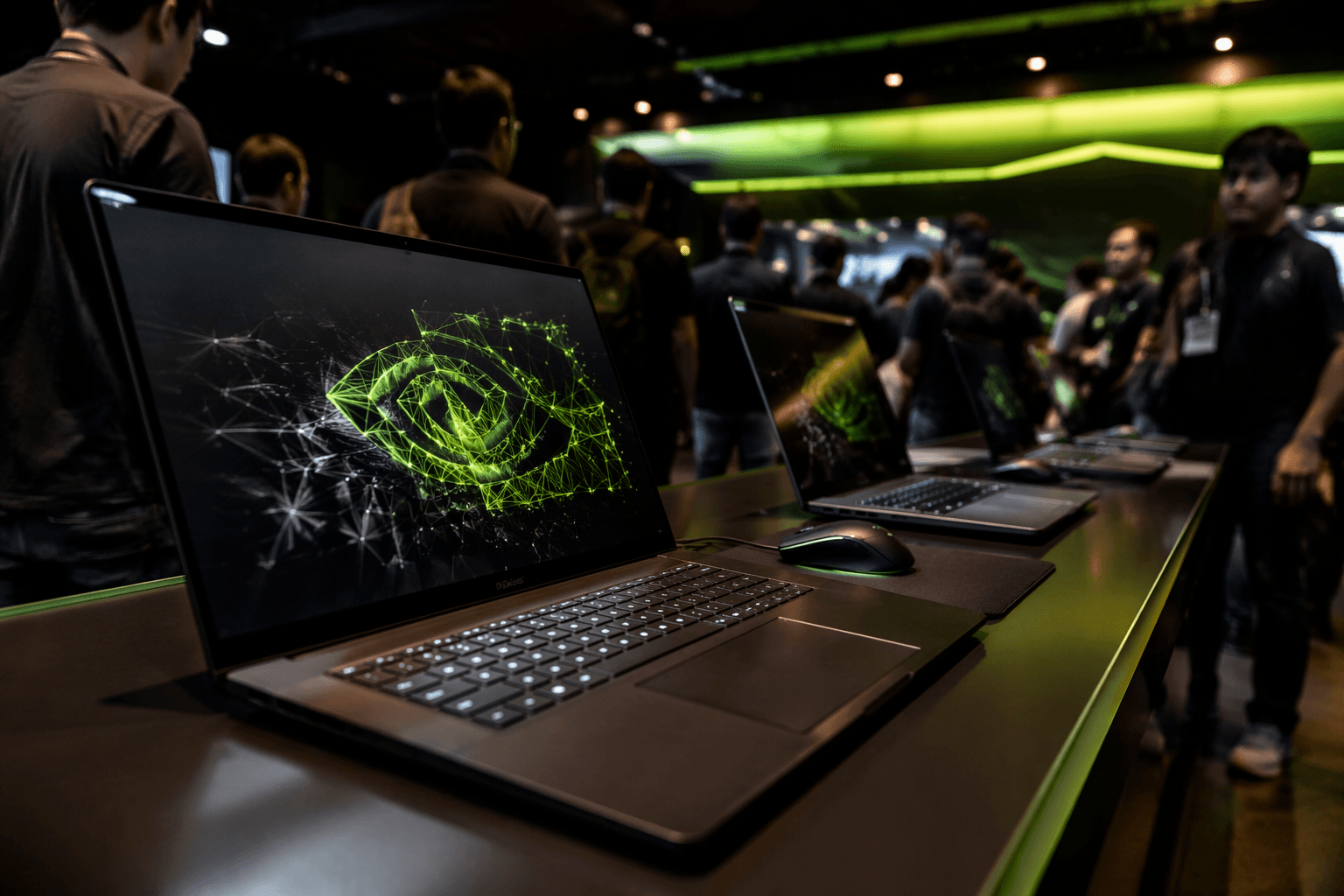
For consumers, the appeal is straightforward: better battery life, stronger on-device AI and more muscle for graphics-heavy workloads in a thinner laptop. For developers, an Nvidia-based Windows machine could offer a more obvious target for local AI inference, especially as Nvidia has been highlighting PCs that run AI agents locally and systems such as DGX Spark for larger models that stay on the device instead of the cloud. That is the kind of pitch that could make an AI PC feel less like a feature checkbox and more like a platform shift.
The bigger question is whether this becomes a broad market reset or another premium niche. Microsoft’s earlier push toward battery-life-friendly chips has yet to produce a major sales boom, and Windows on Arm still has to prove that software compatibility, pricing and performance can line up at scale. If Nvidia can combine its graphics brand with Arm-based efficiency, it could redraw the post-Intel Windows PC map. If it cannot, the industry may be left with another flashy Computex debut and a market that still belongs to the familiar names.
This article was produced by Prism’s automated news system from verified source data, official records, and press releases, then run through automated quality and moderation checks before publishing. The system is built and supervised by the people who set the standards it runs under. Read our full AI policy.
Did this article answer your question?


