Nvidia's Huang skips Warren's Senate AI hearing on China concerns
Jensen Huang turned down Elizabeth Warren’s invitation to a Senate hearing on China, leaving Nvidia’s export-control fight to unfold without its CEO in the room.
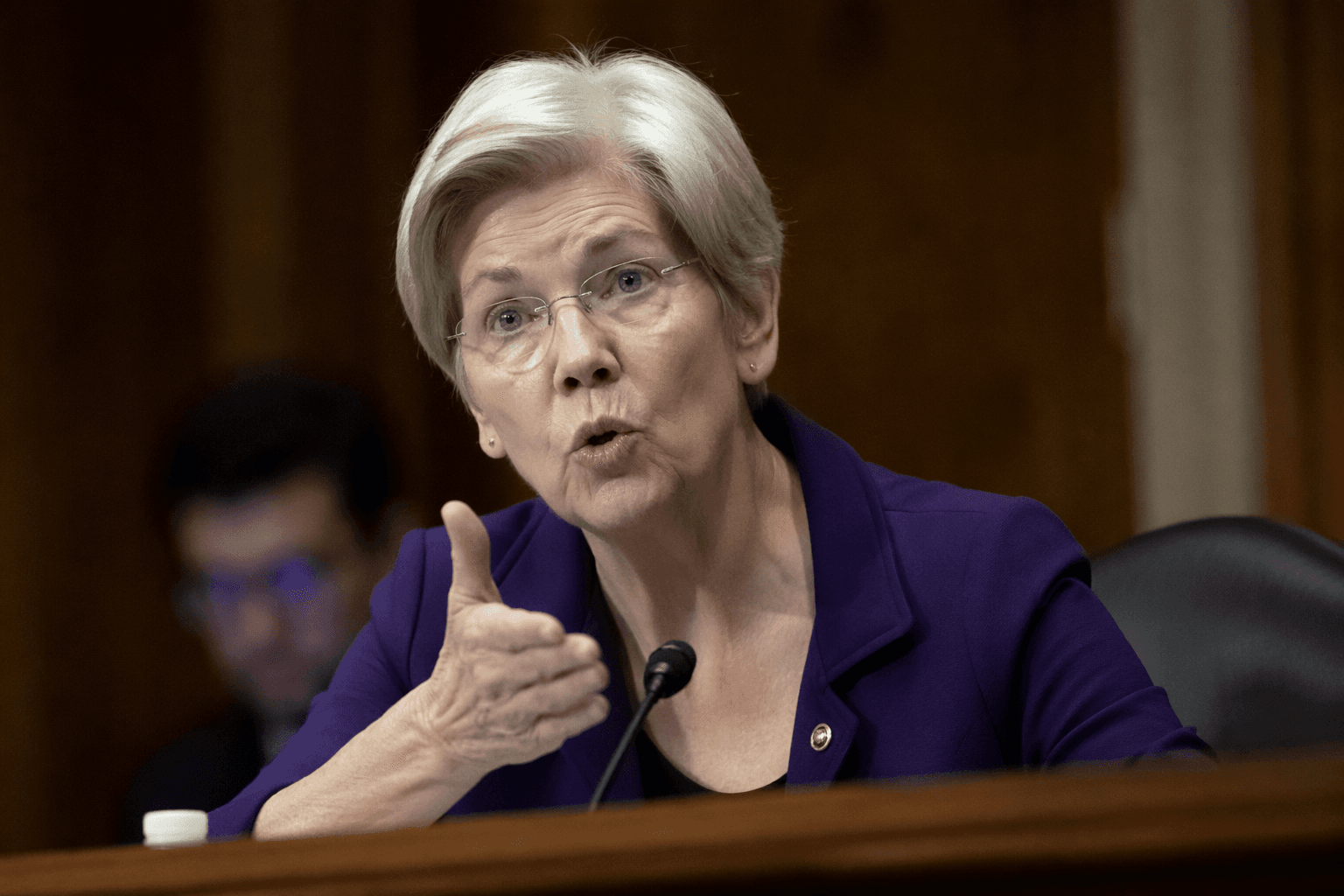
Jensen Huang’s refusal to appear before senators laid bare how central Nvidia has become to the fight over China, advanced AI chips and Washington’s power to choke off access to them. The company’s chief executive declined Elizabeth Warren’s invitation to testify at a June 11 Senate Banking, Housing, and Urban Affairs Committee hearing, offering instead to host lawmakers at Nvidia’s headquarters in Santa Clara, California, or meet in another forum.
Warren wanted Huang to answer in public about Nvidia’s views on U.S. export control laws and regulations and the company’s business in China. On June 8, she said the American people deserve answers in a public forum. Her warning was aimed not just at Nvidia’s sales strategy, but at a broader question facing Washington: how far the United States should go in restricting the flow of its most advanced chips to Chinese buyers and Chinese-linked entities.
The hearing, titled “AI and the American Dream: Promoting Innovation, Affordability, and American Dominance,” is scheduled for June 11 at 10 a.m. in the Dirksen Senate Office Building. Huang is not on the committee’s published witness list. Instead, the panel is set to hear from Mike Flynn of the Information Technology Industry Council, David Feith of the Hudson Institute and Will Rinehart of the American Enterprise Institute.
Huang’s absence matters because Nvidia sits at the center of the AI supply chain, supplying chips that power many of the most advanced systems driving the market’s artificial intelligence boom. It also matters because Nvidia has already absorbed real costs from Washington’s tightening rules. Reuters reported that U.S. restrictions forced the company to leave about $2.5 billion in H20 revenue on the table in one recent quarter and triggered a $4.5 billion inventory-related charge. Huang also said Nvidia would no longer include China in its revenue and profit forecasts because of the export controls.
The pressure is not only political, but operational. On May 31, Reuters reported that the Commerce Department moved to close a loophole that could have allowed advanced Nvidia chips, including Blackwell processors, to reach subsidiaries of Chinese companies outside China. That move sharpened the stakes for a company incorporated in California in April 1993 and reincorporated in Delaware in April 1998, with its principal executive offices still in Santa Clara.

For Nvidia, skipping the hearing avoided an immediate public grilling. For lawmakers, it left the most consequential witness out of the room as they weigh how to balance innovation, affordability and American dominance against the risks of letting frontier AI hardware flow into sensitive markets.
This article was produced by Prism’s automated news system from verified source data, official records, and press releases, then run through automated quality and moderation checks before publishing. The system is built and supervised by the people who set the standards it runs under. Read our full AI policy.
Know something we missed? Have a correction or additional information?
Submit a Tip