NYC Building Workers Set Strike Vote Amid Contract Dispute With Landlords
Doormen, porters and supers at 3,500 NYC buildings could walk off April 21 as 32BJ SEIU set an April 15 strike vote, threatening services for 600,000 households.
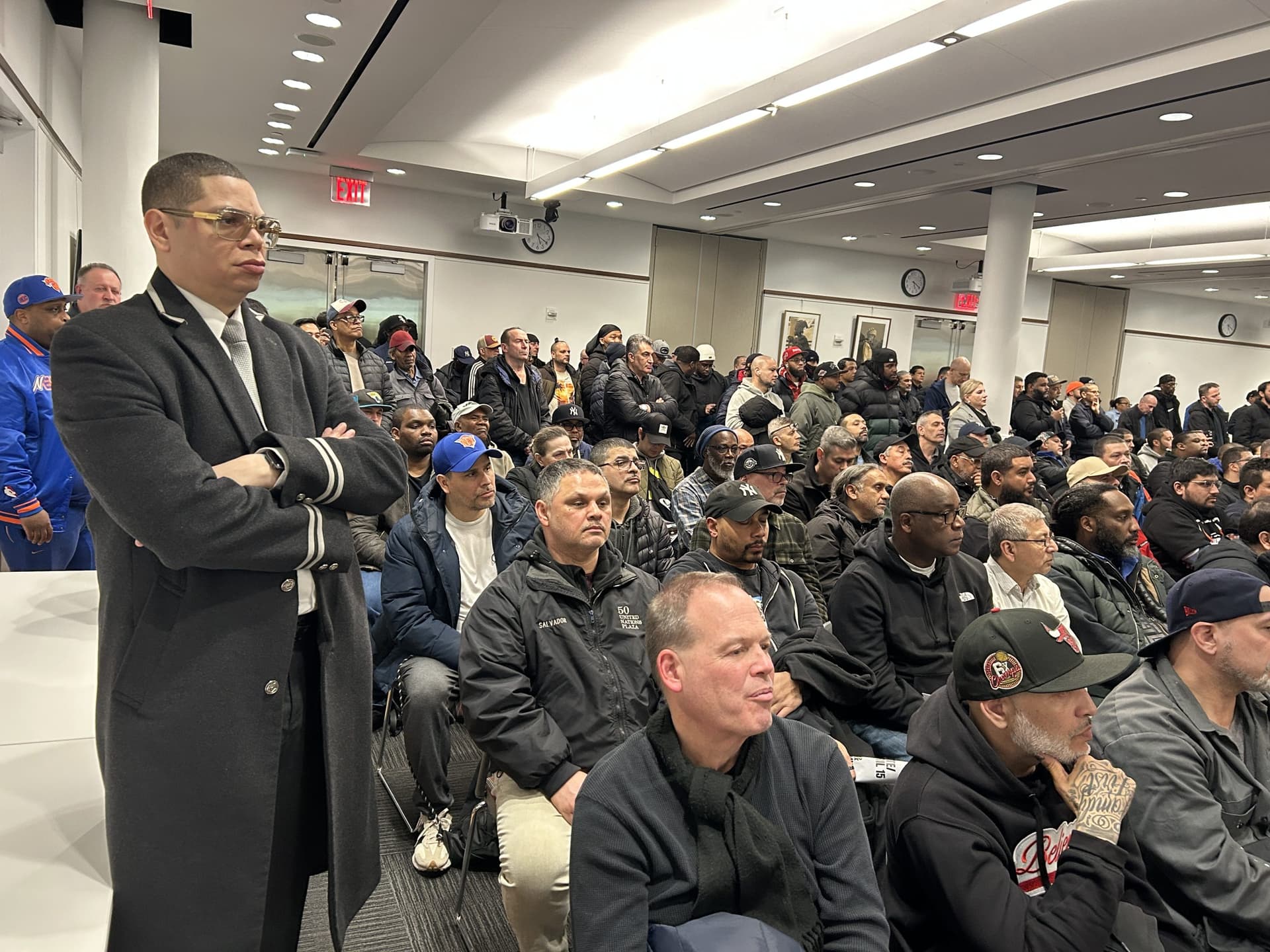
The porters who haul trash, the doormen who screen visitors, the superintendents who fix broken boilers in the middle of the night: all 34,000 of them could be on a picket line by April 21. That's the timeline 32BJ SEIU put on the table after calling the Realty Advisory Board on Labor Relations' latest contract offer "insulting" and scheduling a formal strike authorization vote for April 15 on Park Avenue in Manhattan.
The expiring four-year master contract covers workers across roughly 3,500 co-ops, condos and apartment buildings in Manhattan, Brooklyn, Queens and Staten Island, collectively serving more than 600,000 households. The agreement between 32BJ and the RAB, which negotiates on behalf of residential property owners and operators, expires April 20. If the vote authorizes a strike and no deal is reached, union leadership warned a walkout could begin the next morning.
Union President Manny Pastreich tied the dispute directly to four years of punishing inflation. "Our members are struggling to pay rent to live in the city, to pay for the groceries; we see the cost of transportation going up every single day," he said. "The people who moved out of New York City are working people who just are struggling to get by."
The core sticking points are wages, health-care cost sharing, and a RAB proposal to introduce a "Tier II" workforce classification that would place future hires on lower pay with reduced benefits. The union also objected to a RAB push to expand the use of temporary staff. Pastreich called the contract issues "strike issues," even as he acknowledged the weight of that outcome: "I think every union member is hesitant about the possibility of a strike. It's a serious thing."
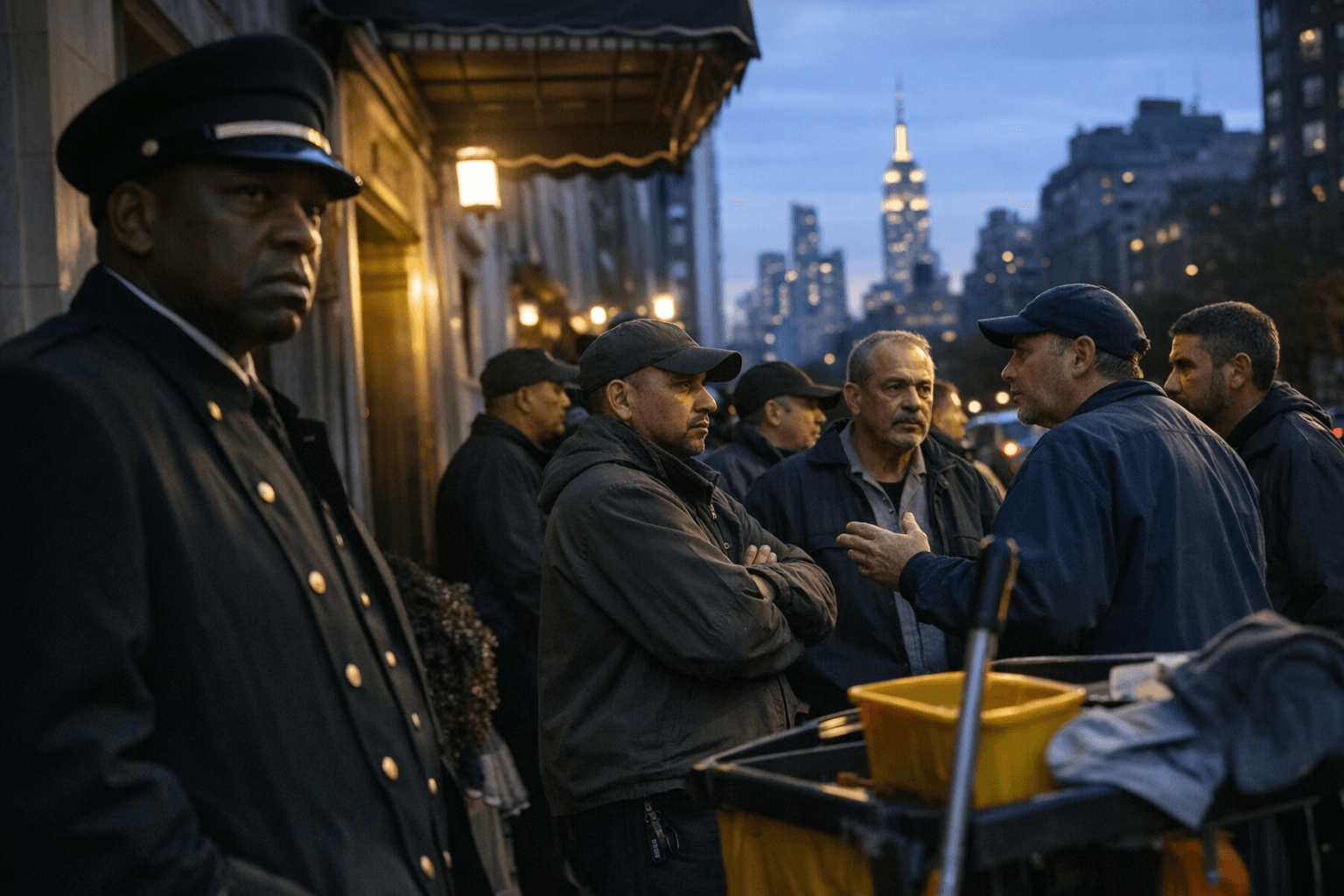
Howard Rothschild, president and CEO of the RAB, struck a measured tone, saying the organization is "preparing for that possibility" while signaling continued willingness to negotiate. Building owners have argued that rent stabilization regulations and broader regulatory costs limit their flexibility.
Residents at multiple buildings have already received notices detailing what a strike would mean for daily life: badge-based entry controls replacing doorman screening, a halt to non-emergency renovation work, and a suspension of move-ins and move-outs. The authorization vote itself followed an earlier delegate vote by more than 2,000 union members, with organizers having trained more than 1,400 strike captains to manage a potential work stoppage.
A strike of this scale would rank among the largest residential labor actions New York has seen in decades. Both sides said bargaining would continue through the vote and up to the April 20 deadline, leaving little margin for the negotiations that 600,000 households are now watching closely.
This article was produced by Prism’s automated news system from verified source data, official records, and press releases, then run through automated quality and moderation checks before publishing. The system is built and supervised by the people who set the standards it runs under. Read our full AI policy.
Did this article answer your question?