NYC travel ban as storm cancels more than 10,000 flights
FlightAware tallied over 10,000 cancellations through Tuesday; more than 40 million people face blizzard warnings across a 700-mile stretch of the East Coast.

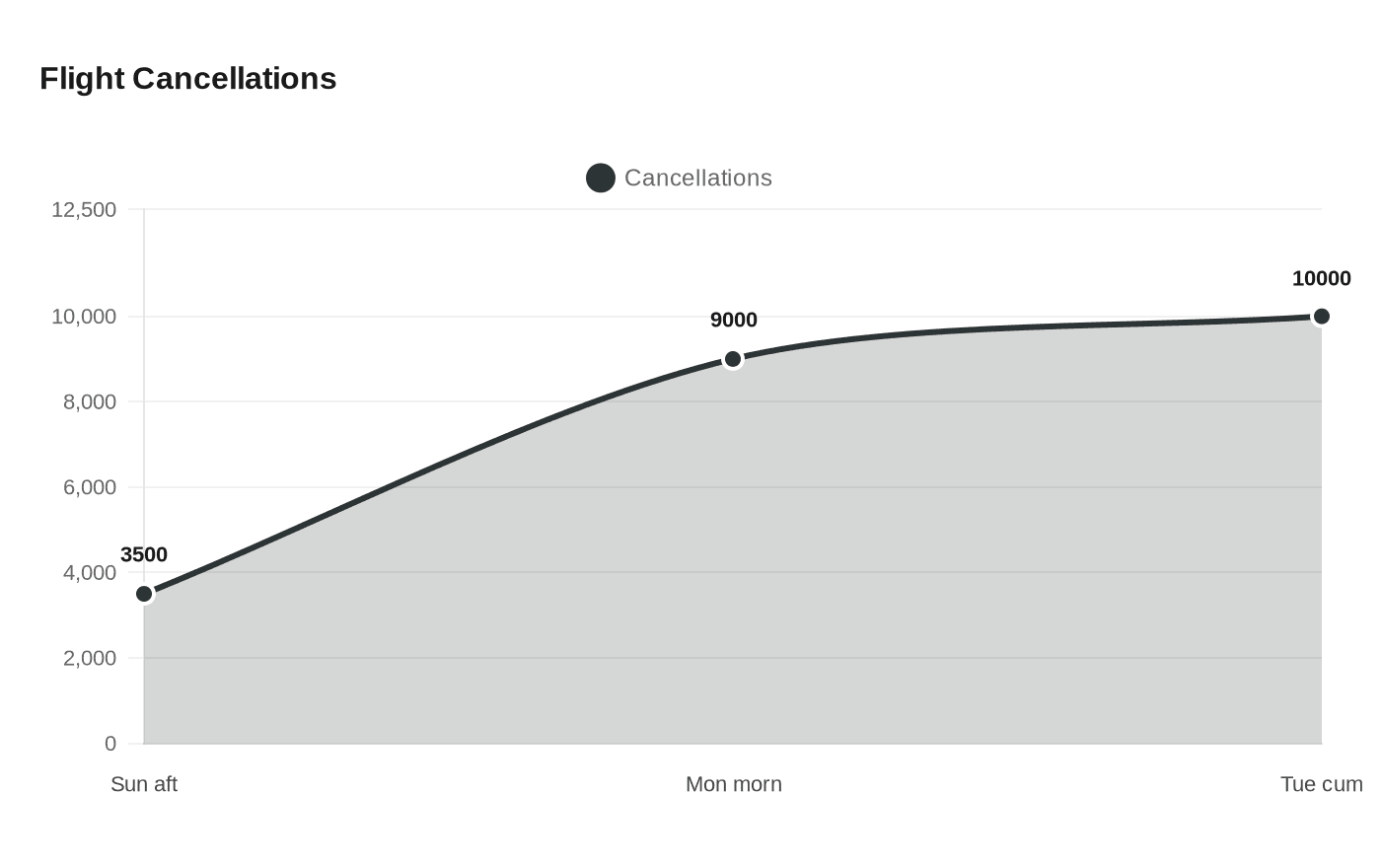
New York City declared a state of emergency and ordered a travel ban that closed streets, bridges and highways to nonessential traffic from 9 p.m. Sunday until noon Monday, and FlightAware reported nearly 9,000 flight cancellations by Monday morning and more than 10,000 through Tuesday as a massive winter storm produced blizzard conditions along about 700 miles of coastline from Maryland to Maine.
The storm placed more than 40 million people under blizzard warnings and turned routine travel into a widespread public safety crisis. The National Weather Service warned that travel conditions were “nearly impossible,” and its New York office posted: “Here's a look outside our office in Upton, NY as a heavy snow band passes. Expect whiteout conditions in heavy blowing snow. Travel bans remain in effect for parts of the area with significant disruptions to emergency services and transportation.”
Air service was effectively suspended in much of the storm's corridor. Flight cancellations and thousands of delays were concentrated at major hubs from Philadelphia north to Boston, with heavy disruption at New York area airports and notable impacts at Baltimore and Ronald Reagan Washington National. Airlines began preemptive cancelations on Saturday; FlightAware's snapshots show more than 3,500 canceled flights by Sunday afternoon, about 9,000 by Monday morning and a cumulative tally exceeding 10,000 through Tuesday as carriers sought to protect crews and reduce stranding.
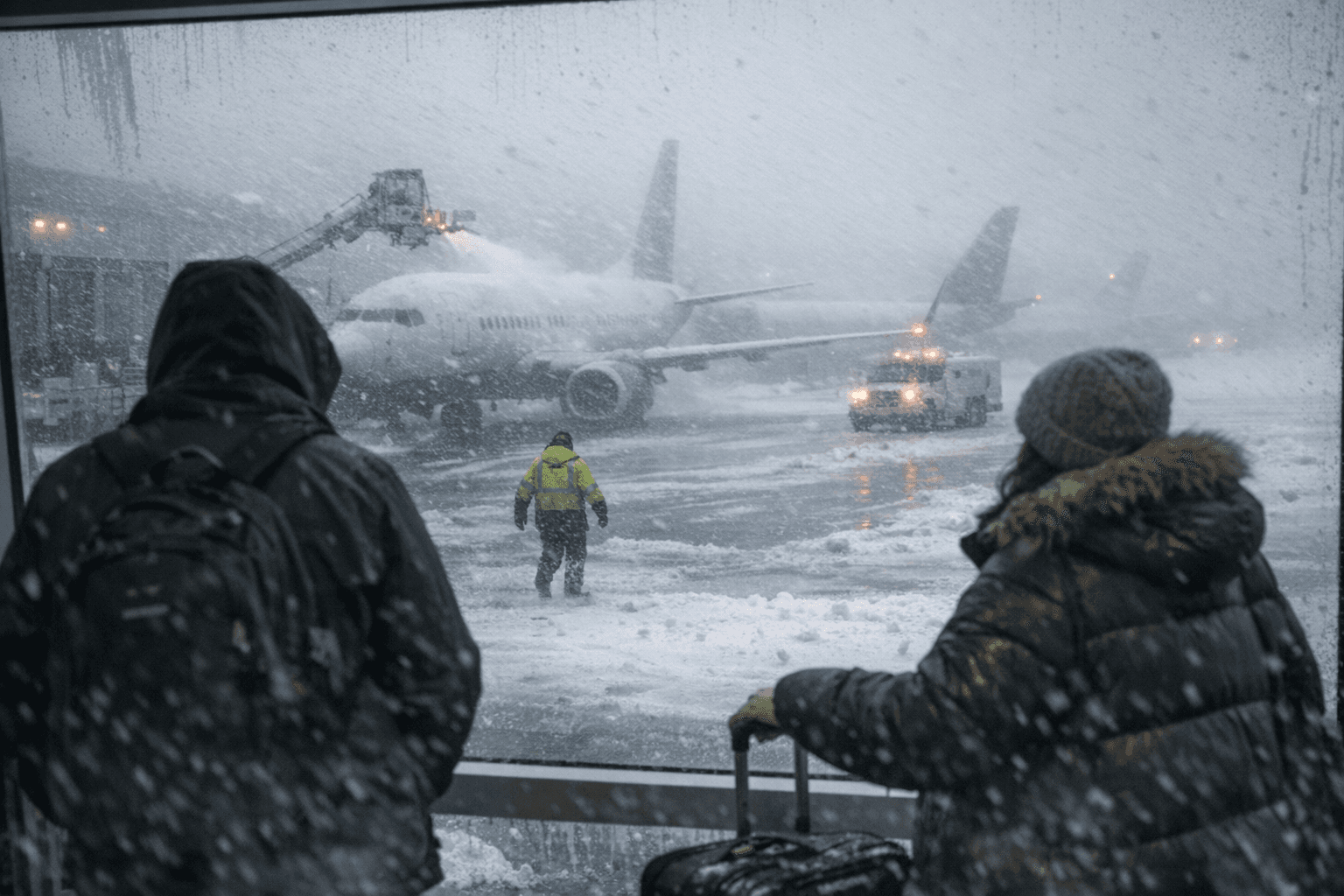
Beyond airports, the storm damaged infrastructure and strained emergency response. PowerOutage.com showed more than 450,000 customers without electricity as of 6 a.m. ET Monday, including more than 122,000 in New Jersey; a separate early-Monday snapshot using poweroutage.us reported more than 400,000 outages, many in Massachusetts and New Jersey. Strong winds and coastal flooding paired with heavy snow, forecasters called for widespread totals of 1 to 2 feet in many areas, with pockets of 14 to 25 inches possible, raising the risk of prolonged outages for hospitals, nursing homes and low-income neighborhoods that already face brittle utility service.
Mayor Zohran Mamdani framed the city shutdown as necessary to protect emergency access, saying, “The state of emergency closes the streets, highways, and bridges of New York City for all traffic.” The city canceled public schools, its first traditional snow day since 2019, and mobilized outreach teams to bring people experiencing homelessness into shelters and warming centers. Governor Kathy Hochul warned the storm “was expected to make history as one of the top 10 worst winter storms in the last 150 years” and activated statewide emergency resources, including National Guard support.
Service interruptions cascaded through the economy. Restaurant delivery platforms paused operations in New York City, Broadway shows were canceled and municipalities recruited extra crews and volunteers to clear sidewalks and maintain transit access. City officials cautioned that travel bans and whiteout conditions would complicate access to routine medical care, prescription refills and dialysis, and they urged residents to check on elderly neighbors and those reliant on electric medical equipment.
Public health officials and community advocates pointed to deeper equity concerns: neighborhoods with aging infrastructure, limited access to reliable heat and fewer private vehicles face disproportionate harms when storms shut roads and utilities falter. With emergency services reporting delays and transportation largely halted across the corridor, officials urged residents to stay home, preserve phone battery life, and use warming centers if power or heat fail.
Officials said service restoration and damage assessments would continue after the storm abated, and FlightAware and outage trackers will remain primary tools for monitoring returning travel and power. For now, the focus for health and city systems is on keeping vulnerable residents safe while crews work to reopen the region’s arteries.
This article was produced by Prism’s automated news system from verified source data, official records, and press releases, then run through automated quality and moderation checks before publishing. The system is built and supervised by the people who set the standards it runs under. Read our full AI policy.
Did this article answer your question?