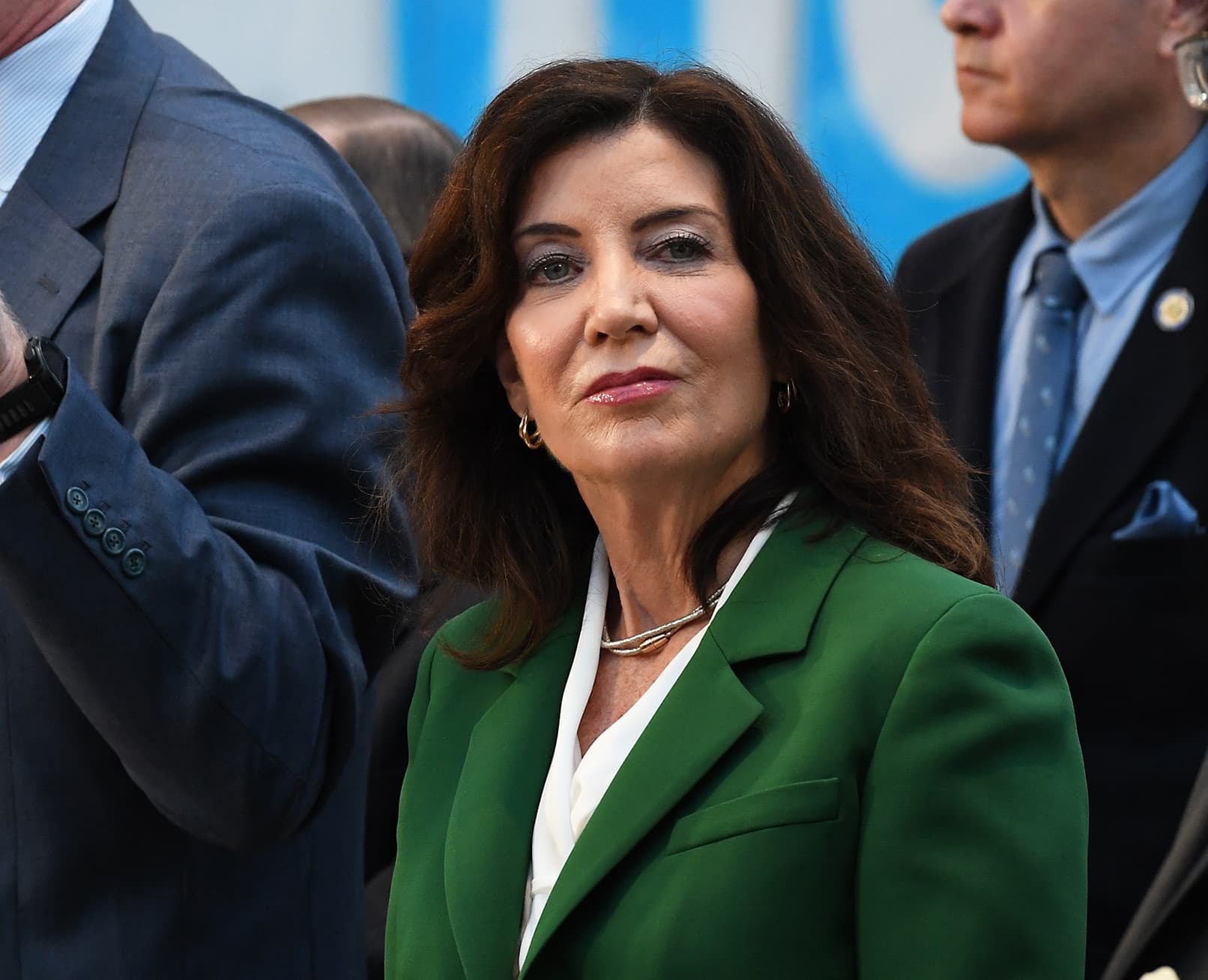
Obama calls ICE actions in Minnesota “rogue behavior,” warns of authoritarian parallels
Former president Barack Obama criticized ICE tactics in Minnesota as “rogue behavior” and urged civic pushback, citing heavy deployments and community resistance.
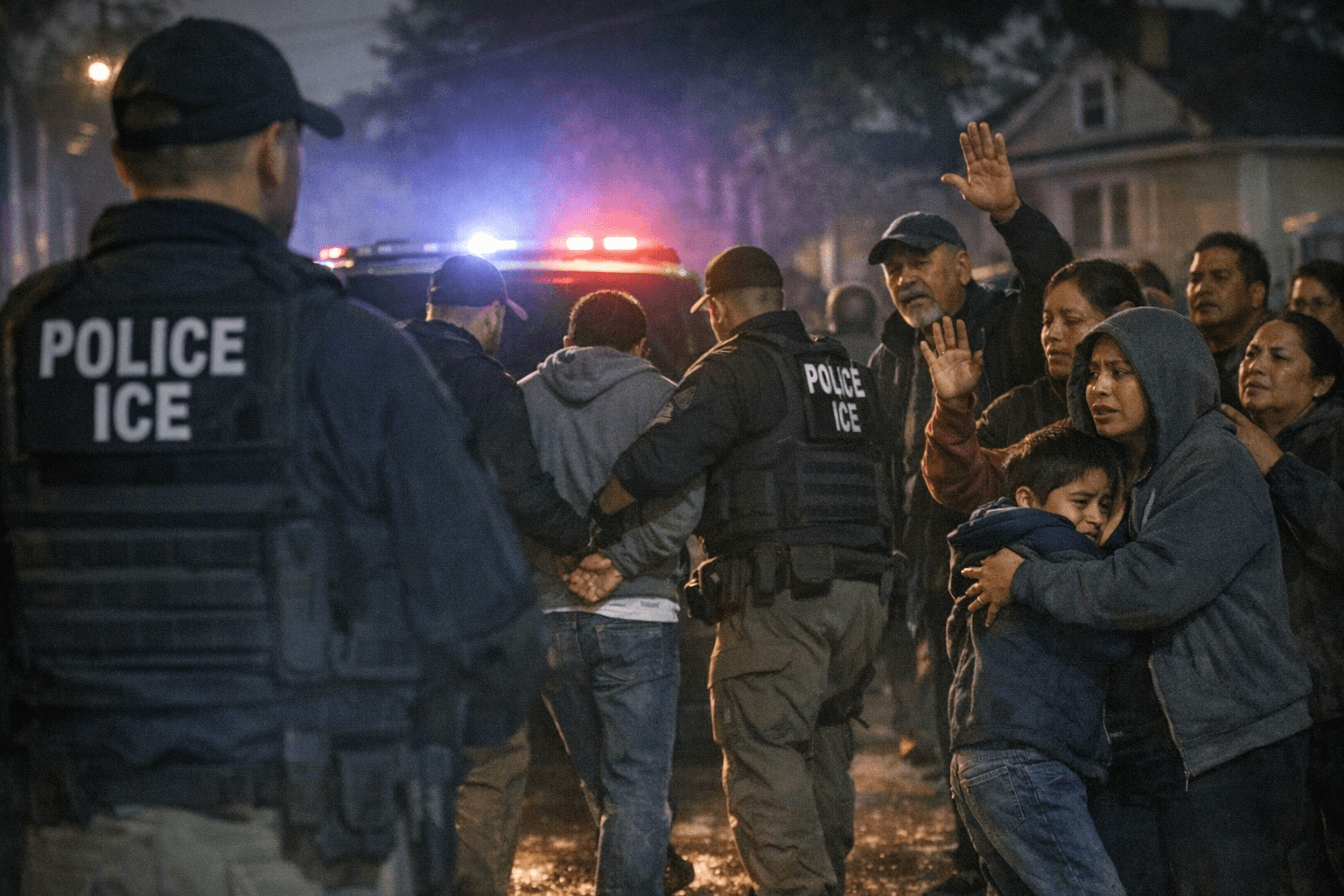
Former President Barack Obama sharply criticized recent Immigration and Customs Enforcement operations in Minnesota, calling the agents’ conduct “rogue behavior” and warning that such tactics resemble those used by authoritarian governments. Speaking in a Feb. 15 interview with podcast host Brian Tyler Cohen, Obama catalogued specific actions that he said undermined rule of law and civic norms.
Obama singled out a deployment known as Operation Metro Surge, which he and others described as involving over 2,000 agents and unprecedented in nature. He said agents were "pulling people out of their homes," "using young children to try to bait their parents," and "tear-gassing crowds simply for standing there, not breaking any laws." He warned that "The rogue behavior of agents of the federal government is deeply concerning and dangerous."
The remarks came amid heightened local outrage following what was described in reporting as recent ICE-related shootings in Minnesota that took the lives of Renee Good and Alex Pretti. Details about the shootings, including dates and investigative status, have not been provided in the interview. Obama framed the violence and aggressive enforcement as part of a broader breakdown in norms that requires a democratic response from citizens: "This is not the America we believe in," he said, urging people to "pay attention and say 'enough.'"
Obama also highlighted the civic pushback he said followed the operation, noting that ordinary residents had organized practical and symbolic resistance. He pointed to people buying groceries for neighbors, accompanying children to school and holding peaceful protests, sustained actions in "subzero weather" that he said "give us hope." His comments emphasized both the immediate human consequences for immigrant families and the political stakes for national institutions.
The scale of the deployment, more than 2,000 agents, and allegations of tactics involving children and home removals raise immediate policy and legal questions. From a governance perspective, the episode sharpens longstanding debates over federal immigration enforcement: the proper balance between interior enforcement and civil liberties, oversight of tactical deployments, and the accountability of a federal agency operating inside communities. Calls for congressional oversight, state-level investigations and civil litigation are likely outcomes as activists and local officials press for answers.
Market and economic implications, while indirect, are tangible. Concentrated enforcement actions can depress activity in immigrant-heavy sectors, restaurants, construction, caregiving and agriculture, increasing labor shortages and raising costs for local businesses. Disruptions may also amplify political risk premia for municipal bonds and public projects in affected jurisdictions if community services and enforcement-related liabilities expand local budgets.
Longer-term, the episode fits a broader pattern: federal enforcement strategies have become more militarized and contentious in many parts of the country, even as communities deploy grassroots resilience. That dynamic is likely to influence policy debates in the coming months over DHS and ICE funding, oversight mechanisms, and the legal frameworks governing domestic immigration operations. Obama framed those debates as a civic test: for norms to be restored, he said, citizens must act and insist on rules of law and decency.
This article was produced by Prism’s automated news system from verified source data, official records, and press releases, then run through automated quality and moderation checks before publishing. The system is built and supervised by the people who set the standards it runs under. Read our full AI policy.
Did this article answer your question?