Octopus Energy Reports 50% Solar Sales Surge Amid Iran War Oil Shock
Octopus Energy saw solar panel sales jump 50% in three weeks as the Iran war pushed oil prices past $120 a barrel, with CEO Greg Jackson warning July energy bills will "very likely" rise.
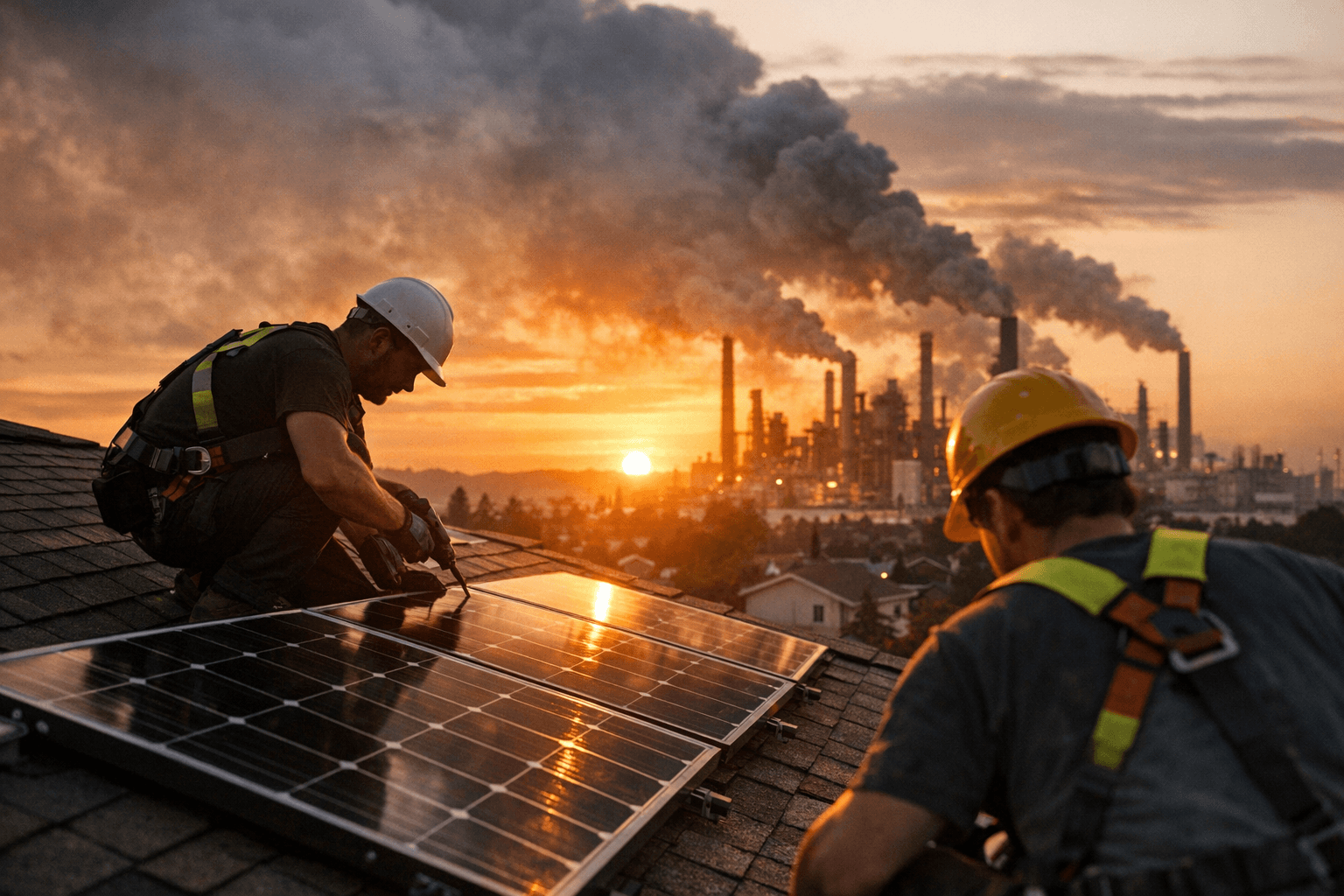
Solar panel interest at Octopus Energy shot up 50% after the conflict in the Middle East began, a surge Greg Jackson, chief executive of the UK's biggest energy firm, described as a "huge jolt" driven by customers who have simply decided: "Look, we've just got to do something about it."
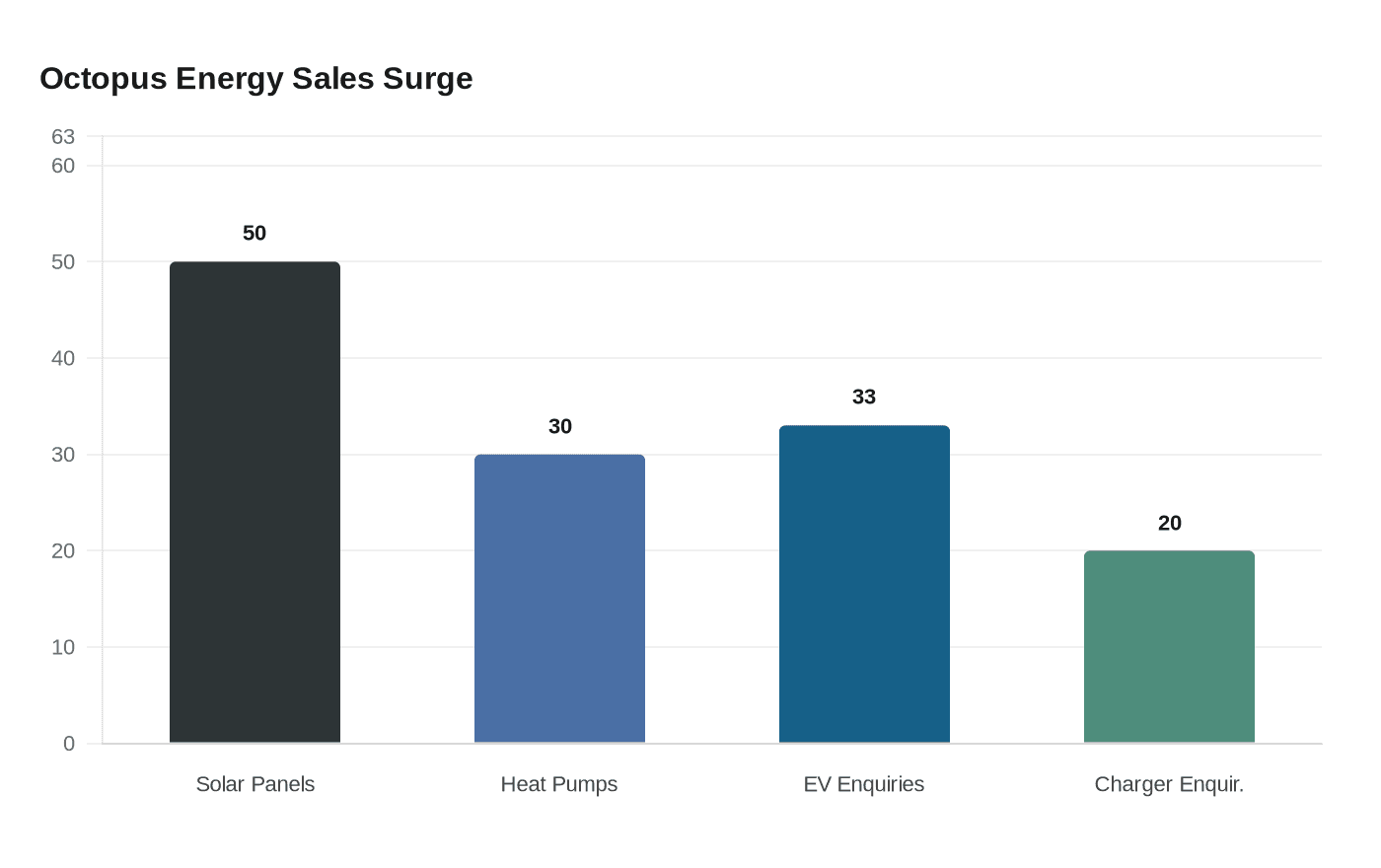
The conflict caused immediate volatility in energy markets, with Brent crude surging sharply, while Iran's closure of the Strait of Hormuz disrupted 20% of global oil supplies. That shock translated almost instantly into British living rooms. Speaking on the BBC's Big Boss Interview podcast, Jackson said Octopus recorded a 50% rise in solar panel sales and a 30% rise in heat pump sales, with enquiries about electric vehicles up more than a third and charger enquiries up about a fifth. All four figures are based on comparing the first three weeks of February with the first three weeks of March, a period Jackson noted was striking precisely because orders and enquiries are normally fairly steady month on month.
The price signal behind the rush is stark. The benchmark Brent crude oil price soared to nearly $120 per barrel, and the main driver was strikes launched by Israel and the US on Iran, which effectively turned the Strait of Hormuz into a no-go zone, with roughly 20% of the world's oil and gas normally passing through that waterway.
Jackson said Octopus was "staying optimistic about the impacts of the conflict, but planning on it being 'more serious'," confirming the firm is making contingency plans even as it projects confidence publicly. The warning that carries the most immediate weight for households, though, concerns Ofgem's quarterly price cap. Between April and June 2026, the price cap is set at £1,641 per year for a typical household, a decrease of 6.6% compared to the cap covering January to March. That brief respite may not last: Jackson said households would "very likely" see higher energy bills from July when Ofgem resets the cap again, with the July to September 2026 levels due to be published by 27 May 2026. Rising global energy prices linked to Middle East tensions could push the July 2026 cap higher.
On the broader policy front, Jackson was asked to respond to remarks by Larry Fink, chief executive of BlackRock, the world's largest asset management firm, who told the BBC he sees only "a lot of talk and no action" on energy transition in Europe compared with China. Jackson's answer was pointed: the most important thing, he said, is to get the cost of electricity down in the UK, which would allow more people to use EVs and heat pumps. He added that while electric vehicles were once seen as a luxury, there was now more parity between petrol and electric models and an emerging second-hand market making them accessible further down the income scale. The divide where lower-income households were priced out of affording EVs, he said, is "disappearing."
Analysts noted that a unique component of the fallout from the Iran war is that, unlike in previous oil shocks, renewable power has become more competitive in many countries around the world. "The Iran crisis accelerates the shift to renewables and electrification," said Sam Butler-Sloss, research manager at global energy think tank Ember. "High fossil prices drive switching, making already cheap electrotech even more competitive."
Jackson also reflected on the welfare dimension of the energy cost crisis, citing his own background. He referenced his "incredible single mum," who was studying while raising him and his siblings with support from the welfare state, and said that while the benefits bill is often viewed as too high, the priority should be finding ways to get people into work rather than cutting support. The comment underscored a recurring tension in his public positioning: a market-oriented optimism about green technology's potential to cut costs, tempered by an acute awareness of who gets left behind when energy prices spike.
This article was produced by Prism’s automated news system from verified source data, official records, and press releases, then run through automated quality and moderation checks before publishing. The system is built and supervised by the people who set the standards it runs under. Read our full AI policy.
Did this article answer your question?

