Official Commander primer clarifies rules, events, and store tools
Wizards lays out core Commander rules and event tools for players and stores. This matters for deckbuilding, event setup, and keeping multiplayer games balanced.
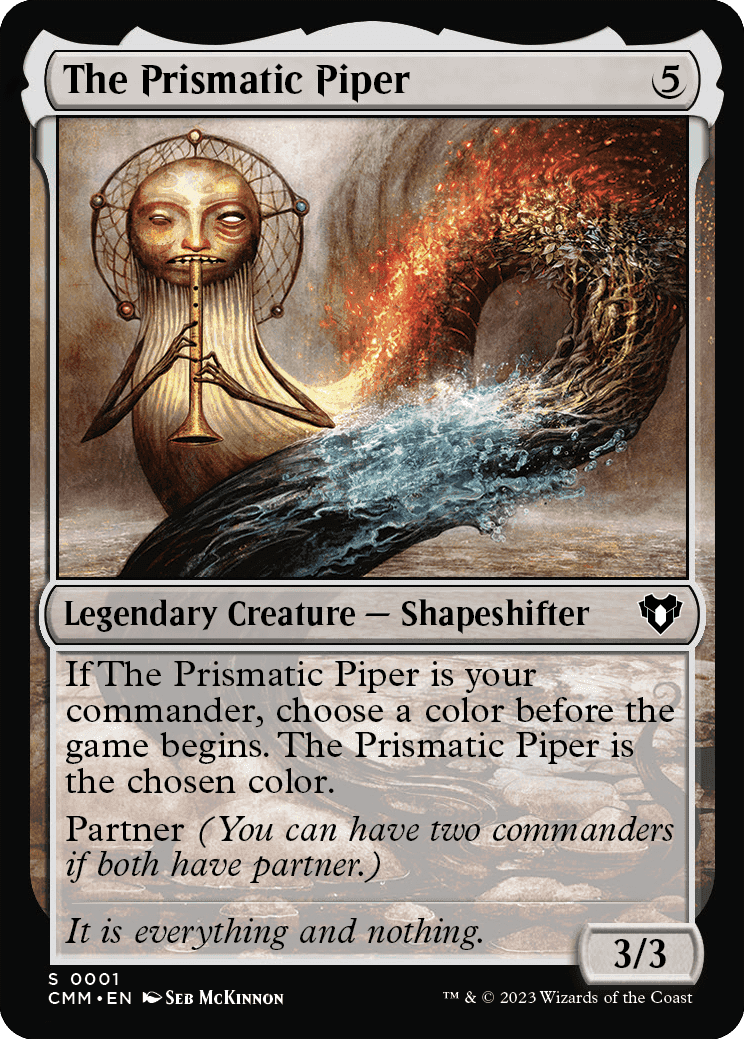
Wizards' official Commander-format pages set out the baseline rules and the event tools stores can use to grow local Commander communities. For players and organizers that means clear, actionable guidance on deck construction, how the command zone works, multiplayer life and damage rules, and program templates to run nights that attract regular attendance.
At the heart of Commander is the 100-card singleton structure: one chosen commander plus 99 other cards, with only basic lands allowed to repeat. A commander’s color identity dictates which cards belong in that deck; any colored mana symbol in a card’s mana cost or rules text is part of that identity. The command zone is the special home for your commander. Casting a commander from the command zone adds a commander tax of an additional {2} for each prior time it was cast from that zone. When a commander would move to the graveyard, exile, hand, or library, you may instead return it to the command zone, keeping the game’s unique loop intact.
Multiplayer standards are also spelled out: typical starting life is 40, and tracking commander combat damage remains critical because receiving 21 or more combat damage from the same commander over the course of the game ends a player’s run. These rules are the baseline referees use when ruling deck legality, resolving state-based actions, and adjudicating commander interactions that define long multiplayer games.
For stores and event organizers, the pages provide operational tools. EventLink and Wizards Play Network tools are recommended for scheduling Commander nights, and program templates such as Commander Party, Box League, and Two-Headed Giant Commander Night give straightforward formats to attract players and create regular, varied play. The materials note ongoing governance through a Commander Format Panel and the Game Changers and brackets initiative, which are being used to guide balance and organized play support for the format.

Practical value is immediate. If you build decks, verify color identity and singleton legality before sleeving up to avoid on-site deck checks. If you run events, lean on EventLink and the provided templates to standardize communication, prize structure, and matchmaking. If you care about the health of the format, follow updates tied to the Format Panel and Game Changers efforts so you can adapt house rules or banned lists in sync with official guidance.
The takeaway? Treat this primer as your playbook: nail the commander tax math, track 21 commander damage, stick to singleton rules, and use EventLink and the provided templates to make nights smooth and welcoming. Our two cents? Clear rules and predictable events are what keep tables full, so double-check deck lists and make sure your store's next Commander night is easy to find and easy to join.
Sources:
Know something we missed? Have a correction or additional information?
Submit a Tip