Ohio Senate race tests Democrats’ Epstein strategy against Brown, Husted
Democrats are trying to turn Epstein-fueled GOP anger into a Senate weapon in Ohio, where appointed incumbent John Husted faces Sherrod Brown.
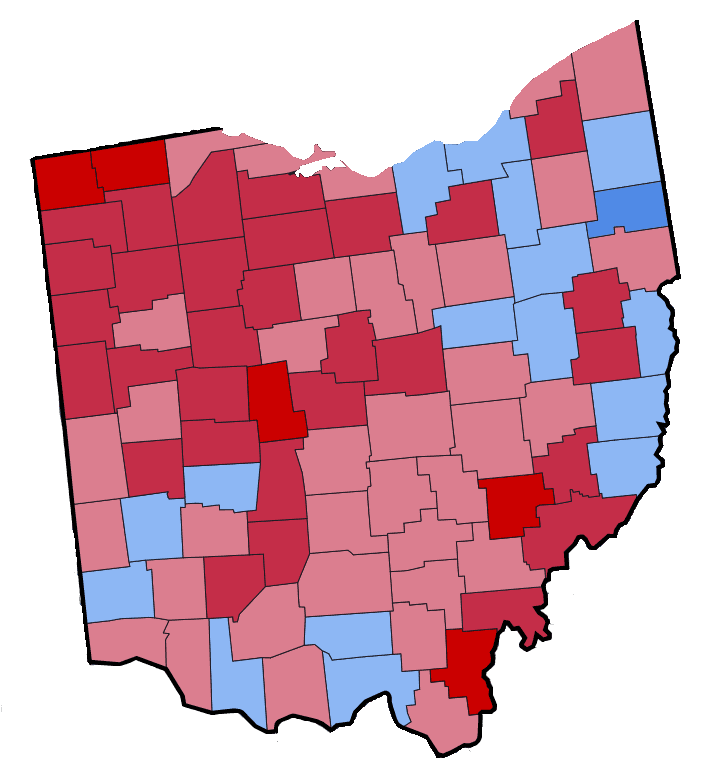
Ohio’s Senate race has become an early test of whether Democrats can convert Republican anger over the Jeffrey Epstein scandal into a real political opening, even in a state that still leans red at the presidential level. The contest pits John Husted, an appointed incumbent with little statewide profile, against former Sen. Sherrod Brown, a far better-known Democrat whose presence gives the party a plausible path into one of the most closely watched races of 2026.
The timing makes the stakes unusually sharp. Ohio’s primary was held May 5, 2026, and the special U.S. Senate election is set for November 3, 2026, to fill the remainder of JD Vance’s vacant term. The Associated Press said Husted, appointed in 2025, was uncontested in the Republican primary, while Brown emerged as the Democratic front-runner in a race that could help decide Senate control.
That imbalance is part of what makes Ohio so unusual. Husted enters as a low-profile incumbent who inherited the seat through appointment, while Brown is a former U.S. senator with broad name recognition and a long record in Ohio politics. Democrats see that contrast as an opening, especially if distrust of elites and scandal fatigue can be turned into a message that travels beyond Washington and into working-class counties where voters already feel alienated from both parties.
NBC News described the Ohio Senate contest as one of the most expensive and consequential in the country this fall, and the broader 2026 map underscores why both parties are watching it closely. Voters in 35 states are choosing U.S. Senate nominees this year, and Ohio is one of the key states on the May 5 primary calendar. The race’s national significance is heightened by the possibility that the November result could tip Senate control.
Ohio’s 2024 presidential vote shows why the state remains a political battleground rather than a true toss-up. Donald Trump carried Ohio with 55.1 percent of the vote to Kamala Harris’s 43.9 percent, a margin that reflects the state’s continued Republican lean even as statewide races remain competitive. That is the terrain Democrats are trying to exploit: a state that has not stopped voting red at the top of the ticket, but where anger, scandal, and distrust may still fracture the usual partisan lines.
This article was produced by Prism’s automated news system from verified source data, official records, and press releases, then run through automated quality and moderation checks before publishing. The system is built and supervised by the people who set the standards it runs under. Read our full AI policy.
Did this article answer your question?


%3Amax_bytes(150000)%3Astrip_icc()%2FTrumpandBitcoin2-58606bf51eda48bdaef9a9853f2541ad.png&w=1920&q=75)