Oil climbs to $100 as U.S.-Israel strikes on Iran rattle global markets
Oil reached $100 per barrel Sunday, the first time since July 2022, lifting fuel costs and stoking inflation and market risks amid recent U.S.-Israel military action in Iran.
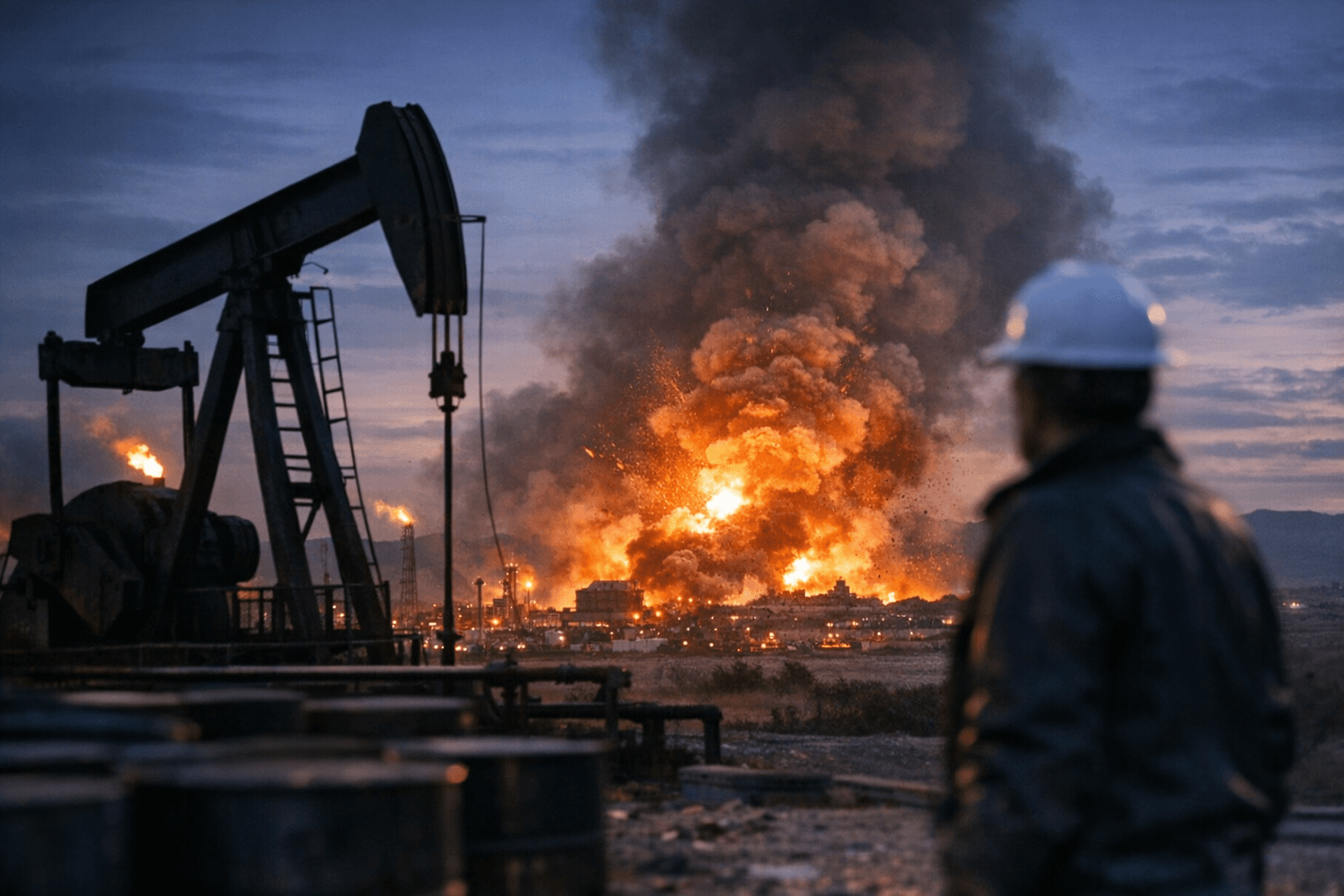
Oil continued a steep run Sunday, reaching $100 per barrel for the first time since July 2022 as markets absorbed the fallout from U.S. and Israeli military action in Iran. Traders said the move reflected escalating supply fears after strikes that began on Feb. 28, when prices were already accelerating.
Regional tensions pushed North American benchmarks sharply higher in recent days. Edmonton Journal reporting noted that North American oil prices spiked 13 percent in a single session and that the market had jumped roughly US$20 per barrel in just under a week after the Feb. 28 strikes. Brent crude topped US$90 on the prior Friday, while U.S. April West Texas Intermediate contracts were trading near US$87, their strongest levels since October 2023.
The immediate risk is a choke point: Qatar’s energy minister, Saad Sherida al-Kaabi, warned in an interview that, “the Gulf’s oil and gas producers could have to shut down oil production within days.” He added, “if the Strait of Hormuz, where about one-fifth of the world’s oil supply travels through, remains closed, the price of oil could rise to US$150 per barrel.” That scenario would sharply tighten global supply and magnify the recent price surge.
Market participants described the current state as volatile. Jeremy McCrea, managing director of equity research at BMO Capital Markets, said, “we’re in unknown territory.” Investors have already punished risk assets: trading flows this week showed broad selling pressure as crude moved up and analysts warned of knock-on effects for inflation and corporate profit margins.
The present spike revives historical parallels. In February 2022 oil surged above US$100 a few days after Russia’s invasion of Ukraine and eventually topped US$130, driven by sustained supply disruptions and sanctions. At that time, session highs included Brent futures near US$105.79 and U.S. WTI around US$100.54, underscoring how quickly geopolitics can translate into price volatility.
Higher energy costs are already working through other markets. Analysts point to knock-on moves in natural gas and precious metals during prior episodes, and consumer-facing prices will be affected if oil holds at these levels. Edmonton Journal analysis warned that airfare and goods prices in Canada could rise as oil moves above the US$90 threshold and beyond.
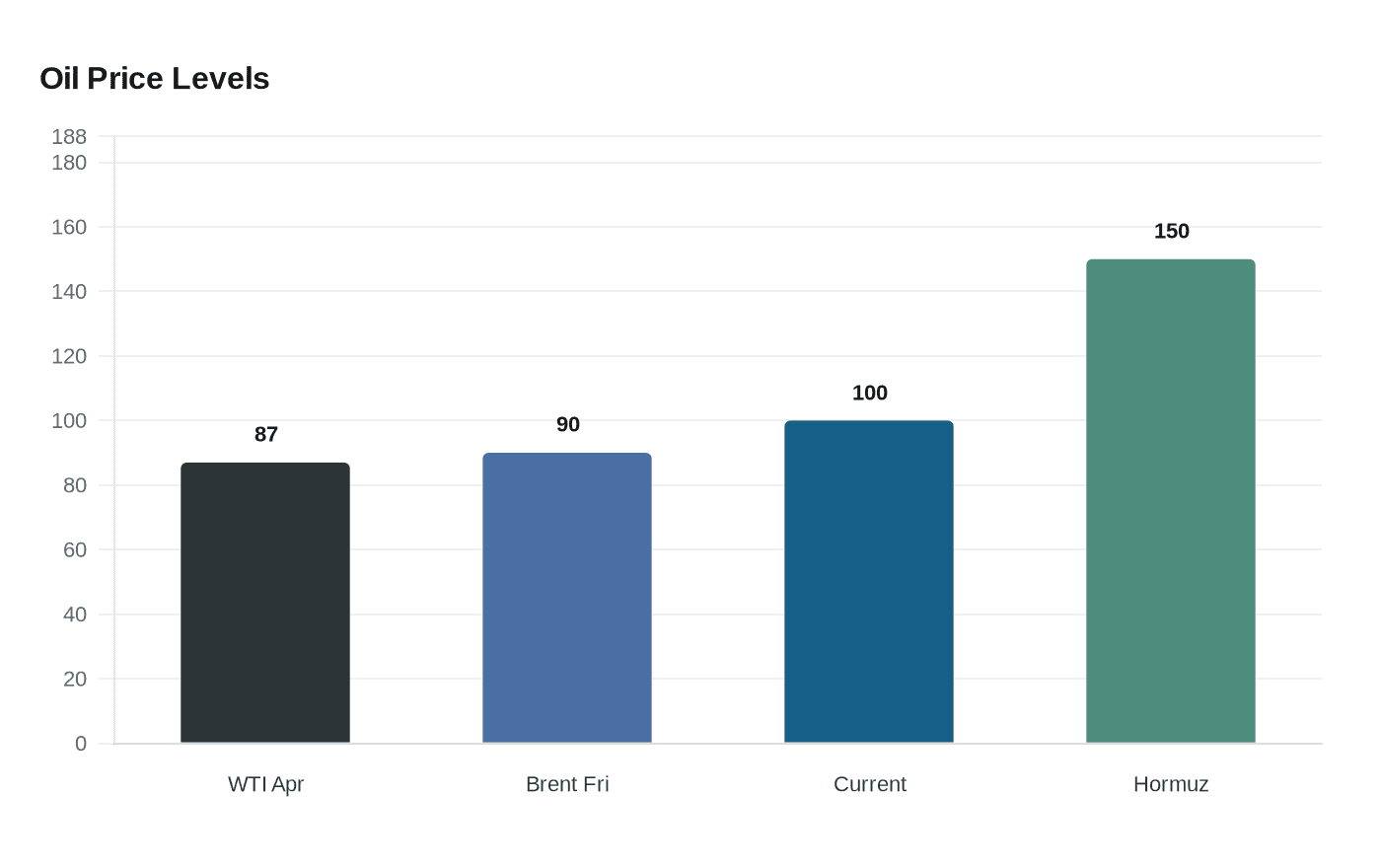
Economists and strategists say a sustained move to US$100 would have broader macro consequences. José Torres, a senior economist at Interactive Brokers, said, “$100 a barrel, or a 12% increase from where Brent traded on Friday, would mark a true oil price shock.” He added that in such a scenario he “saw inflation rising back up to 3%,” that the outlook for Federal Reserve rate cuts would be derailed, and that the risks of stagflation would increase. Torres concluded, “That's the risk here. So we can have a down year.”
Money managers are watching valuations and portfolio exposure closely. Past episodes show that sharp, persistent oil gains tend to narrow the room for policy easing and to pressure equity markets that face rising input costs. If supply disruptions persist around the Strait of Hormuz or major Gulf producers curtail output, the short-run price shock could become a longer drag on growth and household budgets.
This article was produced by Prism’s automated news system from verified source data, official records, and press releases, then run through automated quality and moderation checks before publishing. The system is built and supervised by the people who set the standards it runs under. Read our full AI policy.
Did this article answer your question?