Oil jumps nearly 3% as U.S. signals naval push toward Iran
oil prices surged after President Trump said a U.S. "armada" was heading toward Iran and Washington imposed new sanctions on vessels moving Iranian oil.
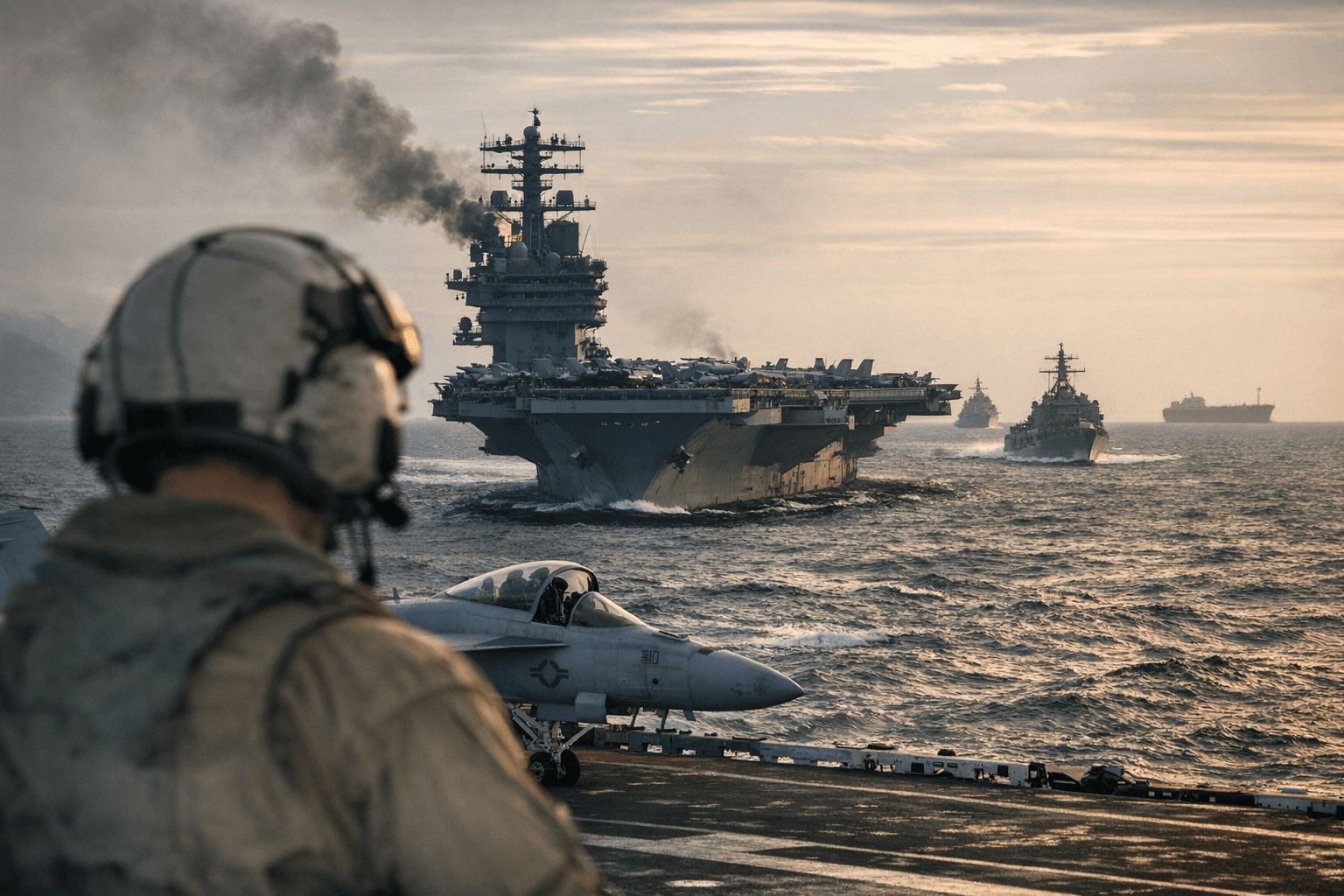
Oil prices rallied sharply on Jan. 23 and again on Jan. 24, 2026 after U.S. President Donald Trump announced that a large U.S. naval force was being sent toward Iran and the United States imposed fresh sanctions on vessels and firms involved in transporting Iranian oil. Brent crude climbed roughly 2.8–3%, reflecting a rapid repricing of geopolitical risk across global energy markets.
Traders said the move reflected two coincident shocks: an elevated probability of supply disruption in the Gulf region and an immediate tightening of the legal and logistical channels for Iranian exports. The sanctions targeted tankers and shipping companies that move Iranian crude, a step that market participants warned could reduce the pool of available vessels and raise freight and insurance costs for shipments from the region.
The price jump was driven primarily by a higher risk premium rather than by an abrupt change in production fundamentals. In futures markets, prompt-month contracts outperformed later months, signaling trader concern about near-term flows. Equity markets with heavy energy exposure tracked the move; oil-sensitive currencies and sovereign spreads of oil exporters also showed sensitivity to the headlines. Volatility measures in oil futures rose sharply, underscoring the market's reassessment of short-term downside protection.
Policy consequences extended beyond immediate market moves. By coupling a naval deployment with economic measures aimed at curtailing Iranian exports, the United States increased the potential cost of running shipments through key chokepoints such as the Strait of Hormuz. A narrower set of sanctioned-compliant shipping options can push charter rates higher and encourage shippers to reroute, which would lengthen voyages and curtail effective supply available to refiners. Market analysts noted that even modest bottlenecks in tanker capacity can amplify price effects when spare physical inventories are limited.
The development also raises questions for energy security policy and central banks. Higher oil prices feed into headline inflation and can complicate monetary policy calculations in regions where energy accounts for a sizable share of consumer spending. For oil-importing emerging markets, the shock increases external financing pressures; for net exporters, it can temporarily improve fiscal balances but leave them exposed to political risk.
Longer-term implications are more mixed. The immediate price response may incentivize short-term increases in production from OPEC+ suppliers with spare capacity, and it could accelerate diversification strategies among consuming nations seeking to reduce exposure to Middle East geopolitics. The sanctions component further underscores how secondary measures that target maritime logistics, as much as crude output, are becoming tools of statecraft and markets are adjusting accordingly.
Markets will now watch diplomatic signals, reports of tanker activity, and any statements from producers about output adjustments. In the near term, oil traders appear to be pricing a higher probability of interruption or added cost to shipments from Iran, translating geopolitical tension into a measurable and rapid reallocation of risk across oil markets.
This article was produced by Prism’s automated news system from verified source data, official records, and press releases, then run through automated quality and moderation checks before publishing. The system is built and supervised by the people who set the standards it runs under. Read our full AI policy.
Did this article answer your question?

