Oil prices fall as U.S. and Iran near Hormuz deal
Oil prices sank as traders rushed to strip out a war premium on signs of a U.S.-Iran deal, with Brent down more than 5% and WTI near $96.35.

Oil traders moved fast to price out geopolitical risk as reports of a possible U.S.-Iran deal suggested the Strait of Hormuz could stay open, even if only temporarily. That one shift was enough to knock crude lower within hours, underscoring how quickly markets can unwind a war premium when the threat of disruption eases, even before any formal agreement is signed.
The proposed arrangement centered on a 60-day ceasefire extension that would reopen the strait, allow Iran to sell oil freely and open negotiations on Tehran’s nuclear program. It also called for Iran to clear mines from the waterway, while the United States would lift its blockade on Iranian ports and issue some sanctions waivers. President Donald Trump said the agreement to reopen the Strait of Hormuz was largely negotiated and would be announced soon. Iran’s foreign ministry said the deal included a memorandum of understanding as a first phase, with broader talks to follow in 30 to 60 days.
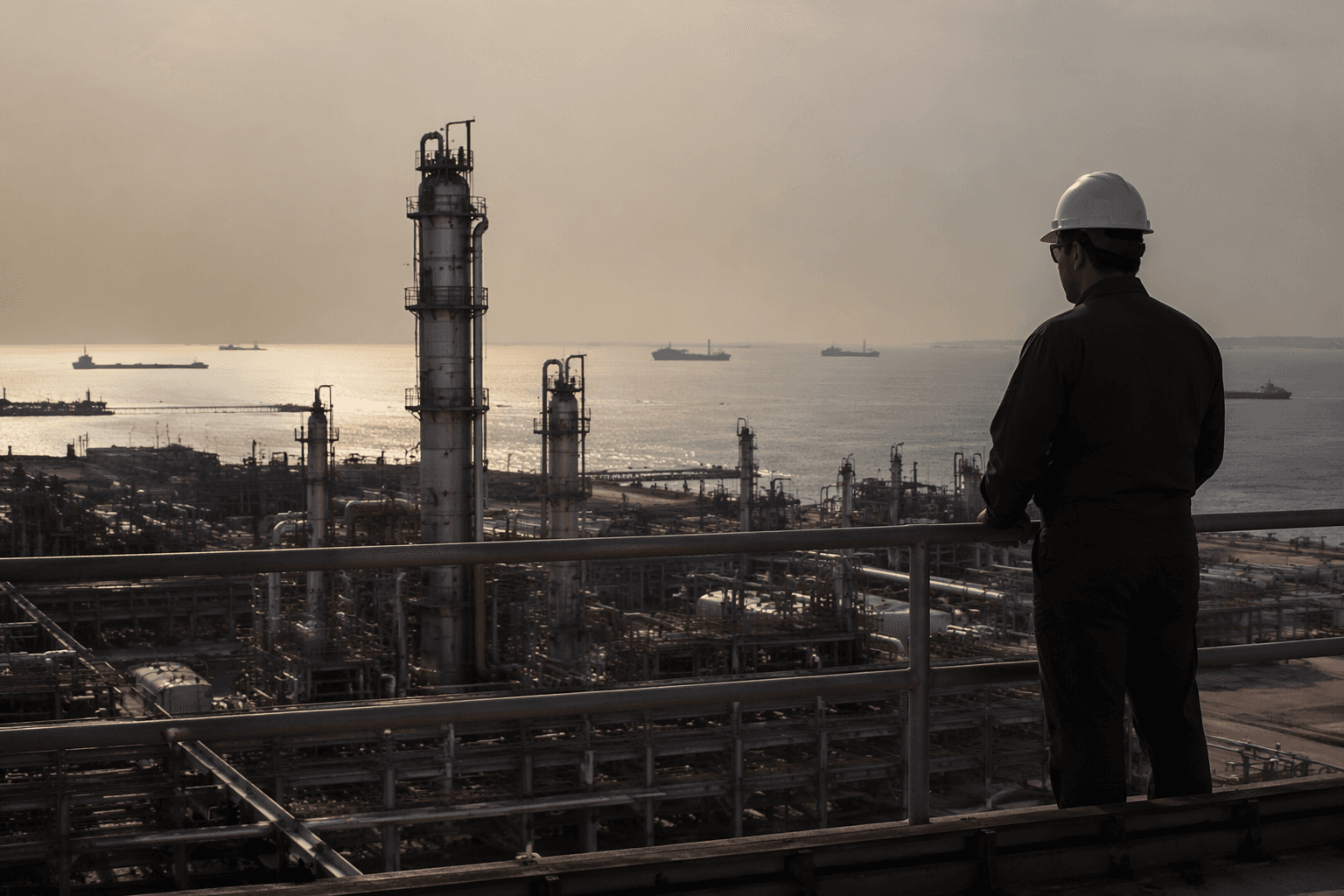
The market reaction was immediate because the Strait of Hormuz is one of the world’s most important energy chokepoints, carrying crude and fuel shipments from producers including Saudi Arabia, the United Arab Emirates, Qatar, and others across the Gulf. When supply routes through the strait are threatened, oil prices tend to jump on fears that even a small interruption could ripple through global inventories, shipping costs and refinery margins. When the risk recedes, prices can fall just as quickly.
That dynamic was already visible before the latest drop. U.S. crude fell nearly 2% to close at $96.35 per barrel, and Brent later fell more than 5% as traders reacted to mixed signals about whether any deal would permanently end the conflict. The price move followed a volatile stretch in which Iran said about 30 vessels had crossed the strait, even as attacks on one ship and the seizure of another kept supply fears elevated.
For U.S. consumers, the key question is whether cheaper crude filters into gasoline prices and inflation expectations. Gasoline typically responds with a lag, but a sustained decline in crude can ease pressure at the pump and help cool headline inflation, especially if the calm in the Gulf holds. Energy-intensive industries, from airlines and trucking to chemicals and manufacturing, would also benefit if the market concludes that Hormuz is less likely to become a flashpoint in the weeks ahead.
Know something we missed? Have a correction or additional information?
Submit a Tip

