Oil prices jump on Iran war escalation fears, peace talks stall
Oil climbed as Trump warned Iran the clock was ticking and peace talks stalled, sharpening fears of a Strait of Hormuz shock that could hit gasoline and inflation.

Oil prices jumped again as traders priced in the chance that the Iran war could widen before diplomats found a way to stop it. Brent crude climbed near $110 a barrel and West Texas Intermediate rose above $106, a move that quickly fed through to equity markets and revived worries about what a fresh energy shock would mean for U.S. drivers and inflation expectations.
The immediate trigger was political pressure from Washington. Donald Trump said in a Truth Social post on Sunday that for Iran, “the clock is ticking,” after negotiations over a permanent end to the war stalled. Markets read that as a sign the conflict could remain unsettled for days or weeks, keeping crude elevated even before any broader supply interruption showed up at tanks, pipelines or refineries.

Diplomatic channels were still active, but they offered little reassurance. Pakistan shared a revised proposal from Iran with the United States aimed at ending the conflict, while Iranian Foreign Ministry spokesman Esmaeil Baqaei said Tehran was pursuing diplomacy seriously but would respond with full strength if attacked again. Earlier, Iranian Foreign Minister Abbas Araqchi said Tehran had “no trust” in the United States and would negotiate only if Washington was serious. The gap between those positions underscored why traders kept bidding up oil: peace talks were still alive, but not close.
The biggest market fear centered on the Strait of Hormuz, the narrow waterway through which about one-fifth of global oil and gas normally passes. New attacks on vessels near the strait reinforced the risk that even a short disruption could tighten inventories fast, lift shipping costs and force importers to pay more for crude arriving in Asia, Europe and the United States. The International Energy Agency has already warned that global oil inventories were being depleted at a record pace, leaving little cushion if the route stays under pressure.
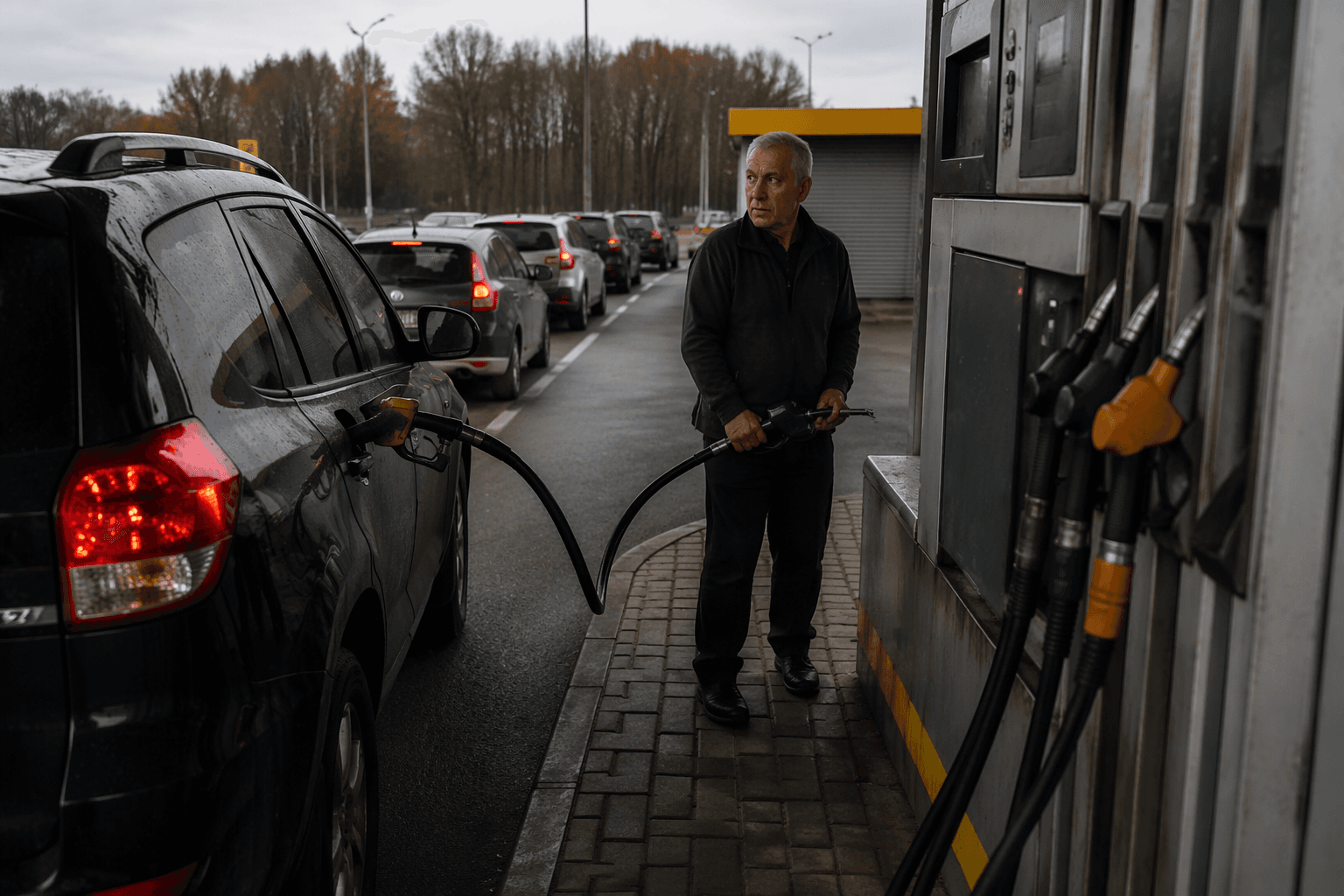
For policymakers, the timing was awkward. Higher crude can move quickly into U.S. gasoline prices and push up near-term inflation expectations, exactly the sort of energy-driven shock central bankers and government officials have been trying to avoid. Trump discussed the Iran war with China’s Xi Jinping last week, a reminder that the fallout reaches far beyond the battlefield: the longer the standoff drags on, the more the cost shows up in household budgets and in the broader economy.
This article was produced by Prism’s automated news system from verified source data, official records, and press releases, then run through automated quality and moderation checks before publishing. The system is built and supervised by the people who set the standards it runs under. Read our full AI policy.
Did this article answer your question?