Oil Prices Rise After OPEC+, Pausing Output Increases Into 2026
Brent crude and U.S. West Texas Intermediate futures climbed more than 1.5 percent after OPEC+ reaffirmed plans to pause production increases for the first quarter of 2026, stoking concerns about tighter supply. Traders pointed to the group's cautious stance, continued voluntary cuts by some members and disruptions at pipelines and terminals, while diesel and gasoline margins hit two year highs in November, amplifying market sensitivity.
Brent crude and U.S. West Texas Intermediate futures rose by more than 1.5 percent on November 30 after OPEC+ members reconfirmed a pause in planned production increases for the first quarter of 2026. Market participants said the decision, coupled with a string of voluntary output cuts by some producers and intermittent pipeline and terminal disruptions, shifted investor expectations toward a tighter supply backdrop in the near term.
Traders and analysts highlighted that the pause effectively delays additional barrels coming to market at a time when refined product margins have strengthened. Reuters reported that diesel and gasoline margins reached two year highs in November, boosting refiners profitability and creating a stronger pull for crude oil. That dynamic can both support crude prices and increase price sensitivity to any further supply interruptions.
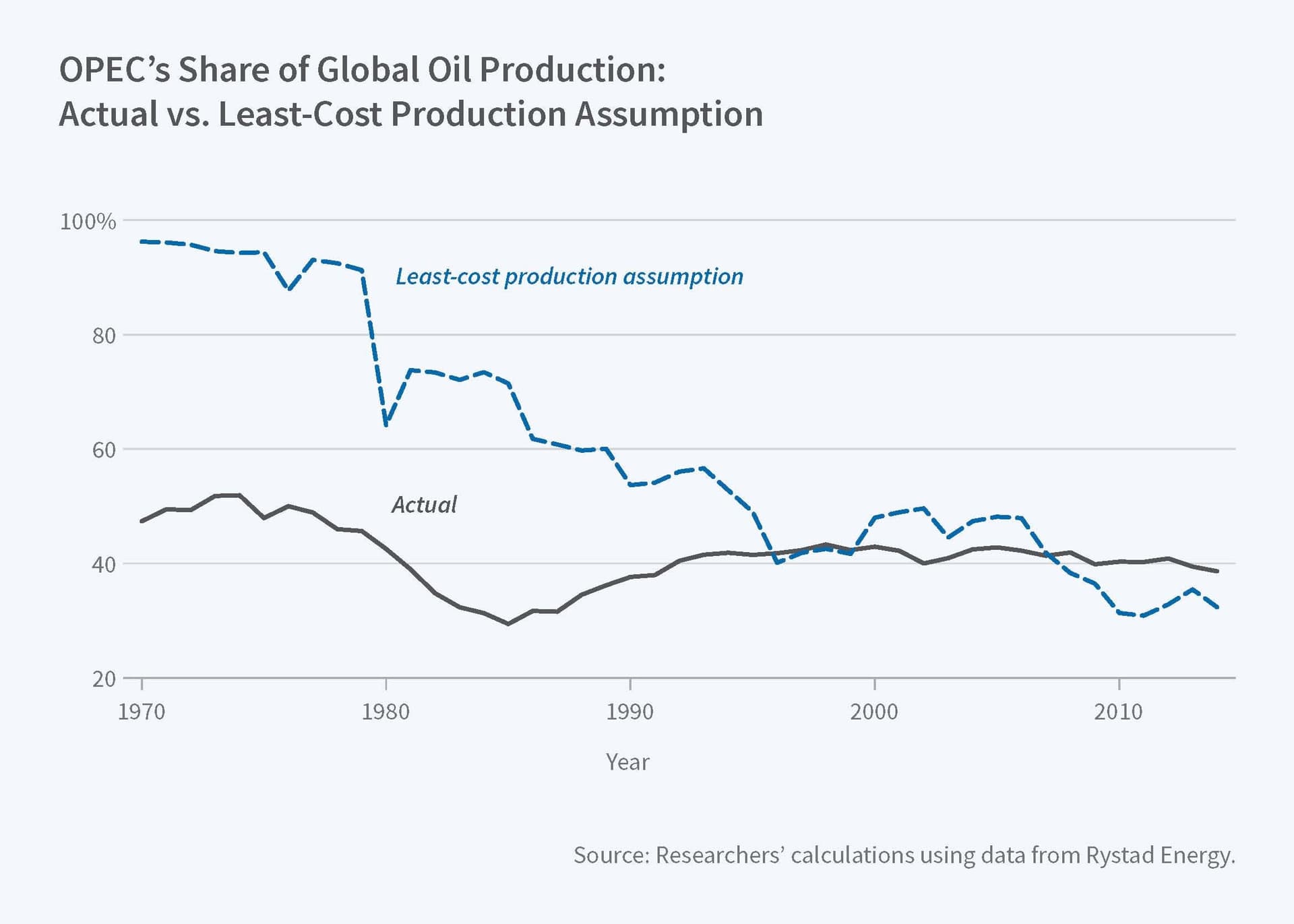
The OPEC+ stance underscored its continuing role as the marginal swing supplier in global oil markets. By keeping production increases on hold, the group preserved the option to limit supply should demand remain resilient. Within markets, that translated into a tightening risk premium as investors priced in the potential for supply shortfalls if voluntary cuts persist or if logistical disruptions spread.
Supply concerns were not limited to deliberate production restraint. Several traders noted disruptions at pipelines and terminals in key producing regions contributed materially to the rally by curbing flows and complicating logistics. In addition, uncertainty about the availability of sanctioned crude, tied to evolving geopolitical developments, added an extra layer of unpredictability. Analysts cautioned that any significant changes in sanctioned flows could rapidly alter global balances and trigger volatile price moves.

The rally has clear economic and market implications. Stronger fuel margins and higher crude prices tend to feed through to pump prices, adding near term upside to headline inflation measures in import dependent economies. For investors, an environment of tightening physical market fundamentals and elevated refining margins can support higher valuations for energy sector equities and lift bond yields in producing nations that rely on oil revenues. For refiners, two year high margins in diesel and gasoline provided a financial buffer to maintain run rates, even as crude costs rose.
Policy makers will be watching closely. Central banks are sensitive to energy driven inflation impulses, and governments facing elevated fuel prices may consider strategic reserve releases or temporary tax measures to blunt consumer pain. For OPEC+ members the choice to pause increases tests a balance between supporting prices and maintaining market share over the long term.
Looking ahead, prices will hinge on the interplay of demand momentum, the durability of voluntary cuts, the pace of resolution for logistical disruptions and geopolitical developments affecting sanctioned barrels. With the first quarter of 2026 now operating under a confirmed production pause, markets are likely to remain attentive to any incremental shifts in supply that could tighten or loosen the balance.
This article was produced by Prism’s automated news system from verified source data, official records, and press releases, then run through automated quality and moderation checks before publishing. The system is built and supervised by the people who set the standards it runs under. Read our full AI policy.
Did this article answer your question?

