Oil prices slide as Strait of Hormuz shipping resumes after Iran deal
Brent crude slid to about $72.24 a barrel as tankers began moving again through the Strait of Hormuz, but relief at the pump may lag behind the headline drop.
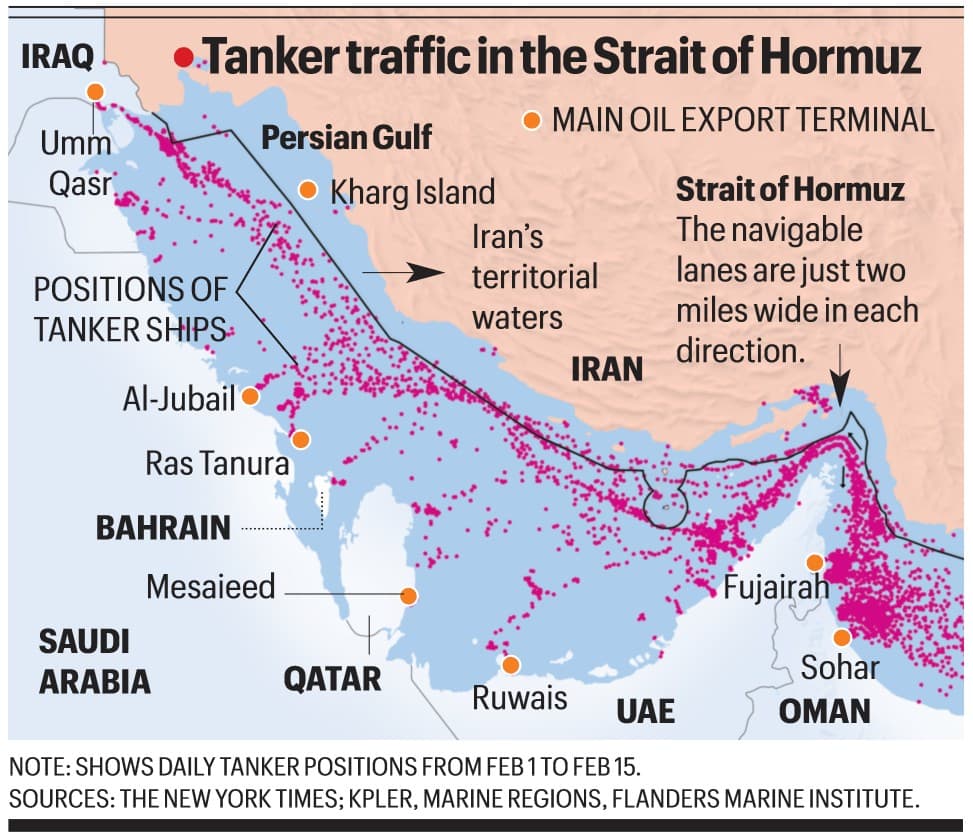
Oil prices fell further on Thursday, with Brent crude easing to about $72.24 a barrel as shipments resumed through the Strait of Hormuz after a preliminary U.S.-Iran agreement to reopen the waterway. The move has pushed crude closer to levels seen before the war in Iran began in February, but the drop is only the first step in a longer pass-through to gasoline, shipping and grocery costs.
Brent had already slipped below $75 on Wednesday for the first time since the conflict began on Feb. 28, 2026, and Reuters reported the benchmark at about $72.68 a barrel at 0639 GMT on Thursday. The decline reflects growing confidence that Gulf supply is coming back online after more than three months of severe disruption. The Strait of Hormuz normally carries about one-fifth of global oil and liquefied natural gas flows, so even a partial reopening matters well beyond the Gulf.
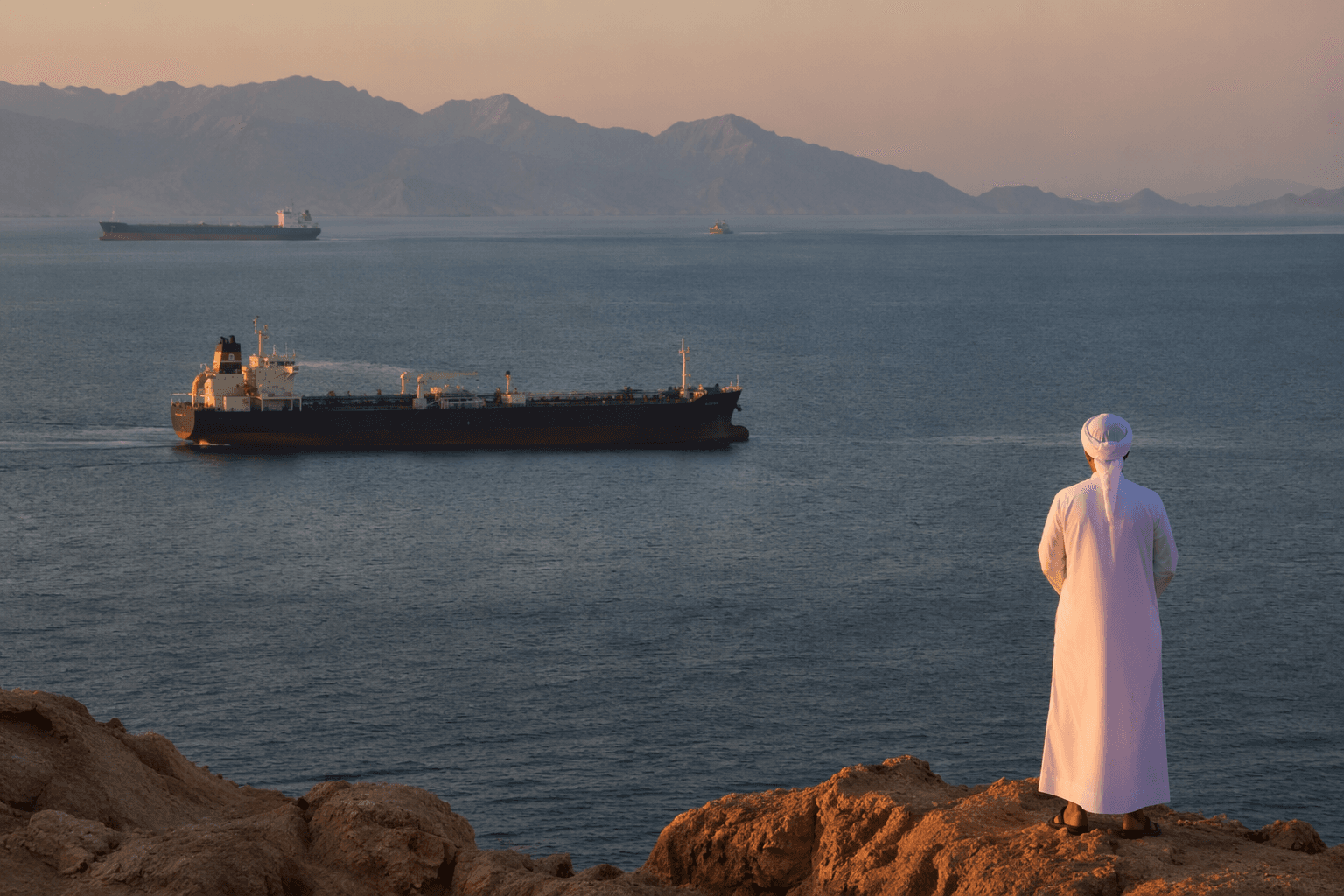
A Liberian-flagged tanker crossed the strait on Thursday using a new route close to Oman’s shores, a passage promoted by Oman and a United Nations maritime agency. Maritime intelligence company Windward said shipping through the strait stalled over the weekend after Iran announced it had again closed what is widely viewed as the world’s most important oil chokepoint. Traffic is now returning, but some analysts and shipowners say normalization could still take weeks or months.
Iran has warned ships that it considers transit without its approval “unacceptable and dangerous,” keeping a war-risk premium in place even as prices fall. President Donald Trump has said the peace deal cannot include Iranian tolls or other charges on vessels using the strait, underscoring that any reopening remains politically fragile. That leaves traders weighing whether the recent decline marks a durable easing of supply risk or just a pause in a still-volatile market.
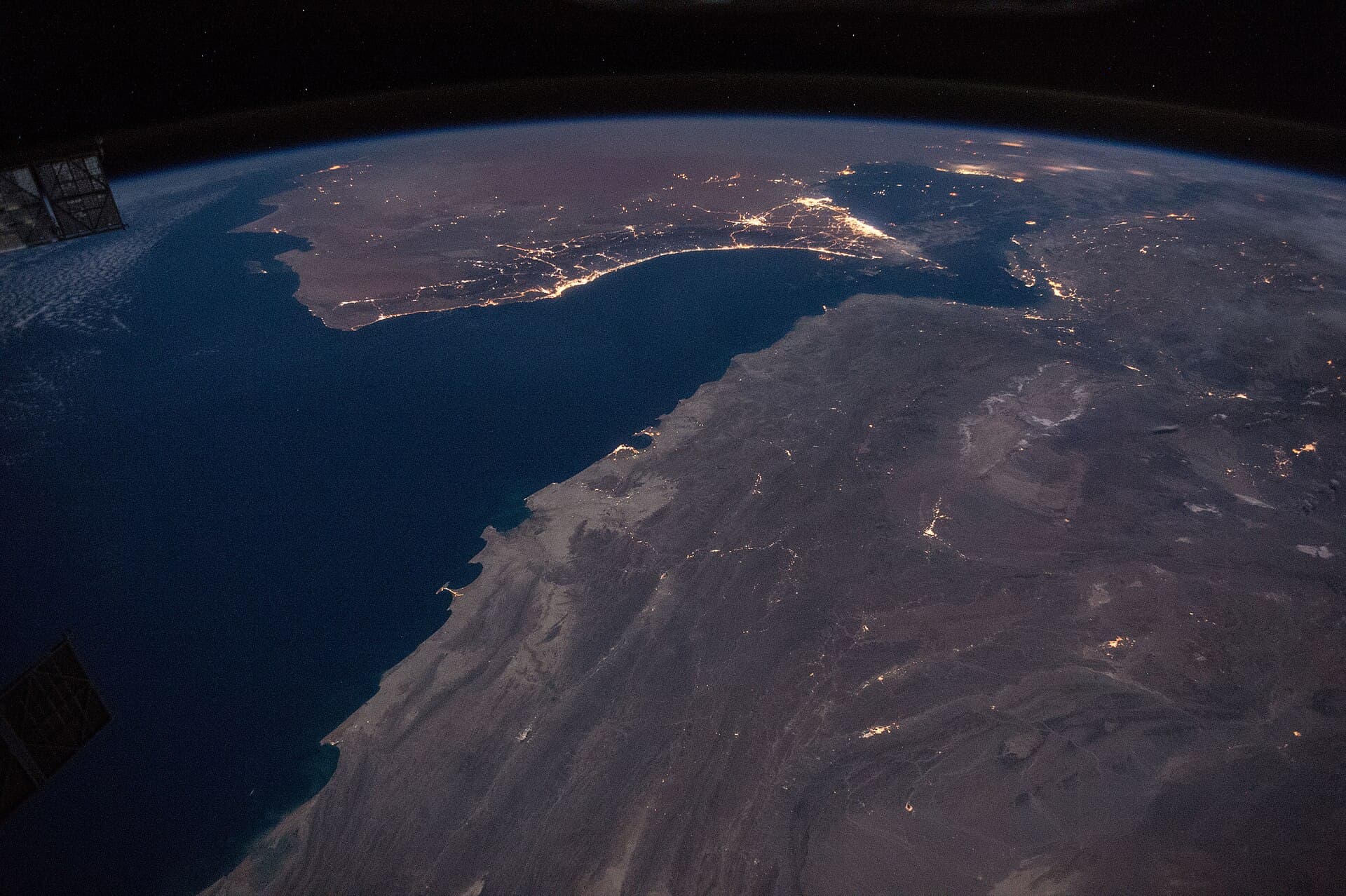
Goldman Sachs has projected that Gulf exports could return to prewar levels by the end of July, with crude production recovering by October. Even then, fuel prices may not fall back as quickly as crude because inventories, rerouting and insurance costs can keep freight and retail prices elevated after the headline oil price has already moved lower.
This article was produced by Prism’s automated news system from verified source data, official records, and press releases, then run through automated quality and moderation checks before publishing. The system is built and supervised by the people who set the standards it runs under. Read our full AI policy.
Know something we missed? Have a correction or additional information?
Submit a Tip