Oil Prices Surge as Trump's Iran Deadline Approaches, Hormuz Fears Grow
Oil surged above $116 a barrel as fresh U.S. strikes on Iran's Kharg Island and Trump's 8 p.m. Tuesday deadline to reopen the Strait of Hormuz sent stocks tumbling and gas prices to a national average of $4.14.
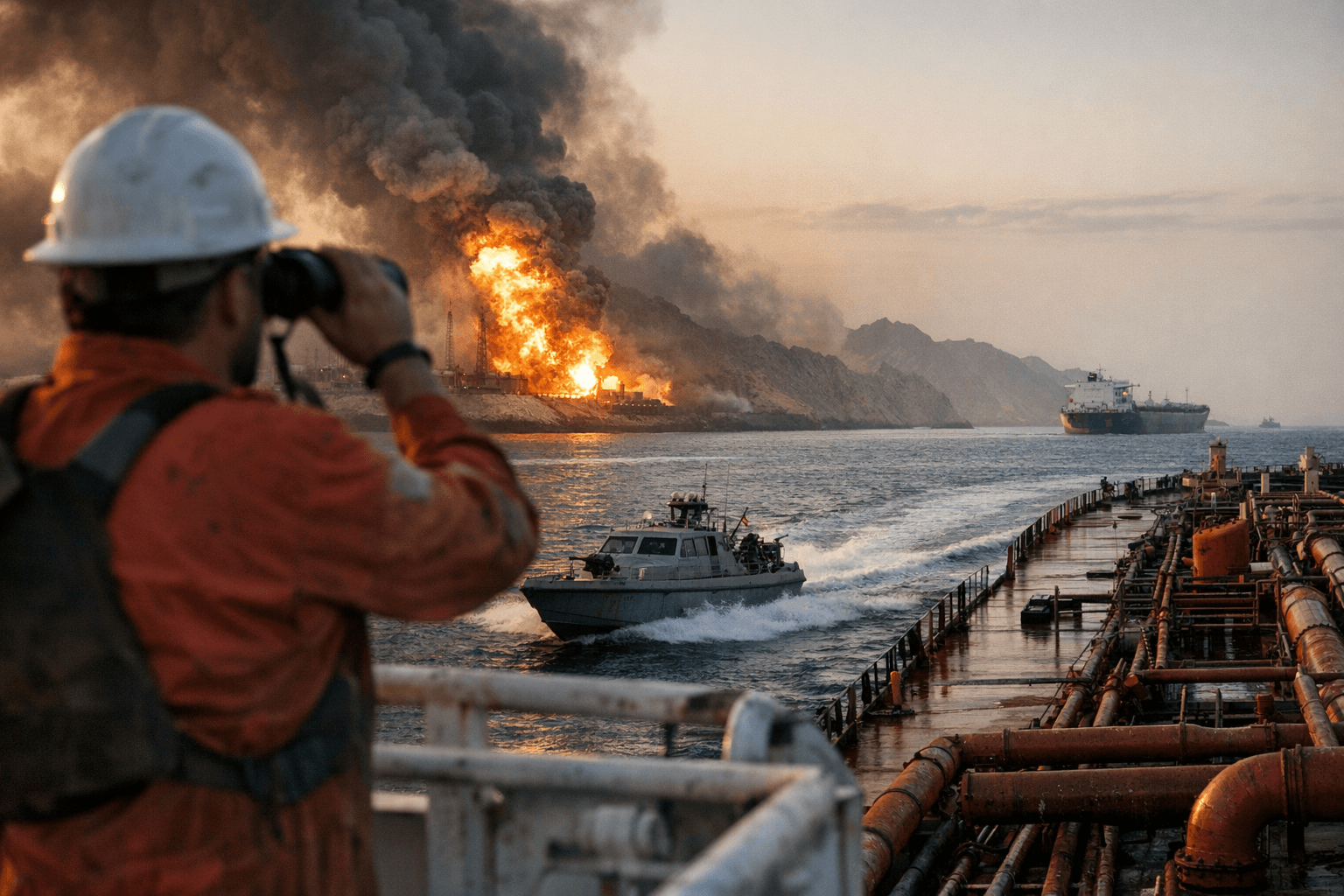
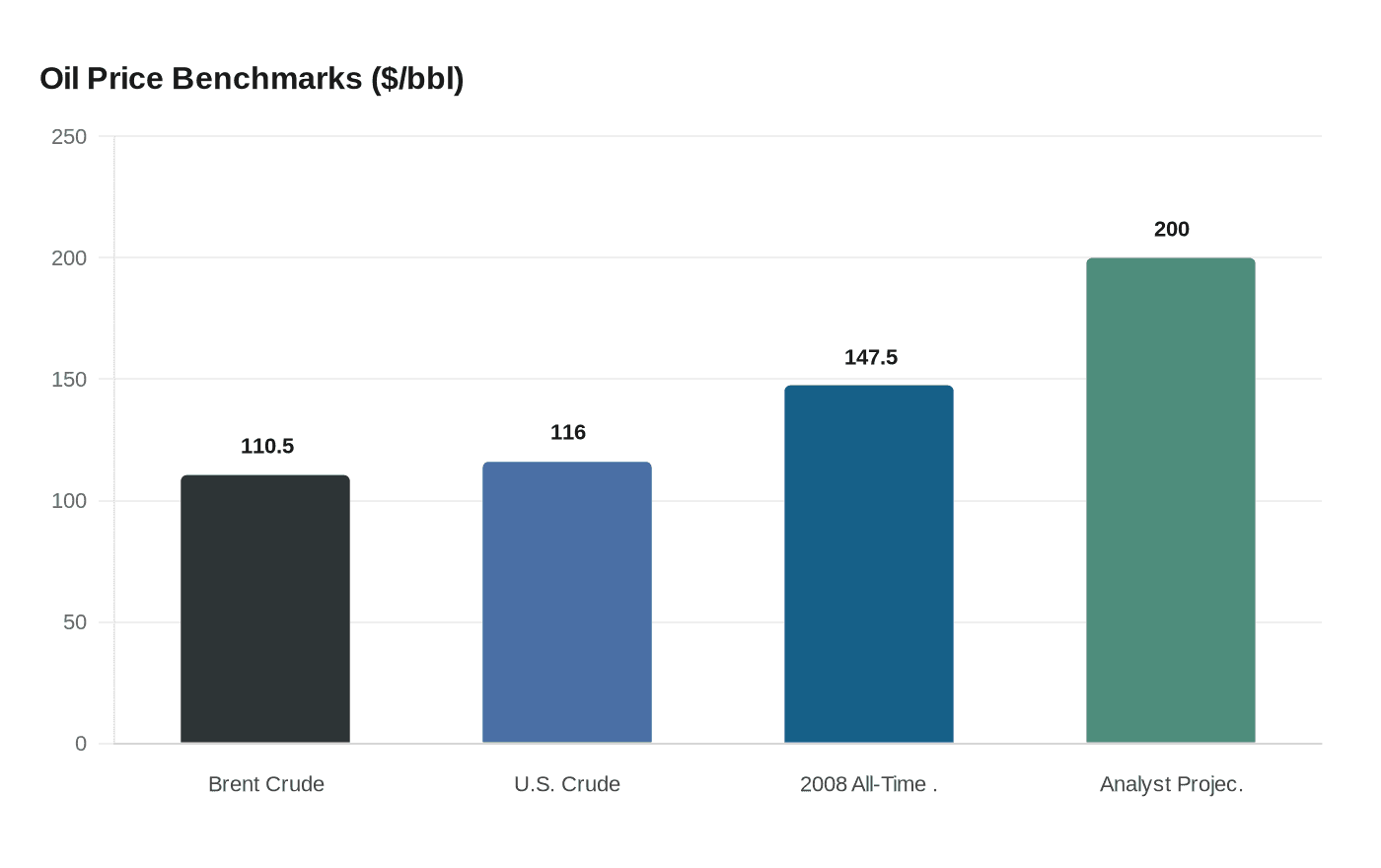
Oil prices jumped and stocks tumbled Tuesday morning after the United States launched new strikes on Iran's Kharg Island and President Donald Trump's 8 p.m. ET deadline to reopen the Strait of Hormuz approached without a clear resolution. The price of U.S. crude oil jumped more than 3% to nearly $116 per barrel after the first reports that the U.S. struck Kharg Island, from which Iran exports 90% of its crude oil. International benchmark Brent crude traded at $110.50 per barrel.
The Dow Jones Industrial Average shed 382 points, or 0.8%. The S&P 500 was down 0.9%, while the Nasdaq Composite traded 1.3% lower. Trump set an 8 p.m. ET deadline for the U.S. and Iran to strike a deal on reopening the Strait of Hormuz, otherwise the U.S. would destroy Iran's power plants and bridges. Early Tuesday, Trump wrote on Truth Social that "A whole civilization will die tonight" if a deal with Iran is not reached and the Strait of Hormuz is not reopened by his deadline.
The mechanics driving these moves are straightforward. About 20% of global oil supplies passed through the Strait of Hormuz waterway before the war. The closure of the narrow waterway connecting the Persian Gulf and the Gulf of Oman has led to a supply shock, sending prices for crude, jet fuel, diesel, and gasoline soaring since the war broke out on February 28. Futures traded close to $116 a barrel, up 60% since the war began but far below 2008's all-time high of $147.50.
American households and businesses have been absorbing the damage in waves. U.S. gas prices soared to a national average of $4.14 a gallon amid Iran's continued closure of the strait, according to AAA. The increase marks raised costs for drivers by nearly 39% since the war began at the end of February, up from a pre-war average of $2.98. Los Angeles drivers faced prices topping $6 a gallon on Sunset Boulevard. Surging diesel and jet fuel prices led Amazon and JetBlue to add surcharges this week. Experts call it a "tax" on the consumer, but for many small businesses across the U.S., it's not a cost they can pass along. Supply chain ripple effects extend further: about 85% of polyethylene exports from the Middle East flow through the route, and shortages and backlogs will raise the price of packaging, automotive components, and consumer goods, according to Usha Haley, a supply chain expert at the Barton School of Business at Wichita State University.
Whether this week's price spike is sustained or short-lived hinges on a few concrete triggers. Trump had issued a similar two-day ultimatum to Iran on March 21, only to extend the deadline to April 6. That pattern of brinkmanship followed by extension has given traders some room for skepticism. Market participants read Trump's latest Truth Social post carefully, noting it ended with him hinting that perhaps "smarter, and less radicalized minds prevail" in talks with Iran's current leaders.
The scenario that converts a headline pop into a prolonged price spiral is specific: a direct hit on Kharg Island's oil terminal. Dan Pickering, chief investment officer of Pickering Energy Partners, summarized the stakes: "You take out Kharg infrastructure, then you take two million barrels per day out of the market for good, not until the Straits get fixed." U.S. government officials and Wall Street analysts have begun considering the prospect that oil prices might surge to an unprecedented $200 a barrel. Goldman Sachs economists, in a scenario where oil flows are disrupted for a full month and crude averages $110 through March and April, projected inflation at 3.3% and GDP at 2.1%, and raised their odds of a U.S. recession this year by 5 percentage points to 25%.
Oil industry executives and analysts warned that the Strait of Hormuz needed to be reopened by mid-April or supply disruptions would get significantly worse, a window that closes whether or not Tuesday's 8 p.m. deadline produces a deal. With Iran having rejected a proposed 45-day ceasefire as "not good enough" and talks stalling, markets face an evening that could set the trajectory for energy costs well into the summer.
This article was produced by Prism’s automated news system from verified source data, official records, and press releases, then run through automated quality and moderation checks before publishing. The system is built and supervised by the people who set the standards it runs under. Read our full AI policy.
Did this article answer your question?

