Older homeowners face lower sale prices as deferred maintenance costs rise
Many older owners count on home equity, but deferred repairs and selling costs can shave thousands off the check, especially after age 70.
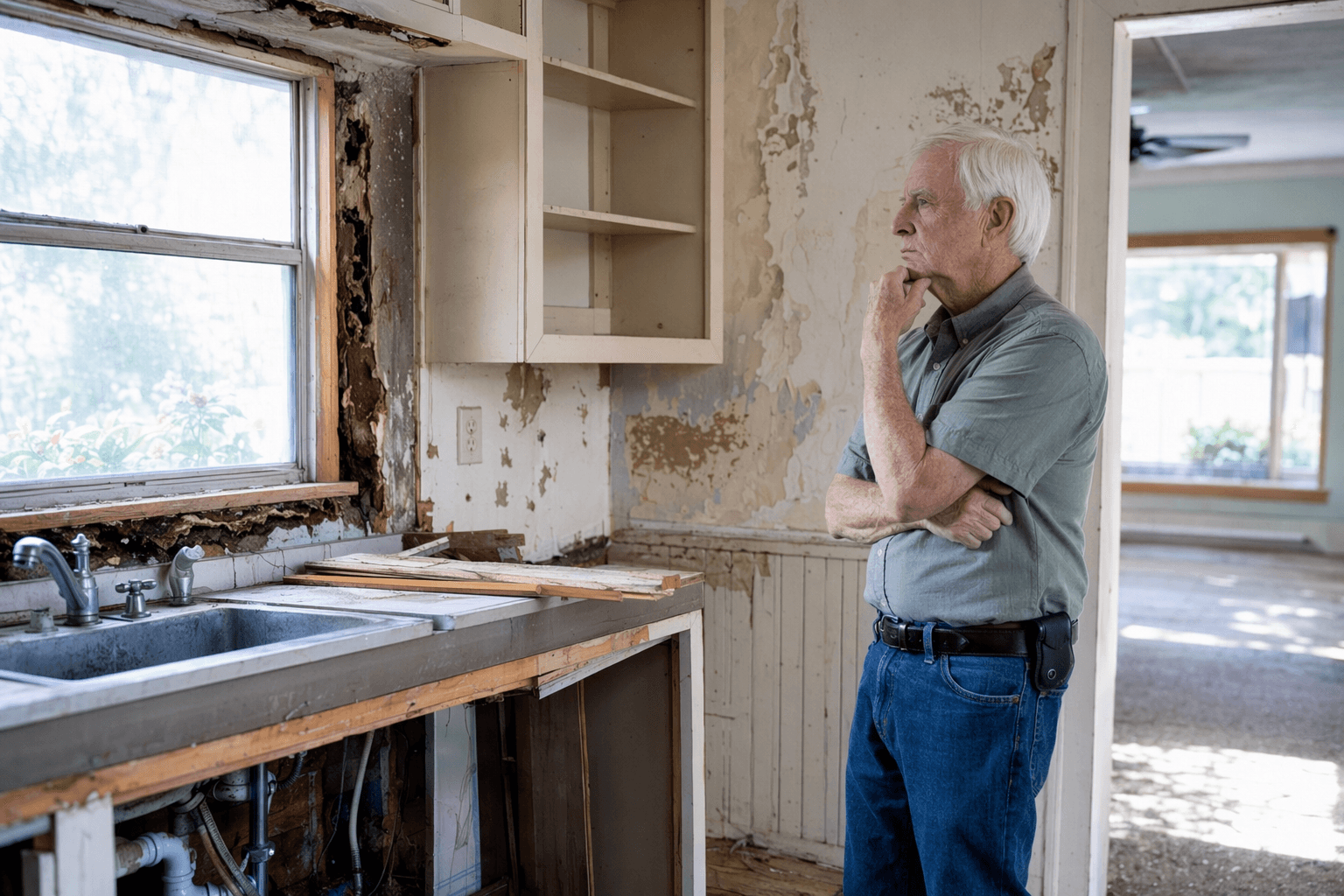
For many retirees, the house is supposed to be the backup nest egg. But as homes age and maintenance slips, that cushion can shrink fast, leaving older owners with less money than they expected when they sell.
Recent research finds that homeowners over 70 begin receiving lower sale prices, and the discount widens with age. Two factors stand out: deferred maintenance, which can leave buyers facing a long repair list, and private sales, which can weaken pricing power compared with a broader market listing. The practical result is stark: years of postponed upkeep can translate into thousands of dollars lost at closing.
That risk matters because older Americans now hold a larger share of the nation’s housing wealth. Fannie Mae said in February 2024 that adults 60 and older represented 44% of homeowners. The U.S. Census Bureau also reported that the older population grew 13.0% from 2020 to 2024, while the number of children fell 1.7%. Over that same span, the number of states where older adults outnumbered children jumped from three to 11, and older residents now outnumber children in nearly half of U.S. counties.
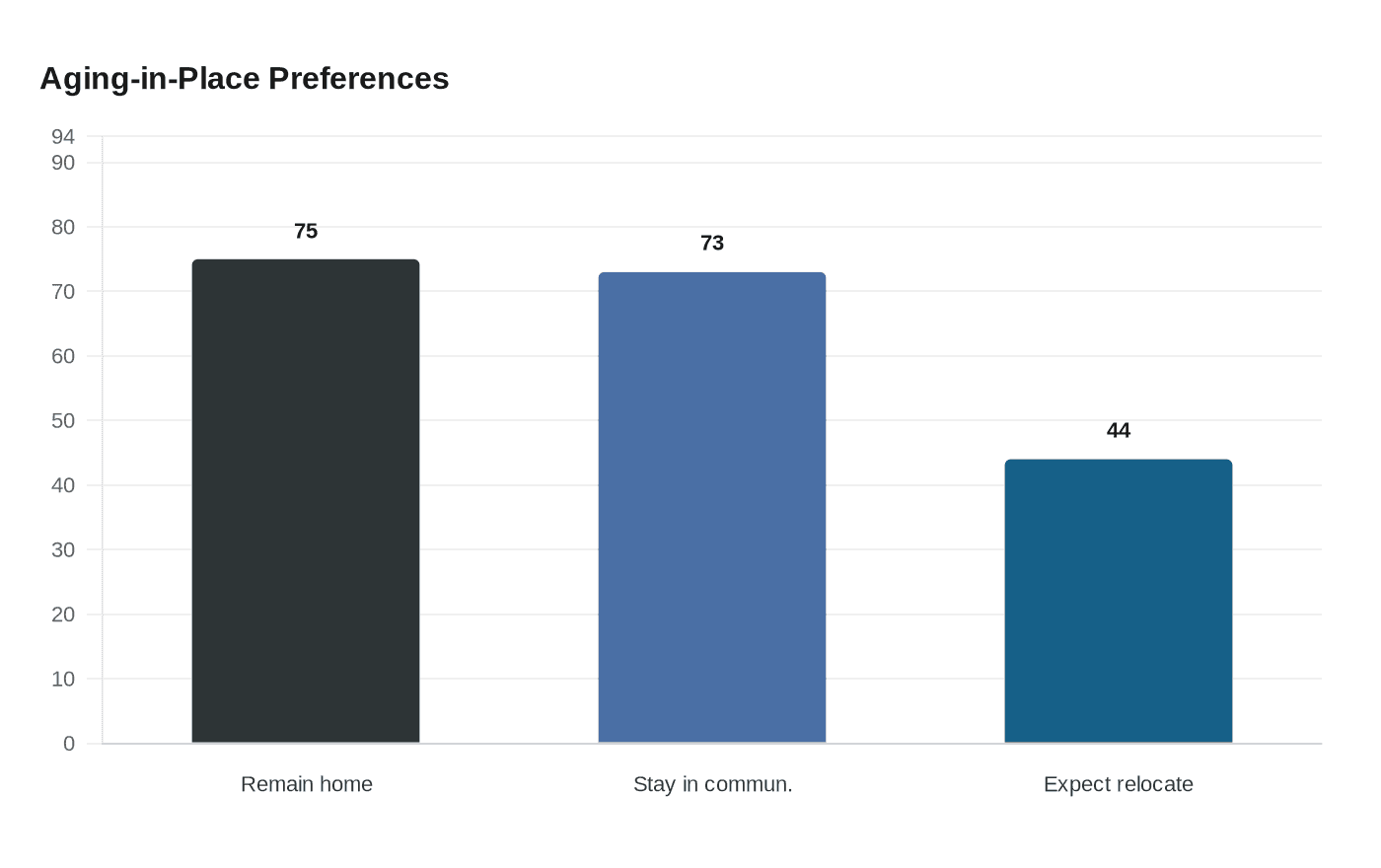
Many older owners still want to stay put. AARP’s 2024 Home and Community Preferences Survey found that 75% of adults 50-plus wanted to remain in their homes and 73% wanted to stay in their communities. Yet the same survey found 44% expected to relocate, with housing costs, property maintenance and taxes among the pressures pushing that decision.
The larger housing stock is working against them. The National Association of Home Builders said in 2025 that almost half of owner-occupied homes in the United States were built before 1980, with a median age of 41 years. AARP says only about 10% of homes are fully prepared for senior living. Even modest aging-in-place upgrades, such as grab bars, step-free entries and accessible bathrooms, can add up quickly, while larger repairs on an aging house can be far more expensive.
The financial trade-off is becoming harder to ignore. The Federal Reserve’s 2022 Survey of Consumer Finances remains the latest national wealth data, and Urban Institute research has warned that many older homeowners hold substantial home equity but remain reluctant to tap it. Harvard’s Joint Center for Housing Studies said in 2023 that the U.S. is not ready to provide affordable housing and care for an aging population, especially as the first baby boomers turn 80 and demand grows for accessible housing and services. In that setting, home equity may look like a safety net, but deferred maintenance can leave it with more holes than many retirees planned for.
This article was produced by Prism’s automated news system from verified source data, official records, and press releases, then run through automated quality and moderation checks before publishing. The system is built and supervised by the people who set the standards it runs under. Read our full AI policy.
Did this article answer your question?