Older women embrace roommate living as housing costs soar
More than 1 million Americans over 65 shared homes with unrelated roommates in 2024 as older women sought relief from rising rents and fixed incomes.
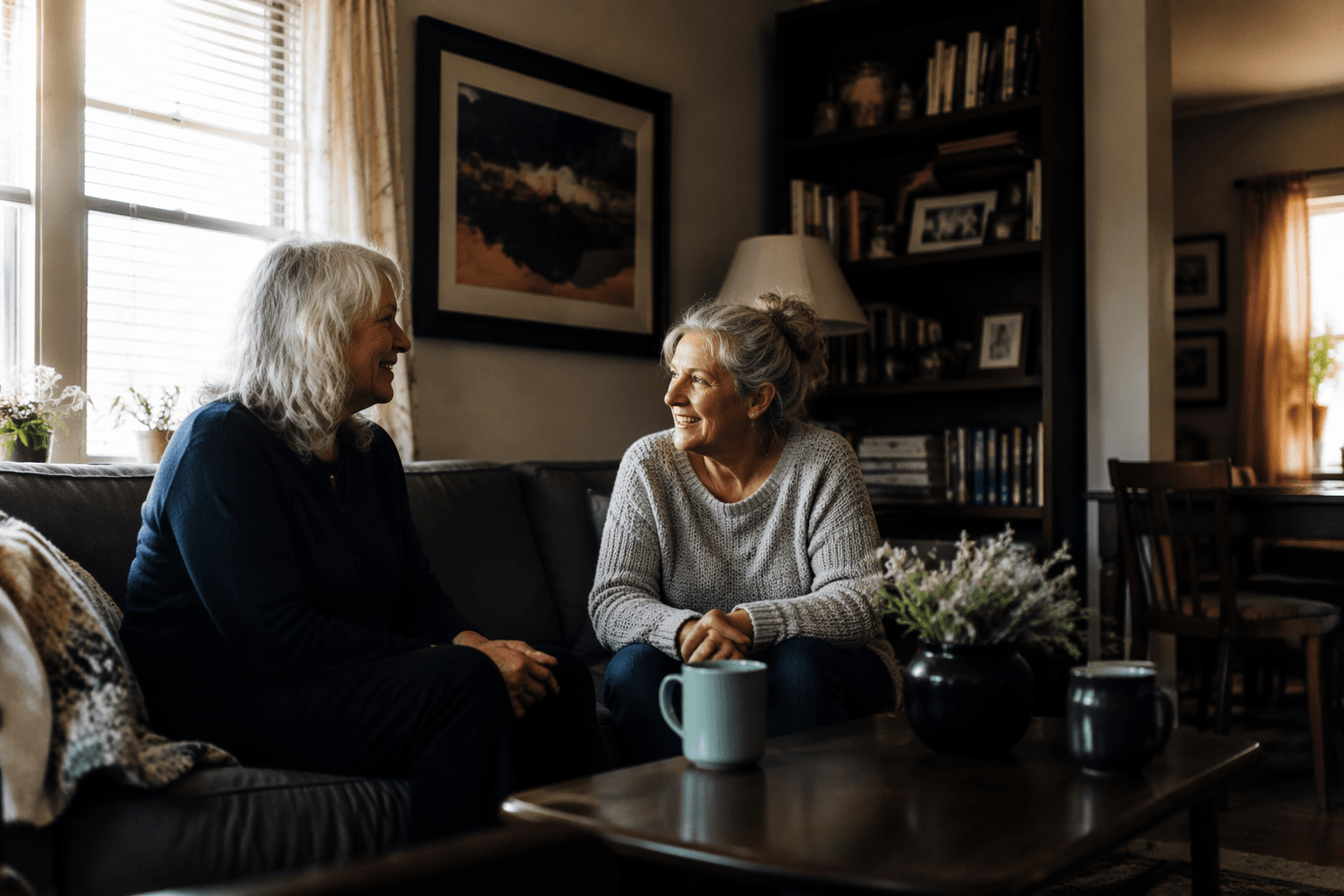
Harvard’s Joint Center for Housing Studies said housing unaffordability reached new highs in 2024, and that pressure is pushing more older women into shared housing once seen as a niche arrangement. The center found that about a third of households headed by someone 65 or older were cost-burdened last year, a level that has made roommate living look less like a novelty than a financial necessity.
The shift is showing up in national household data. More than 1 million Americans over 65 lived with roommates they were not related to in 2024, a 16 percent increase from 2019. Harvard also found that over the past decade the number of older women who rent or own their homes rose by 37 percent, 7 percentage points more than households headed by older men, underscoring how the housing squeeze is landing differently on aging women.
The demographic backdrop is making the pressure harder to ignore. The U.S. population age 65 and over grew 34 percent in the last decade, from 43 million in 2012 to 58 million in 2022, and Harvard says the fastest growth in the coming decade will be among people over 80, a group more likely to need accessible housing and support. That means housing decisions are increasingly tied to health, caregiving and the ability to stay in place.
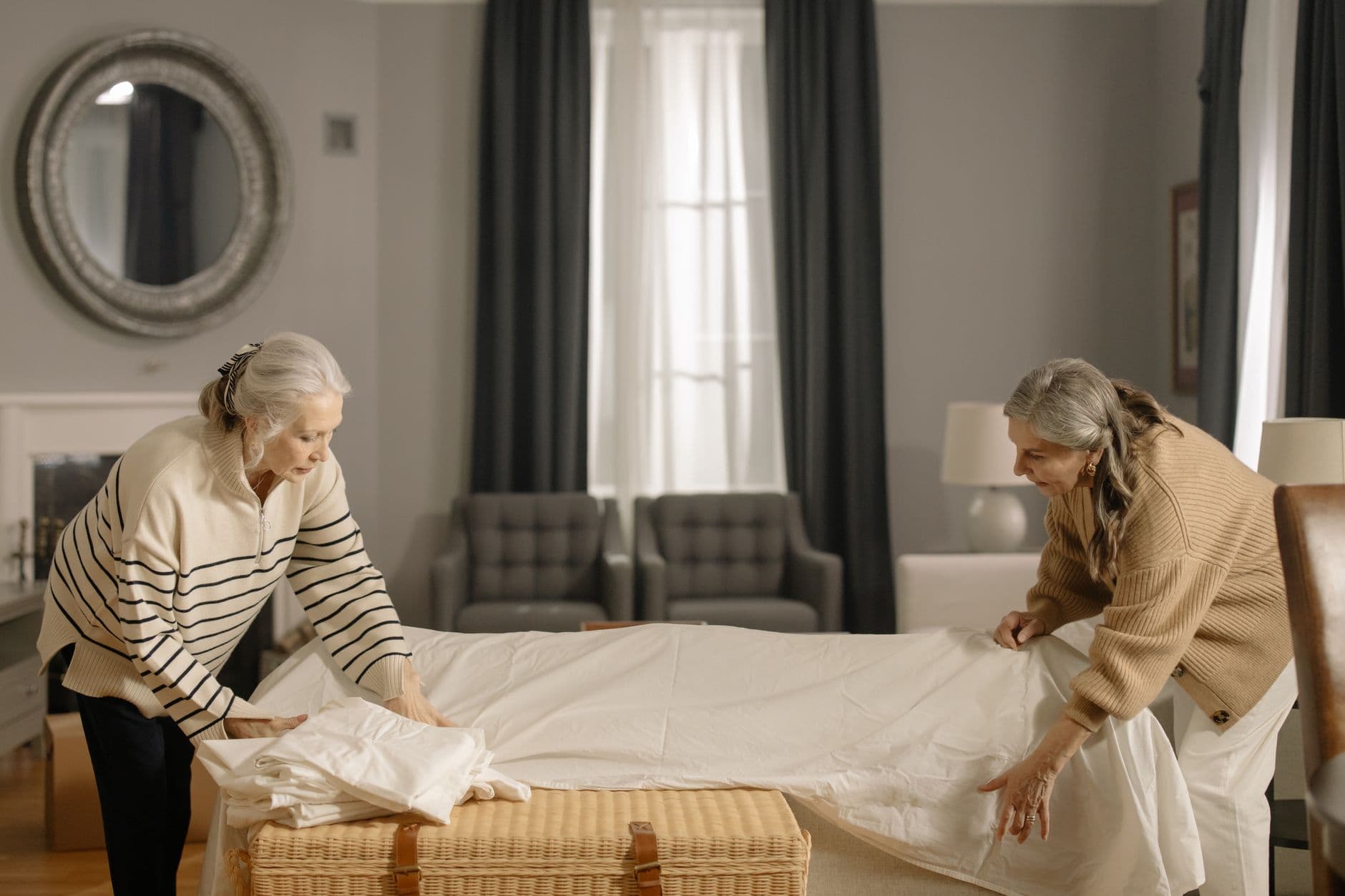
For many women, the appeal of shared housing is practical. Fixed incomes, divorce, widowhood and caregiving demands can make single-occupancy housing hard to sustain, especially as rents and other living costs climb. Housing advocates have increasingly described these arrangements as Golden Girls housing or boommates, a reference to the television-era image of older women pooling resources under one roof while keeping independence. The model can lower monthly costs and provide companionship, two needs that often collide in later life.
The idea is not new. The New York Foundation for Senior Citizens has run a home-sharing program since 1981, linking older adults with extra space to compatible guests, and AARP has covered older women sharing homes to save money and avoid loneliness for years. AARP published a piece on older women and house-sharing in 2013, then followed with a 2022 guide on having a roommate to cut housing costs. Those long-running efforts now sit alongside a sharper reality: for many older women, shared housing is no longer an experiment in aging differently. It is a response to a retirement system that is leaving too many people one rent increase away from instability.
This article was produced by Prism’s automated news system from verified source data, official records, and press releases, then run through automated quality and moderation checks before publishing. The system is built and supervised by the people who set the standards it runs under. Read our full AI policy.
Did this article answer your question?