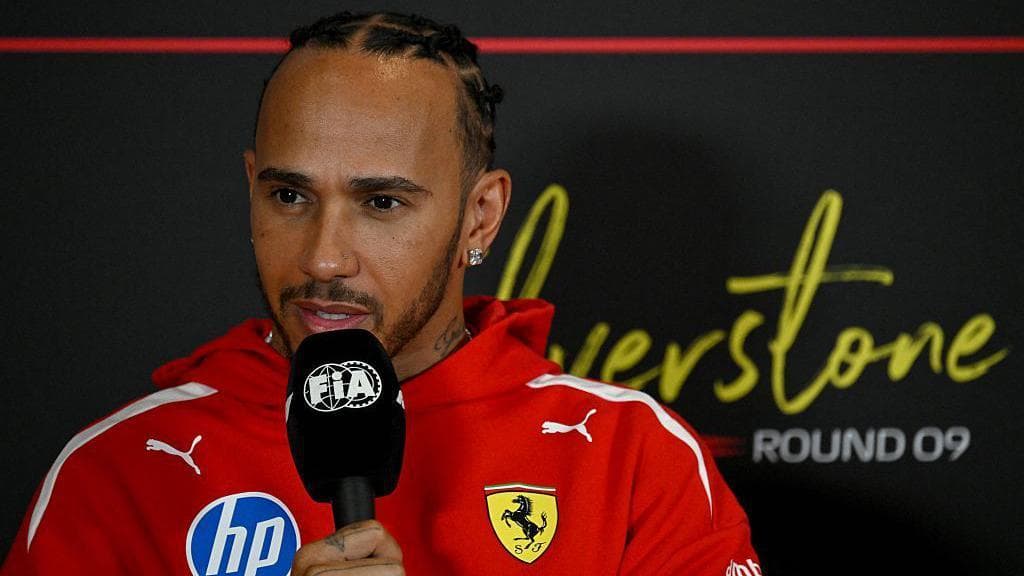
Olympics show how sport can unite nations and inspire peace
From Paris 2024 to England’s 2018 World Cup run, sport keeps proving it can cross divides, but only when athletes and institutions turn spectacle into shared purpose.
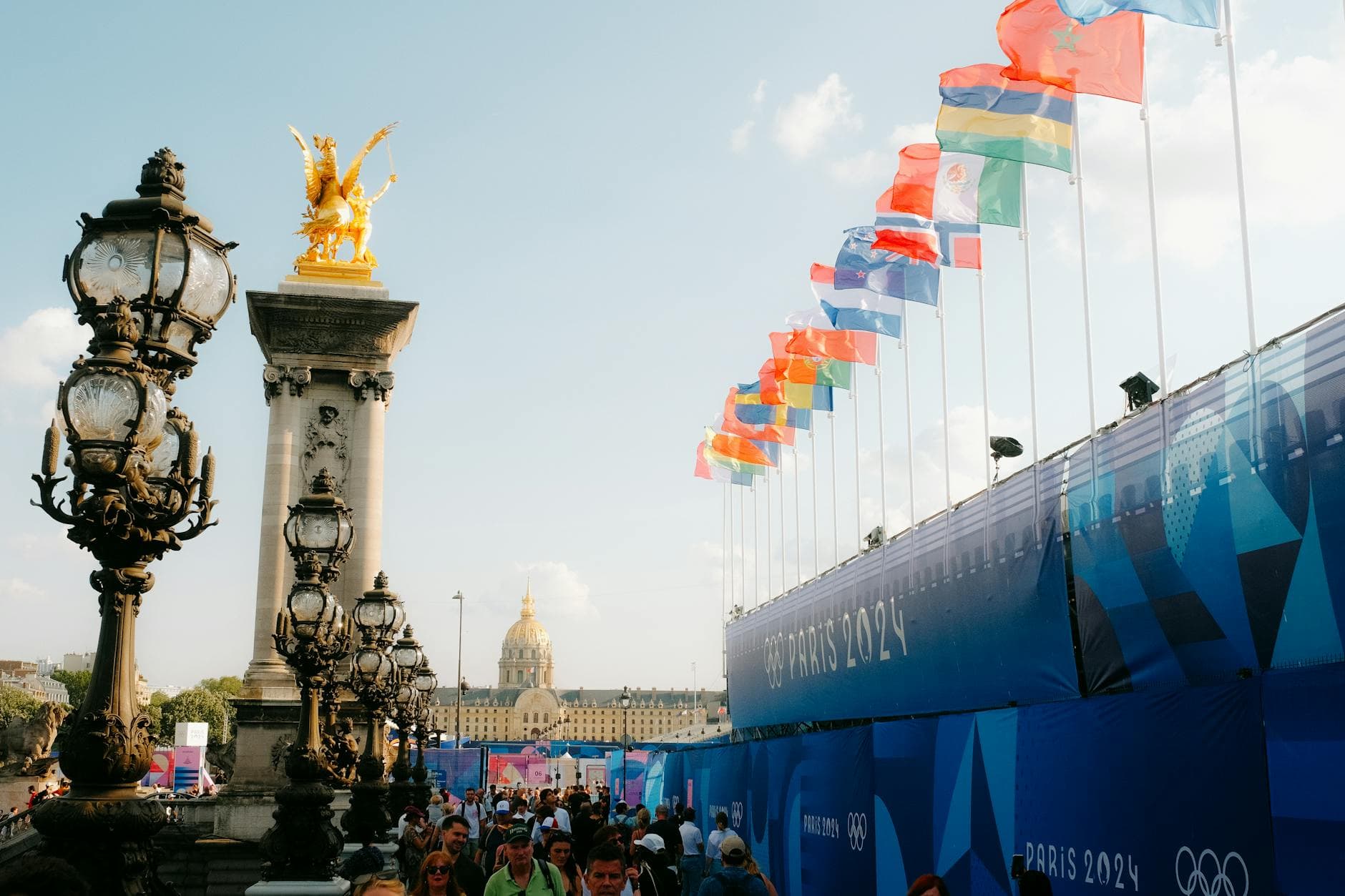
The Olympic idea
The Olympics endure because they are built around a civic claim as much as a sporting one. The movement’s three values are excellence, respect and friendship, and its stated purpose is to help build a peaceful and better world through sport practiced without discrimination. That is also why the United Nations General Assembly marked April 6 as the International Day of Sport for Development and Peace, recognizing sport’s unusual ability to attract, mobilize and inspire people across borders.
That idea is not abstract. In Paris 2024, the International Olympic Committee said the Games showcased sport’s ability to bring people together and foster a culture of peace. The message matters because the Olympics are one of the few global events where national identity, individual performance and collective symbolism collide on the same stage. When the IOC talks about unity, it is not just describing ceremony, but a recurring effort to make competition feel like common ground.
Why the numbers matter
The reach of the modern Olympics explains why the Games can carry that kind of symbolic weight. The inaugural modern Games in 1896 featured about 280 male athletes from 12 countries. By Atlanta 1996, the event had become a truly global gathering, with 10,318 athletes representing 197 National Olympic Committees. That scale turned the Olympics into more than a tournament. It became a place where nearly every corner of the sporting world could appear under a single set of rules.
That growth also shows why athletes resonate beyond the scoreboard. In the space of a century, the Games moved from a small revival of an ancient idea to one of the world’s most-watched sporting events. The larger the audience, the more each medal, protest gesture or shared celebration can become a signal about who belongs, who is seen and what kind of community the sport is trying to build. The Olympic promise has always depended on that tension between elite performance and public meaning.
When sport becomes civic language
The Olympic model has echoes well beyond the Games themselves. The NBA once recommended that teams address fans or show videos with themes of unity before home games, while also reminding players of anthem rules. That advice captures a modern reality: leagues know they are not just entertainment businesses, they are public stages where social cohesion can be encouraged, managed and sometimes contested.
AP coverage has repeatedly shown how athletes can become symbols for causes that reach far beyond the box score. Serena Williams publicly praised Colin Kaepernick and Eric Reid for their protests, connecting elite sport to the broader debate over race, patriotism and civic voice. At the University of Missouri, football players helped drive a campus protest over racism, proving that athlete influence can move from symbolic statements to institutional change. At the University of Louisville, Native American fans rallied around Shoni and Jude Schimmel, showing how representation can turn a team into a point of belonging for communities that rarely see themselves centered in major sports coverage.
These examples matter because they show sport’s connective tissue at work. It can give people a language for grievance, pride and solidarity that politics alone sometimes fails to supply. But the examples also show that unity in sport is not neutral. It often emerges in response to division, not in the absence of it.
The power, and the limit, of shared moments
England’s run to the 2018 World Cup provided a clear example of how a team can briefly bind a fractured country together. AP reported that the campaign became a source of pride and unity in a nation marked by economic, political and social divisions. That is the real measure of sport’s civic power: not that it solves those divisions, but that it can still create a public moment in which people who disagree on almost everything root for the same outcome.
The same limit applies to the Olympics. A ceremony, a medal table or a stirring team run can create shared feeling, but those moments are fragile unless institutions, athletes and fans give them substance. The Olympic movement’s language about peace and understanding is strongest when it is paired with broad participation, visible inclusion and rules that treat competitors as equals. Without that, unity becomes a slogan rather than a social force.
That is why the Olympics remain so important in a polarized world. They show that sport can do something politics often cannot: assemble rival nations, communities and identities inside a common ritual and ask them to compete without erasing one another. The achievement is temporary, but it is real. And in a world where common ground is scarce, even a temporary truce can be a powerful civic event.
This article was produced by Prism’s automated news system from verified source data, official records, and press releases, then run through automated quality and moderation checks before publishing. The system is built and supervised by the people who set the standards it runs under. Read our full AI policy.
Did this article answer your question?