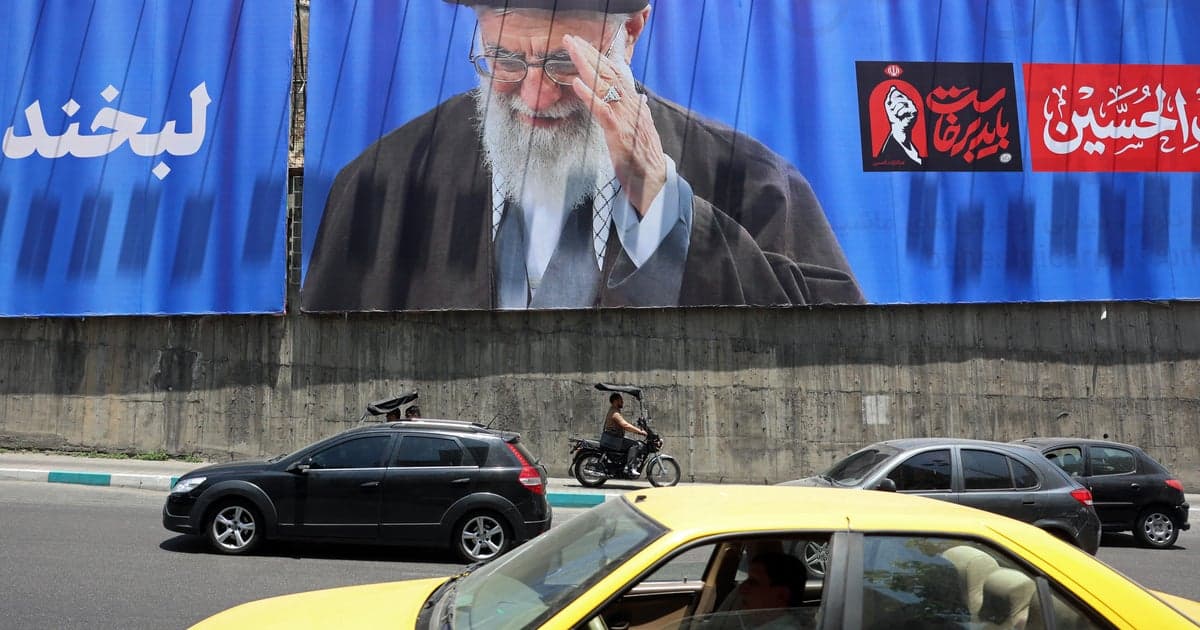
Oman confirms third round of U.S.-Iran talks in Geneva, oil retreats from $71
Oman says a third tranche of indirect U.S.-Iran nuclear talks will continue in Geneva on Thursday; Iran offers a draft and markets pulled back from a $71 oil peak.
Oman’s foreign minister confirmed on Sunday that the United States and Iran will resume a third round of indirect nuclear negotiations in Geneva on Thursday, a development that helped oil retreat from a six-month high of $71. The talks, mediated by Sayyid Badr bin Hamad bin Hamood Albusaidi of Oman, are the latest attempt to bridge a gap over uranium enrichment and sanctions relief.
Iran’s top diplomat, Abbas Araghchi, is expected to meet U.S. special envoy to the Middle East Steve Witkoff in Geneva. Araghchi has been conducting an active media campaign in recent days, appearing on U.S. programs and telling CBS News that Iran is “still working on” a proposal and is “prepared to talk and negotiate on those drafts,” adding that a “good chance” remained for a diplomatic solution. He has said the proposal could be ready to share “within days.”
The resumption follows two earlier exchanges this month: initial talks in Oman and a Feb. 17 session in Geneva where the sides agreed on “broad guiding principles” for a possible deal. Officials and participants have framed the coming talks as a focused negotiation on Iran’s nuclear program alone; Tehran has made clear it will not discuss missiles or regional proxies at the Geneva meetings.
The central obstacle remains uranium enrichment. Washington maintains that Iran must not have nuclear weapons or the capacity to build them and has publicly insisted Iran cannot enrich uranium. Iran counters that its nuclear program is exclusively civilian and that it has the sovereign right to enrich. Araghchi told CBS that his U.S. counterparts had not asked for zero enrichment as part of the latest round, a characterization that multiple sources note is “not what U.S. officials have said publicly.”
Omani officials described progress in conciliatory terms. Albusaidi said he was pleased with developments and that there had been a “positive push to go the extra mile to finalize the deal.” Iranian President Masoud Pezeshkian posted on social media that Tehran was “committed to peace and stability in the region,” saying the negotiations had “yielded encouraging signals” while emphasizing readiness to confront “any potential scenario.”
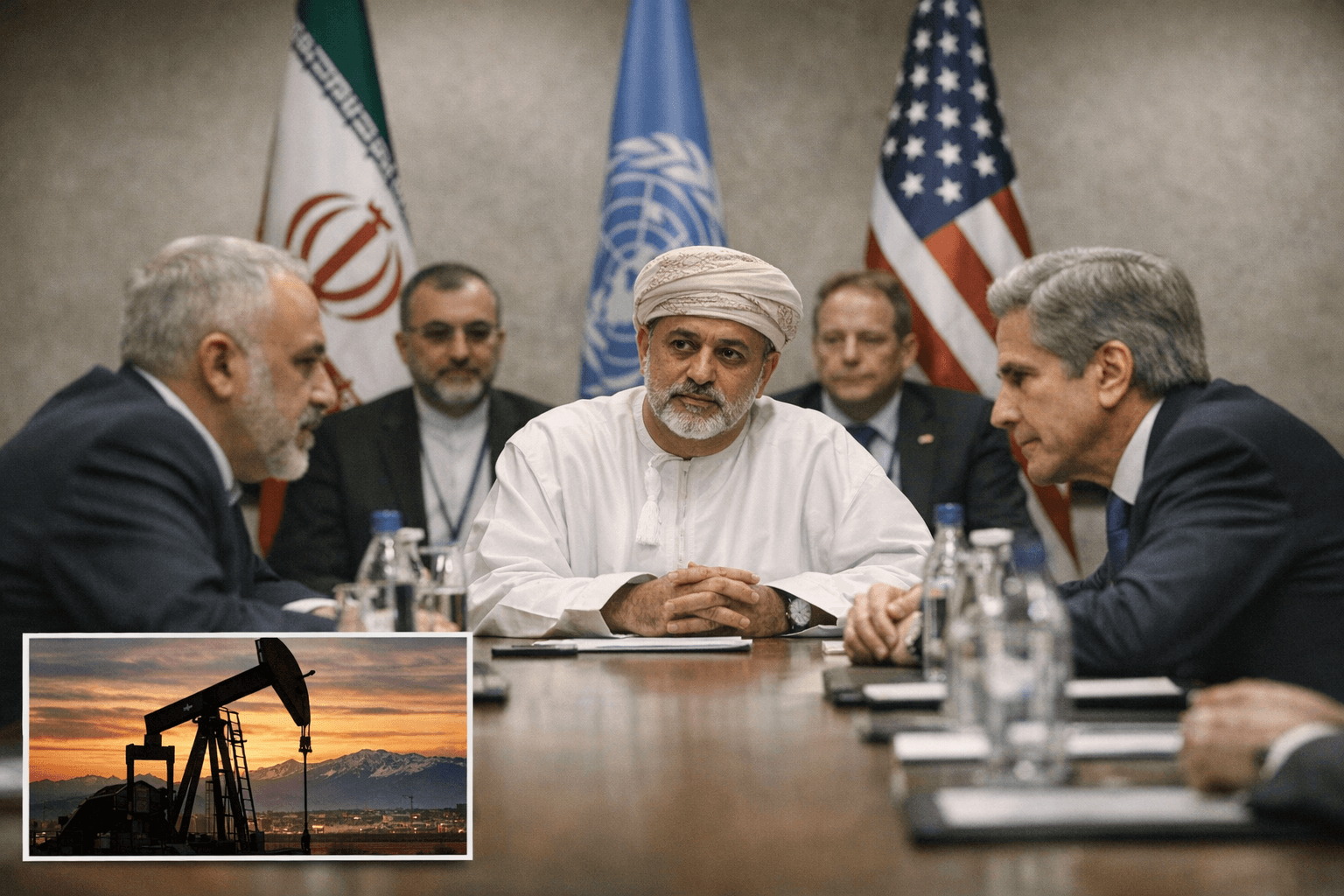
The diplomatic push is taking place under the shadow of heightened military tensions. The United States has deployed a significant force to the region and President Donald Trump has warned that military options remain on the table, even as diplomats pursue talks. Araghchi has also warned of Iran’s right to self-defense; one reported remark captured a stark tone, saying “We have to hit, you know, the American base in the region,” a line attributed to him in coverage of his interviews.
Markets reacted quickly to the Omani confirmation. Brent crude had rallied to $71 last week on Iran related supply fears and then eased after news of continued negotiations. Ed Bell, acting chief economist at Emirates NBD, said, “The geopolitical atmosphere, at least for today, has moderated a little bit.”
Domestic pressures add urgency for Tehran. Students staged rallies over the weekend in Tehran and other cities, marking the first major demonstrations since a deadly crackdown in January. With a draft reportedly imminent and a third round set for Thursday, diplomats on both sides face a narrow window to translate broad principles into a concrete agreement that addresses enrichment, sanctions relief, and regional stability.
This article was produced by Prism’s automated news system from verified source data, official records, and press releases, then run through automated quality and moderation checks before publishing. The system is built and supervised by the people who set the standards it runs under. Read our full AI policy.
Did this article answer your question?