Omnicom Cuts Over Four Thousand Jobs, Consolidates Iconic Ad Brands
Omnicom Group said it will lay off more than 4,000 employees and fold several legacy advertising brands as it moves to integrate Interpublic following a $13 billion takeover, a shift that underscores accelerating consolidation in the ad industry. The restructuring, aimed at deeper cost synergies and greater scale, matters to clients, competitors and workers as AI and platform competition reshape where ad dollars flow.
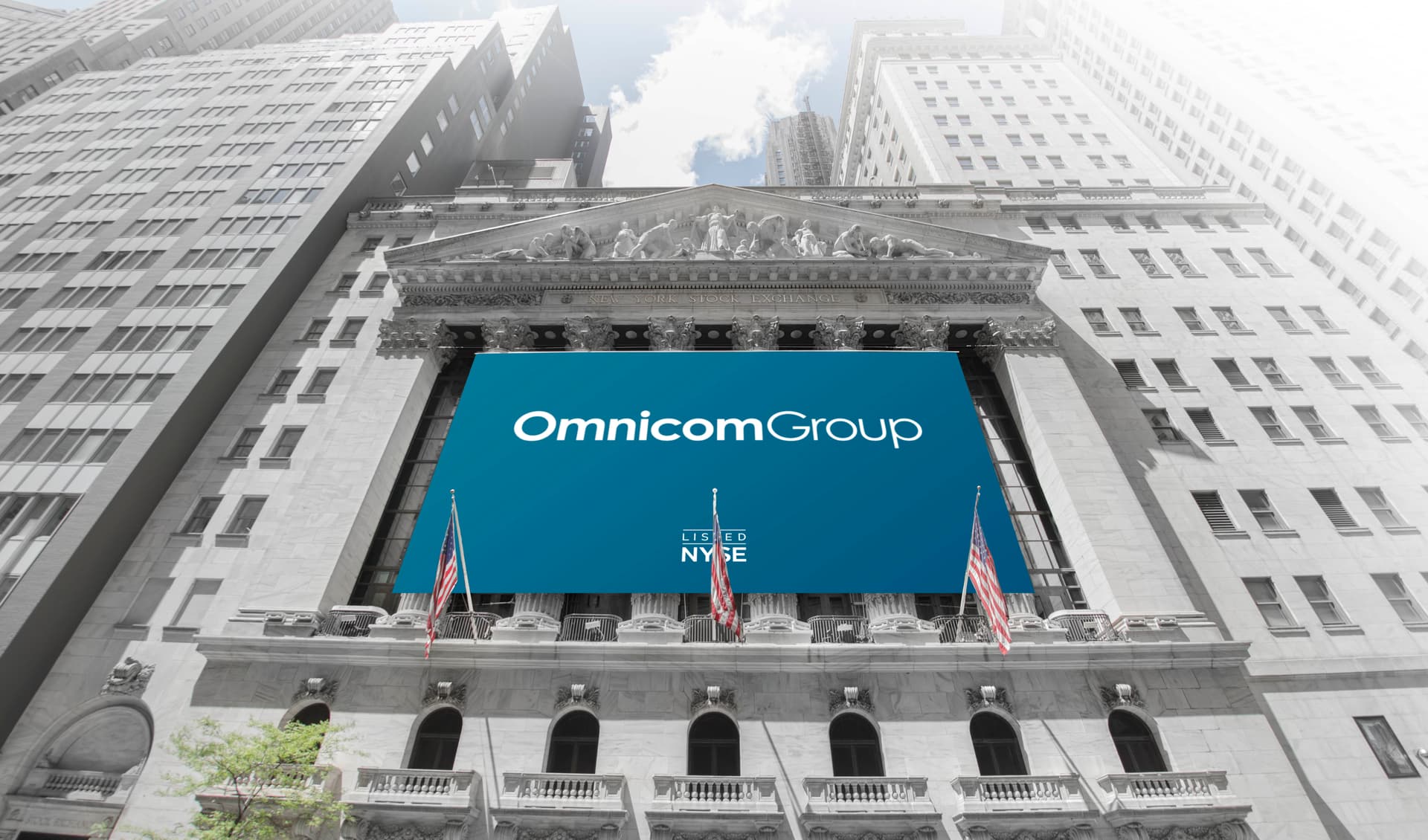
Omnicom Group announced on December 1 that it will eliminate more than 4,000 positions and fold several well known advertising agency brands as part of the integration following its $13 billion acquisition of Interpublic Group. The company said the moves will combine agencies including DDB and MullenLowe into Omnicom’s TBWA network and fold IPG’s FCB into Omnicom’s BBDO, concentrating creative operations under a smaller set of flagship agencies.
Company officials said most of the cuts will be in administrative roles, though some leadership positions will be affected. The restructuring is expected to deliver financial benefits that exceed the $750 million in annual cost savings Omnicom had previously projected. Reuters reported the announcement, which was first disclosed by the Financial Times.
The plan marks one of the industry’s largest post merger reorganizations in years and highlights a broader trend toward consolidation as global clients demand integrated digital, data and creative services. Executives at holding companies have repeatedly pointed to scale as a response to pressure on margins from both new technology driven creative tools and competition from big tech platforms for advertising budgets.
For employees and local markets, the immediate impact will be substantial. More than 4,000 roles cut at two of the world’s largest advertising groups represents a material shock to professional services employment in creative and support functions. Omnicom said it would focus the reduction on administrative roles, which suggests finance, human resources, operations and other back office functions will bear much of the burden. The company also acknowledged that some leadership roles will be merged or eliminated as overlapping teams are combined.
For clients, the consolidation offers potential benefits and risks. A streamlined agency roster could reduce duplication and speed decision making for multinational advertisers seeking unified global campaigns. At the same time, consolidation can reduce vendor choice and bargaining leverage for advertisers, potentially reshaping fee structures and innovation incentives over time.

Investors have long rewarded scale in the holding company model, but the announcement highlights how value creation from mergers increasingly depends on aggressive cost cutting and operational integration rather than solely on revenue gains. The reference to cost synergies exceeding previous projections signals that Omnicom expects deeper efficiency gains, which could bolster margins but also intensify scrutiny from clients and regulators.
The move also underscores the structural shifts facing the advertising sector. AI driven creative tools are enabling rapid content generation and data driven ad targeting, reducing the premium historically placed on large creative rosters. At the same time, dominant technology platforms continue to capture growing shares of global advertising spend, forcing traditional agencies to reinvent their service mix.
As the industry digests the implications, regulators, clients and employees will watch how the merged entity balances efficiency with creative capacity and client service. The cuts are likely to accelerate debates over the future division of labor between human creatives and automated tools, and over how scale will translate into long term competitive advantage in a market increasingly governed by data and platforms.
This article was produced by Prism’s automated news system from verified source data, official records, and press releases, then run through automated quality and moderation checks before publishing. The system is built and supervised by the people who set the standards it runs under. Read our full AI policy.
Did this article answer your question?

