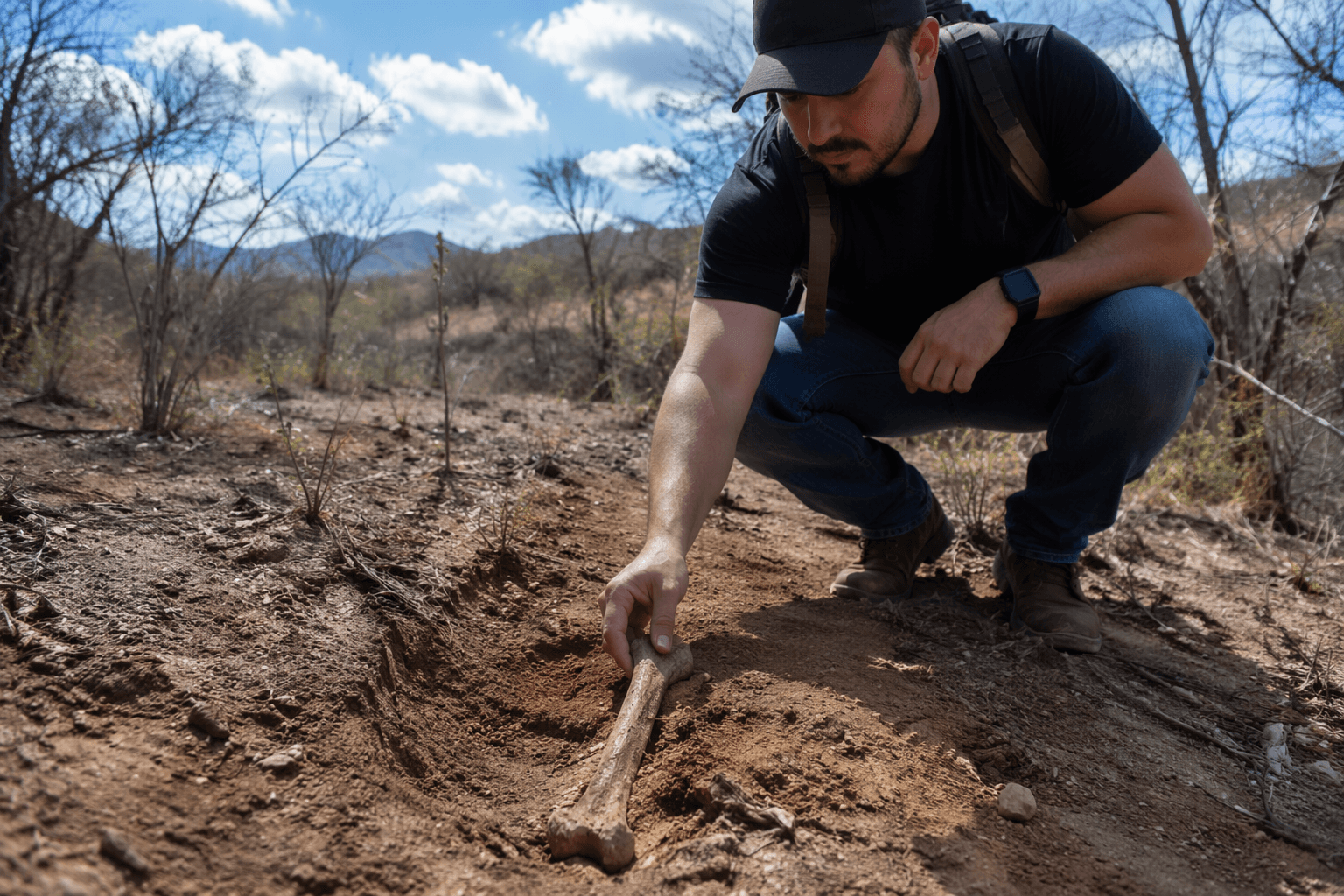
On Memorial Day, military families mourn Iran conflict dead, including women
Memorial Day found military families mourning 13 U.S. service members killed in the Iran conflict, including women whose deaths are still too rarely centered in public memory.
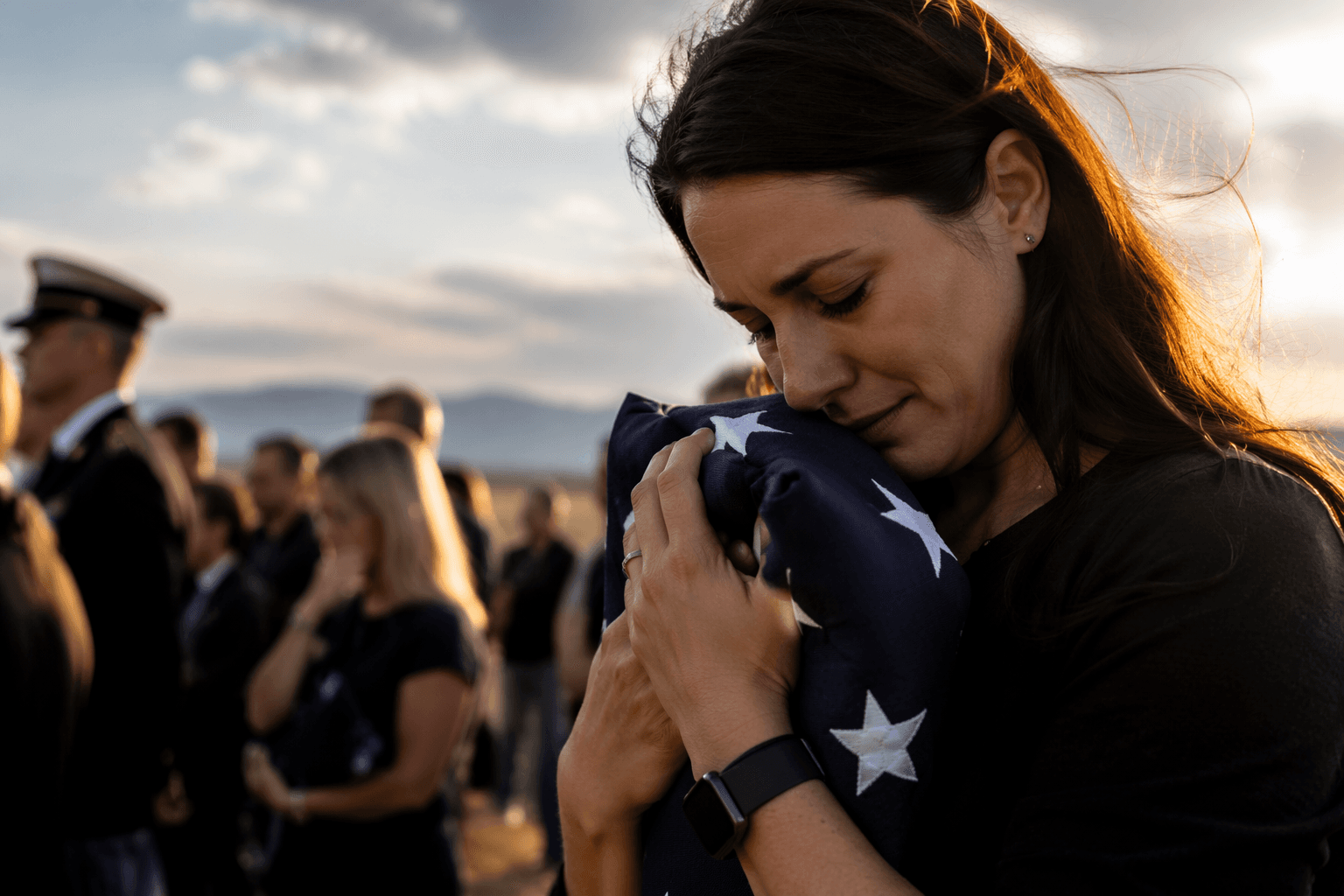
Female combat deaths have become a more visible part of modern war, and Memorial Day again put that burden on military families already navigating loss without mothers and wives at the center of the story. The Defense Casualty Analysis System lists 123 total U.S. military deaths in Operation Inherent Resolve as of May 15, 2026, including 25 hostile deaths and 10 female deaths, a reminder that the people carried home in flag-draped coffins now reflect a wider slice of the force.
Among the fallen were Navy Seaman Yeshabel VillotCarrasco and Air Force 1st Lt. Anais Alejandra Tobar, names that appear in DCAS’s names-of-fallen database and illustrate how those losses reach far beyond military statistics. The same database records the dead across multiple branches, underscoring that the sacrifice of the Iran conflict has been spread across the services and across families that must absorb the news, plan funerals and carry the empty places left behind.
This year’s Memorial Day came amid renewed attention to the war’s dead, after media coverage said 13 U.S. service members were killed. The White House also held a tribute to military mothers, and first lady Melania Trump used the moment to acknowledge the grief of Gold Star families and spouses, bringing attention to the household aftermath of combat that official casualty counts cannot show.
The changing face of loss matters because women have served in every war since the founding of the United States, according to the U.S. Army Center of Military History. Yet the National Women’s History Alliance says women who served and died have too often disappeared from Memorial Day remembrance, even as their service and sacrifice are woven into the country’s military history. The gap is especially striking now, when women are a visible share of those killed in modern conflict and their names still risk fading after the ceremonies end.
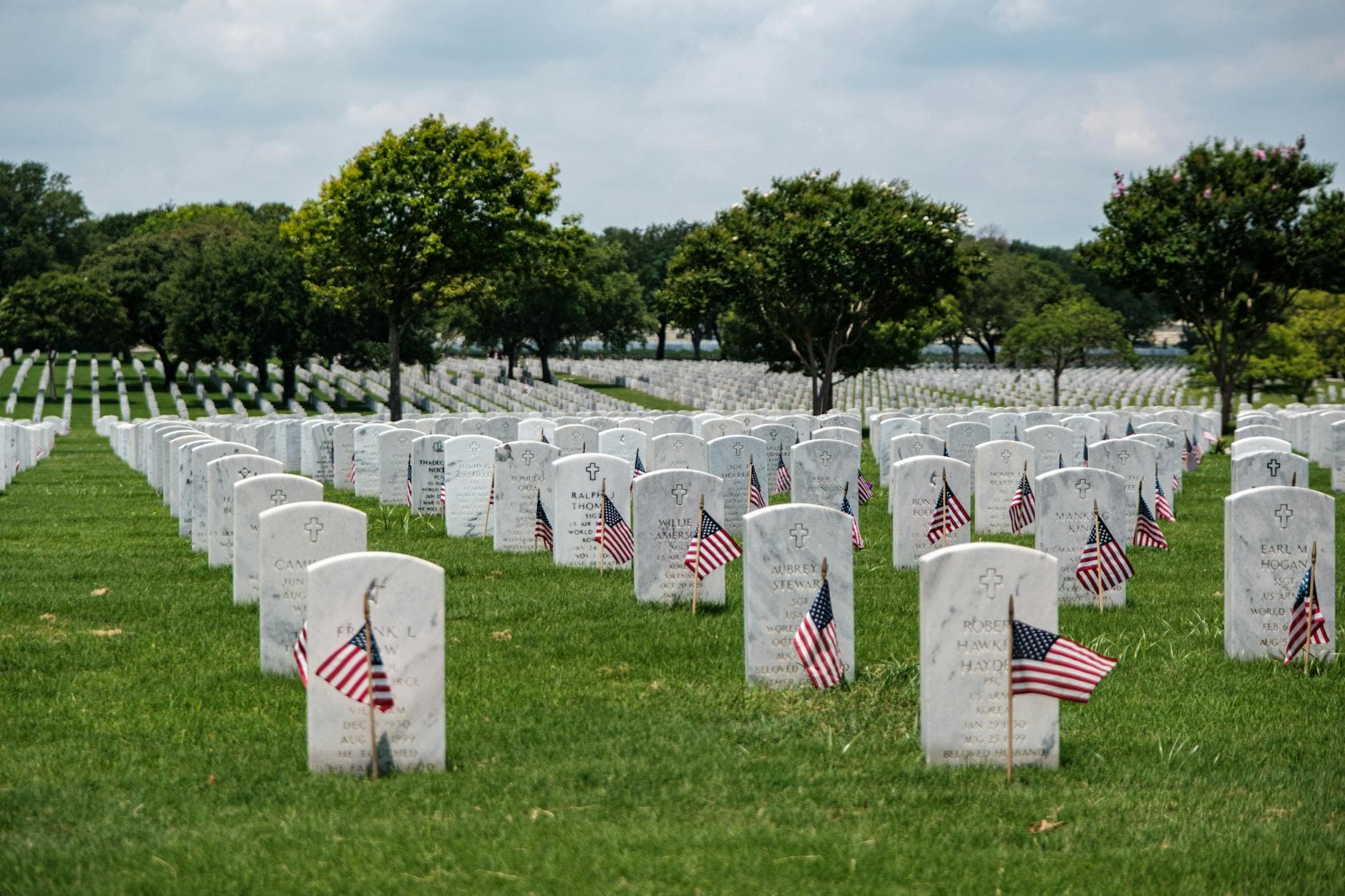
The broader casualty record helps explain why these losses stand out. Defense Casualty Analysis System data reaches back to the American Revolutionary War, but modern military deaths have shifted sharply away from combat. USAFacts reports that more than 80% of active-duty deaths since 1980 have come from accidents, illness and suicide or self-inflicted wounds, making hostile deaths, and especially hostile deaths among women, a rarer and more unsettling marker of war.
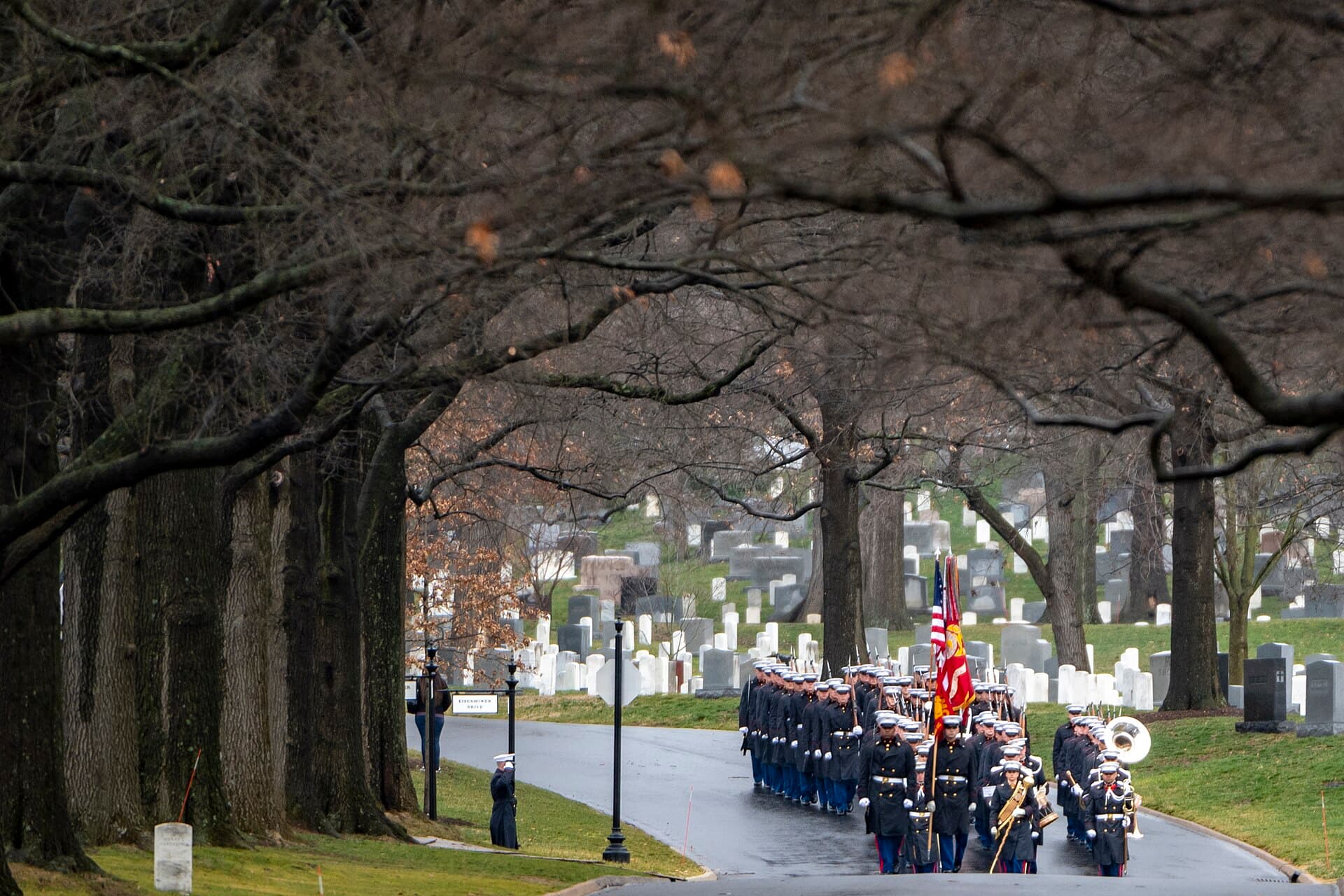
On Memorial Day, that combination of old obligation and new battlefield reality defined the mourning. The country still honors the dead in the language of tradition, but the burden of sacrifice has changed, and the support structure around grieving families has not kept pace with the new shape of military service.
Know something we missed? Have a correction or additional information?
Submit a Tip