Ontario helpline calls for gambling spike after online market privatization
A CMAJ study found ConnexOntario gambling contacts rose sharply, with calls from males 15–24 up to 317% after PlayOLG and the 2022 online market opening.

A peer‑reviewed study published March 2, 2026, in the Canadian Medical Association Journal found gambling‑related contacts to Ontario’s ConnexOntario helpline rose sharply after two policy shifts: the government launch of PlayOLG in January 2015 and the privatization and expansion of online gambling in April 2022. The analysis, covering January 2012 through September 2025, recorded more than 745,700 total ConnexOntario contacts and roughly 37,000 that were gambling related.
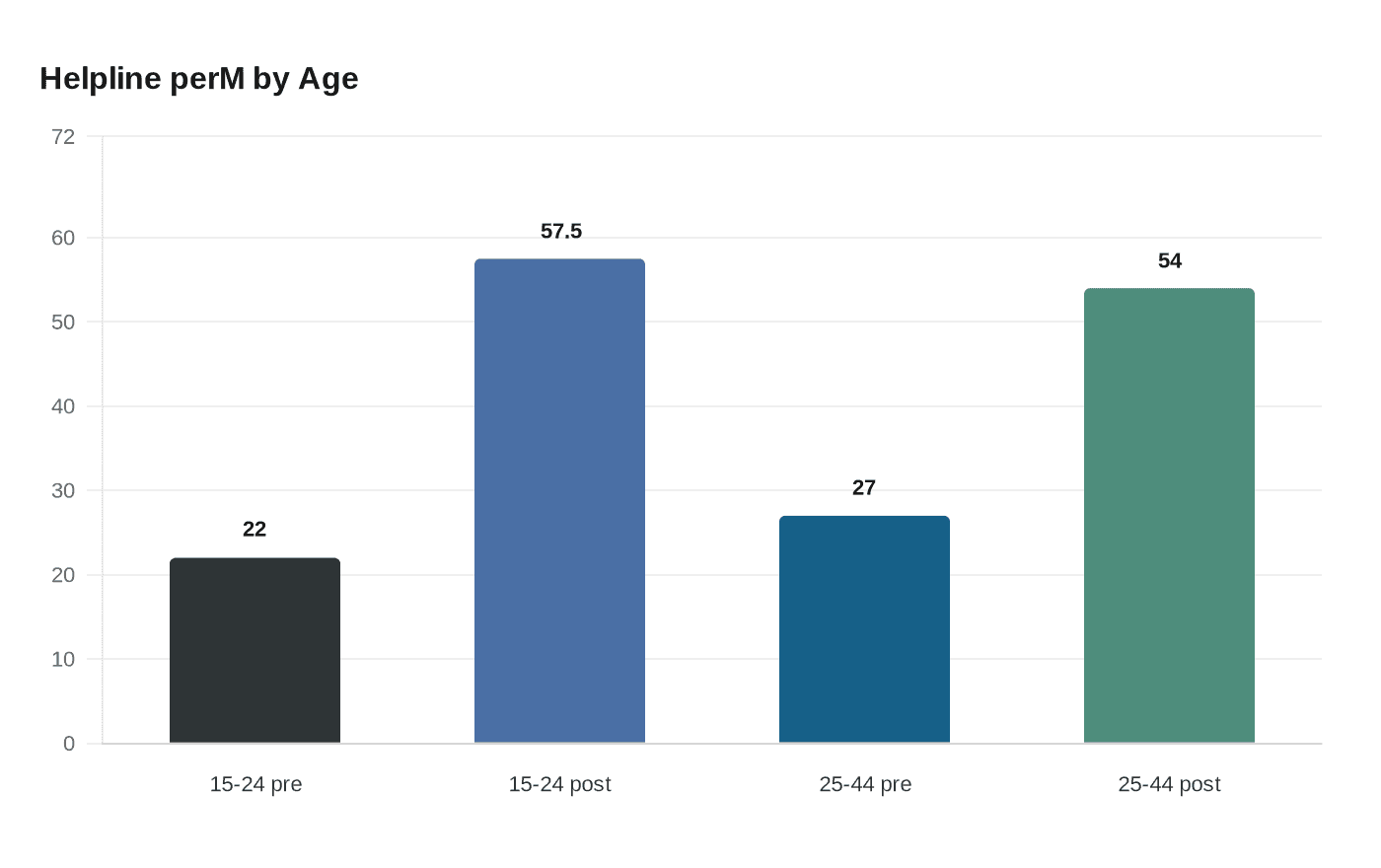
The paper reports concentrated increases among males aged 15 to 44, with the largest relative jumps in adolescent boys and young men. Depending on the comparison window used, the study found that mean monthly gambling‑related outreach per million people for males 15–24 increased by as much as 317 percent when comparing pre‑PlayOLG periods to the interval after the 2022 privatization. Using a different baseline comparison, that same age group rose from about 22 per million to 57.5 per million, a 161 percent increase, between pre‑2022 averages and April 2022 through September 2025. Men aged 25–44 saw increases reported between roughly 99 percent and 108 percent across similar comparisons, rising from about 27 per million to 54 per million in one set of figures.
The authors frame the timing of those increases around market changes. The CMAJ paper states that the "rapid expansion and privatization of online gambling, including single‑event sports betting, in Ontario were respectively associated with marked increases in gambling‑related helpline contacts, specifically among adolescent boys and young men." Study co‑authors include Ryan Forrest, a doctoral student at the Dalla Lana School of Public Health, University of Toronto, and Daniel Myran, an associate professor at the University of Toronto and research chair at North York General Hospital.

Forrest described the impetus for the work as an observed proliferation of gambling promotion in the province. "Like many people in Ontario, I noticed an enormous increase in gambling advertising, and that shift was something that felt really rapid and visible," he said. "As a public health researcher, it made me curious: When access and promotion of gambling expands this quickly, do we see any measurable changes in health‑related outcomes? This study was an attempt to answer that."
Myran acknowledged that increased awareness of the helpline could be a partial explanation but warned it was unlikely to account for the full magnitude of the trend. "While better awareness of the hotline could be a factor, the spike may not be solely explained by people seeking help for existing problems," he said, adding that contacts "have gone up by 96 per cent overall after the opening up of the market and the legalization of single‑event sports gambling."
The study does not assert definitive causation but emphasizes temporal associations and population patterns consistent with greater availability and marketing of online betting. The authors note helplines are among the most used resources for gambling problems and call the observed increases an indication of population‑level rises in gambling problems, help‑seeking, or both.
Those findings carry clear policy implications. CMAJ recommends stronger prevention measures, including tighter restrictions on advertising, limits on gambling products considered highly addictive, and expanded treatment access. For provincial regulators and health planners, the study presents operational signals: helpline demand linked to market shifts, concentrated among young men, may presage increased need for treatment capacity, targeted prevention, and enforcement of age‑verification and advertising rules.
This article was produced by Prism’s automated news system from verified source data, official records, and press releases, then run through automated quality and moderation checks before publishing. The system is built and supervised by the people who set the standards it runs under. Read our full AI policy.
Did this article answer your question?

