Ontario police allege former Air Canada pilot flew for years unlicensed
Peel Regional Police say Dallas Pokornik flew hundreds of flights for nearly 17 years with fraudulent licensing documents. The case exposes gaps in airline screening and regulator oversight.
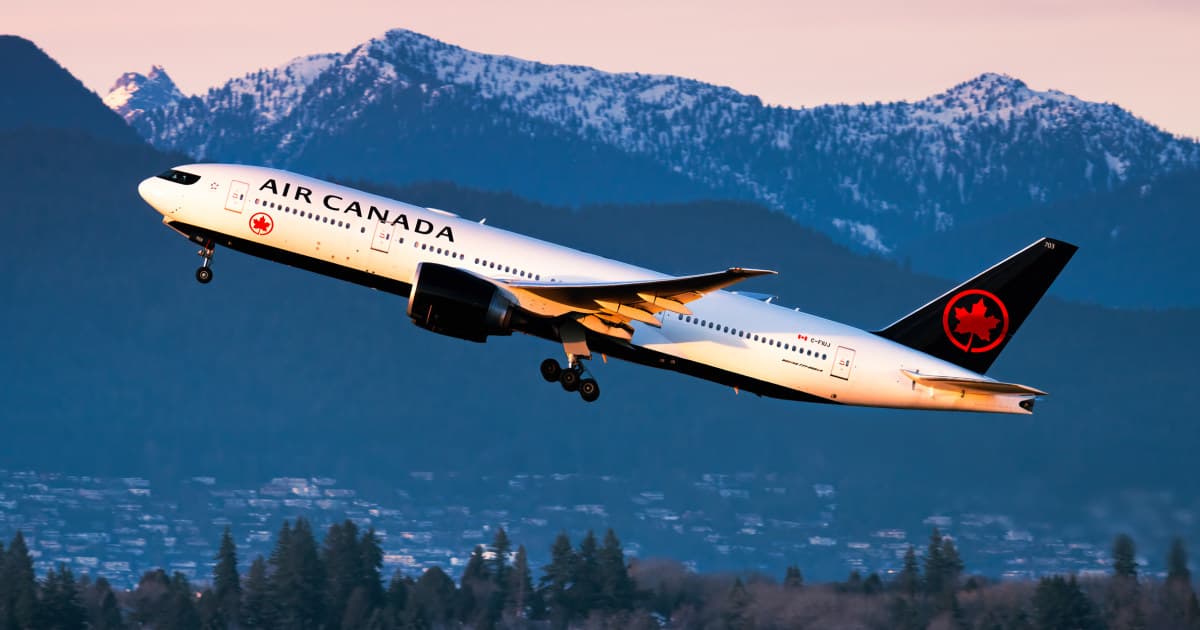
A former Air Canada captain allegedly flew commercial planes for nearly 17 years without the proper licence, a case Ontario police say exposes how airline screening and regulator oversight could miss a problem spanning hundreds of flights. Peel Regional Police say the allegations against Dallas Pokornik date back to 2009 and involve fraudulent licensing documents used during a 27-year career with the carrier.
Investigators say the case is part of Project Icarus, their name for the probe into the former pilot’s credentials and flying record. Police allege Pokornik flew hundreds of flights while using documents that did not match the licensing or certification he was required to hold, raising questions about how long the problem remained hidden inside a major airline operation.
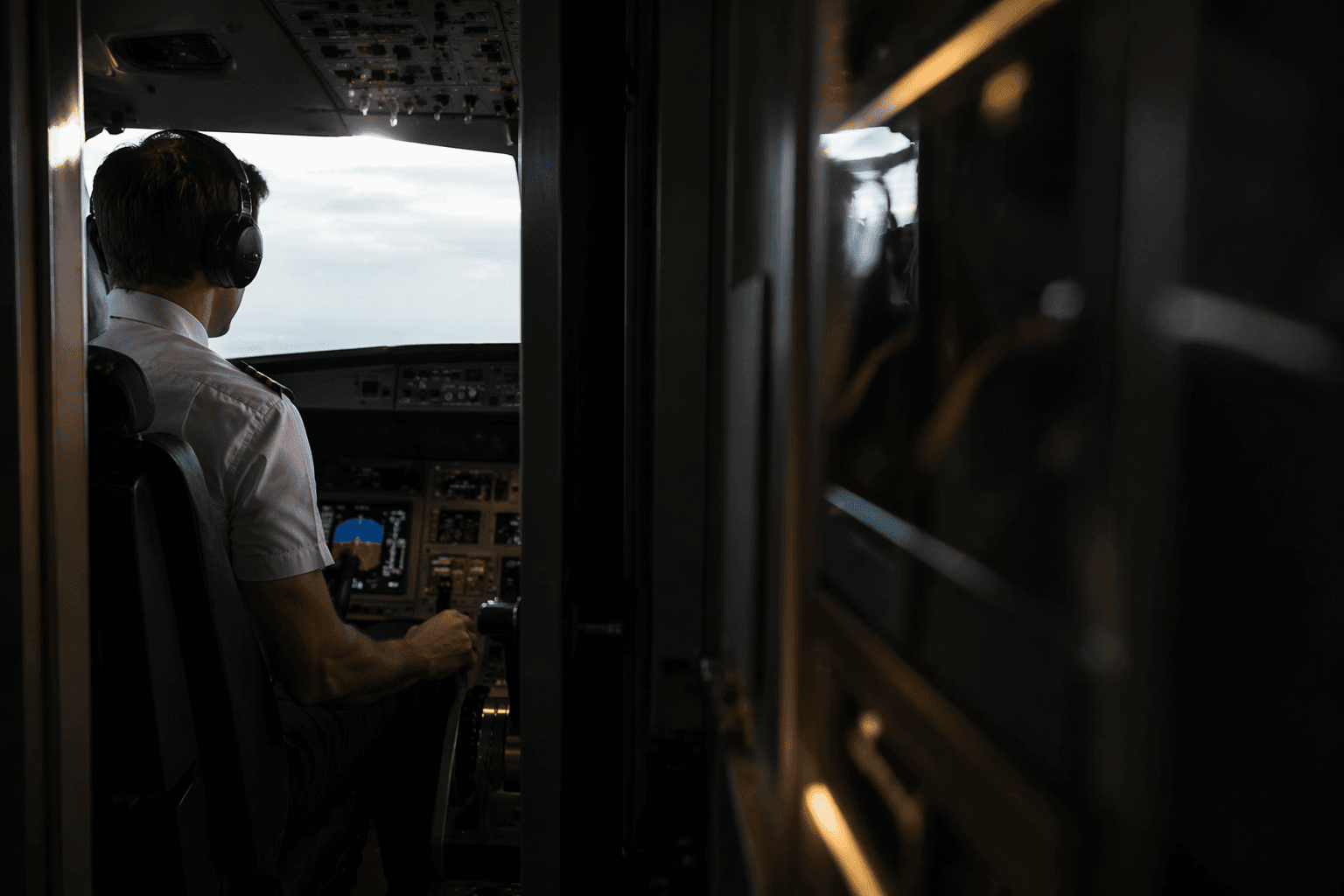
Air Canada said on June 8, 2026, that Transport Canada had imposed a monetary penalty on a former Air Canada pilot over incorrect licensing or certification. The airline said safety was not compromised and pointed to two layers it says every pilot must complete: recurrent training every six months and a flight check with a certified Transport Canada check-pilot every 12 months.
That response underscores the central failure in the case. If police allegations are accurate, the problem was not a single missed form or a one-time lapse. It would have meant a chain of breakdowns across the airline, the verification process and the regulator’s enforcement system, allowing a pilot to keep flying while allegedly relying on fraudulent paperwork year after year.
Transport Canada says aviation enforcement is meant to protect the public from unsafe practices and harmful situations. The department says officers can use administrative monetary penalties and other measures, and that they weigh factors including how severe the violation was, whether the person knew they were in violation, prior compliance history and cooperation with inspectors.
The allegations now place renewed pressure on the systems designed to keep commercial aviation safe. Pilots are expected to be tracked through licensing, recurrent testing and regulatory oversight, yet police say this case stretched back to 2009 before it surfaced publicly. For passengers, the concern is not only about one former captain, but about how a network of safeguards could fail for so long without catching the risk.
This article was produced by Prism’s automated news system from verified source data, official records, and press releases, then run through automated quality and moderation checks before publishing. The system is built and supervised by the people who set the standards it runs under. Read our full AI policy.
Know something we missed? Have a correction or additional information?
Submit a Tip