OPEC+ Keeps Output Steady Amid Oversupply and Member Tensions
OPEC+ ministers held a brief online meeting on Jan. 4 and confirmed they will keep the group’s existing production targets unchanged through at least the first quarter of 2026. The pause aims to temper a market beset by a renewed supply surplus and sharply lower oil prices, while political frictions among members add uncertainty to longer-term coordination.
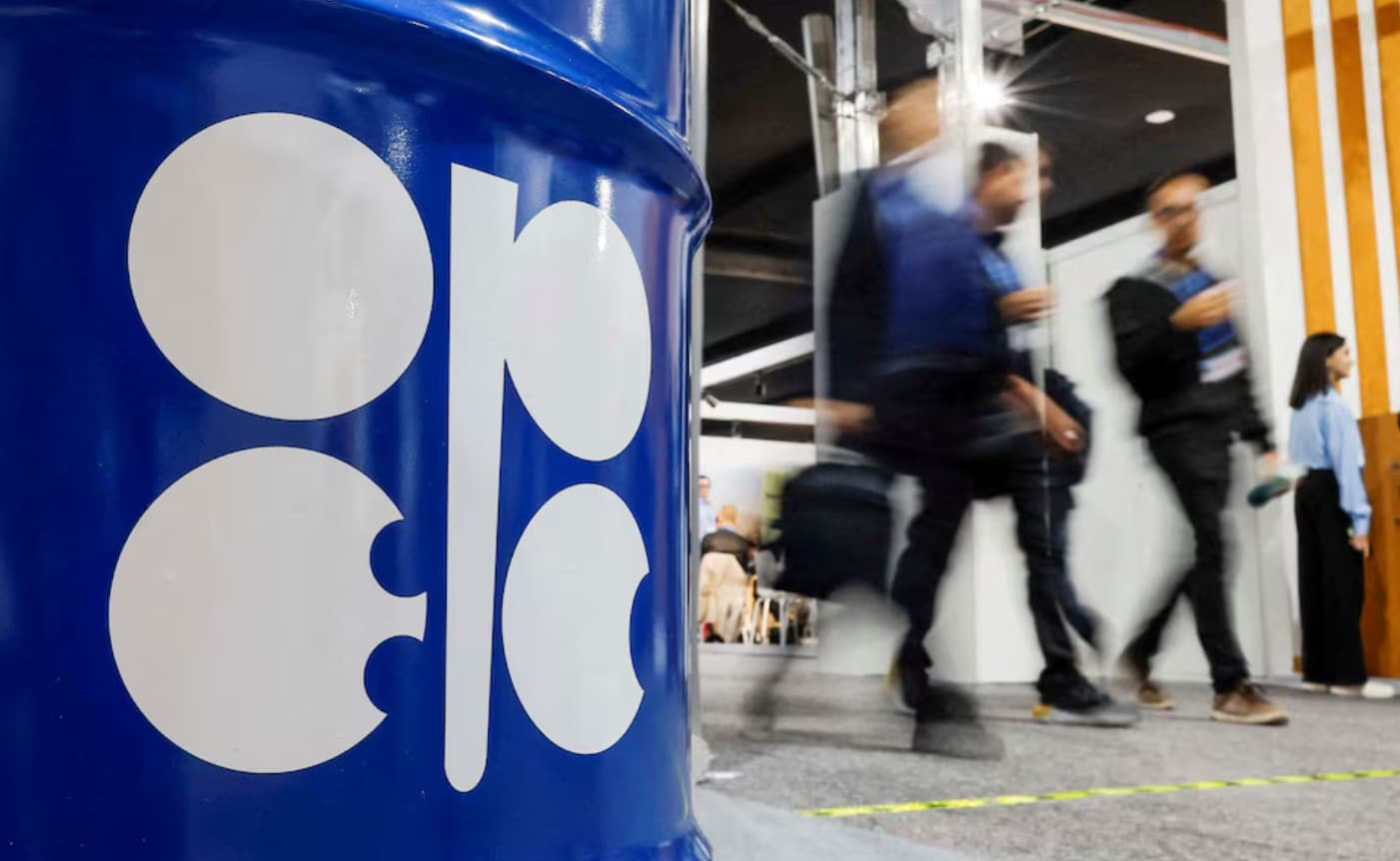
OPEC+ ministers met online on Jan. 4 and left the group’s output policy unchanged, preserving a November 2025 decision to pause planned production increases for January, February and March. Delegates described the session as short and focused on market management, avoiding extended debate over political crises affecting some members.
Eight producers effectively took the decision: Saudi Arabia, Russia, the United Arab Emirates, Kazakhstan, Kuwait, Iraq, Algeria and Oman. Collectively these members drove the bulk of last year’s output restorations; in 2025 they raised oil output targets by about 2.9 million barrels per day, roughly 3 percent of global demand. The pause therefore functions as a tactical hold on further supply growth through the first quarter of 2026 while global inventories and refining systems continue to absorb those added barrels.
The market backdrop helps explain the caution. Oil prices plunged more than 18 percent in 2025, the steepest yearly decline since 2020, leaving traders and ministers wary of adding supply into a market that shows mounting signs of oversupply. Delegates and analysts cited soft northern-hemisphere winter demand, inventories still adjusting to rapid production restorations, and refining flows that have not yet fully digested last year’s additions. Taken together, those indicators increase the risk that further scheduled increases would widen a surplus and push prices lower.
Policy-wise, the decision slows near-term supply growth without reversing the broad strategy of restoring volumes reduced earlier in the decade. Several delegates and analysts framed the move as a deliberate, gradual roll-back of voluntary cuts, implemented with an eye to timing and market absorption rather than returning immediately to pre-cut output levels. OPEC+ will reconvene on Feb. 1, 2026, a meeting markets will watch for signals on whether the pause will be extended or production increases will resume.

Political tensions remain a complicating factor. Coverage of the meeting highlighted what some described as “rising Saudi‑UAE tensions,” and observers noted that the session avoided discussion of volatile political developments that touch members’ energy sectors. A delegate said Venezuela was not discussed at the Jan. 4 meeting, even as some external reports have raised questions about potential U.S. actions involving Venezuelan energy assets. Those disputed claims did not figure in the ministers’ deliberations, delegates said.
For markets, the immediate implication is a reduced likelihood of near-term supply-driven price rallies; the pause increases the emphasis on demand metrics, inventories and refining throughput as the determinants of direction for crude prices. Over the longer term, the outcome underscores OPEC+’s operational discipline: despite intermittent political friction, the group has repeatedly prioritized coordinated market management, using tactical pauses and calibrated restorations to try to stabilize the market. Traders and policymakers will now focus on Q1 demand forecasts, global stockpile trends and the Feb. 1 meeting for the next clues on the group’s tempo of production normalization.
This article was produced by Prism’s automated news system from verified source data, official records, and press releases, then run through automated quality and moderation checks before publishing. The system is built and supervised by the people who set the standards it runs under. Read our full AI policy.
Did this article answer your question?

