OpenAI Acquires Media Company TBPN to Bolster Editorial and Communications Strategy
OpenAI paid hundreds of millions for an 11-person talk show, its first-ever media acquisition and a direct move into the editorial strategy work agencies have long owned.
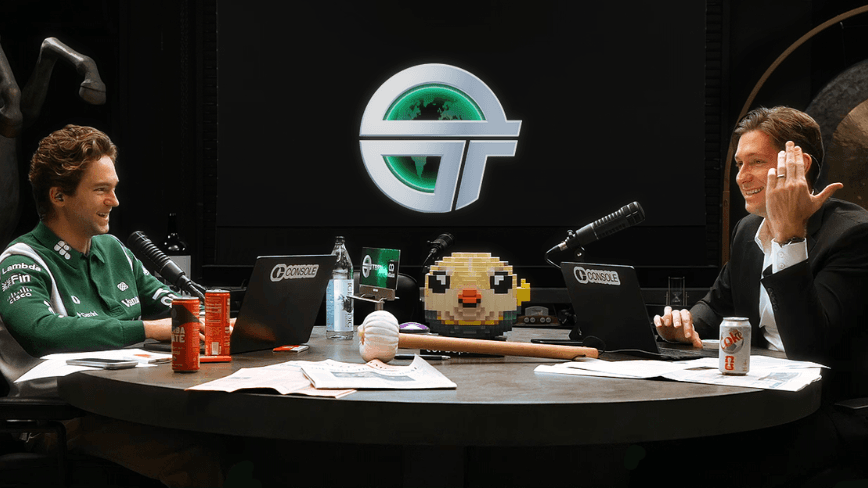
OpenAI has acquired TBPN, a daily three-hour live tech and business talk show, in what the Financial Times reported as a "low hundreds of millions of dollars" deal — the company's first acquisition of a media property. The 11-person TBPN team has been integrated into OpenAI's Strategy organization, reporting directly to Chris Lehane, the company's Chief Global Affairs Officer. Fidji Simo, OpenAI's CEO of Applications, announced the deal internally via a staff memo, describing TBPN's "strong editorial instincts, deep audience understanding, and a proven ability to convene influential voices across tech, business, and culture."
TBPN, which stands for Technology Business Programming Network, launched in October 2024 and shifted to a daily livestream format in March 2025. Co-hosts John Coogan and Jordi Hays, both former tech founders, broadcast the show weekdays from 11 AM to 2 PM PT across YouTube, X, Substack, and Spotify. Despite having fewer than 60,000 YouTube subscribers at the time of the acquisition, the show averaged approximately 70,000 viewers per episode across platforms and attracted guests including Sam Altman, Mark Zuckerberg, Mark Cuban, and documentarian Ken Burns. TBPN generated roughly $5 million in advertising revenue in its first year and was on track to exceed $30 million annually, making it one of the fastest-growing media operations in Silicon Valley.
For communications and content agencies, the acquisition is less an anomaly than a structural signal. Simo's internal framing acknowledged plainly that "the standard communications playbook just doesn't apply" for a company at OpenAI's scale. That is precisely the kind of brief that used to originate in an agency's strategy practice. By building that capability in-house, OpenAI is moving up the stack into editorial territory that agencies have historically owned.
The implications split cleanly between what gets commoditized and what becomes premium. Content production, basic distribution, and media monitoring are already being compressed by AI-native workflows. What remains defensible is the architecture that cannot be automated: brand voice construction, narrative positioning, and distribution strategy built around how AI assistants surface and filter third-party content. TBPN's own numbers make the case: the gap between its sub-60,000 subscriber count and its 70,000-viewer-per-episode reach reflects the leverage of editorial authority over raw scale.
CNN Business drew the historical line to RCA's creation of NBC in 1926, a platform company acquiring media to control narrative flow rather than for the content itself. TBPN now sits inside OpenAI's Strategy org as that experiment runs live. Agencies tracking how OpenAI-originated content influences assistant answers, click-through behavior, and third-party site discoverability will want to watch the show's integration closely.
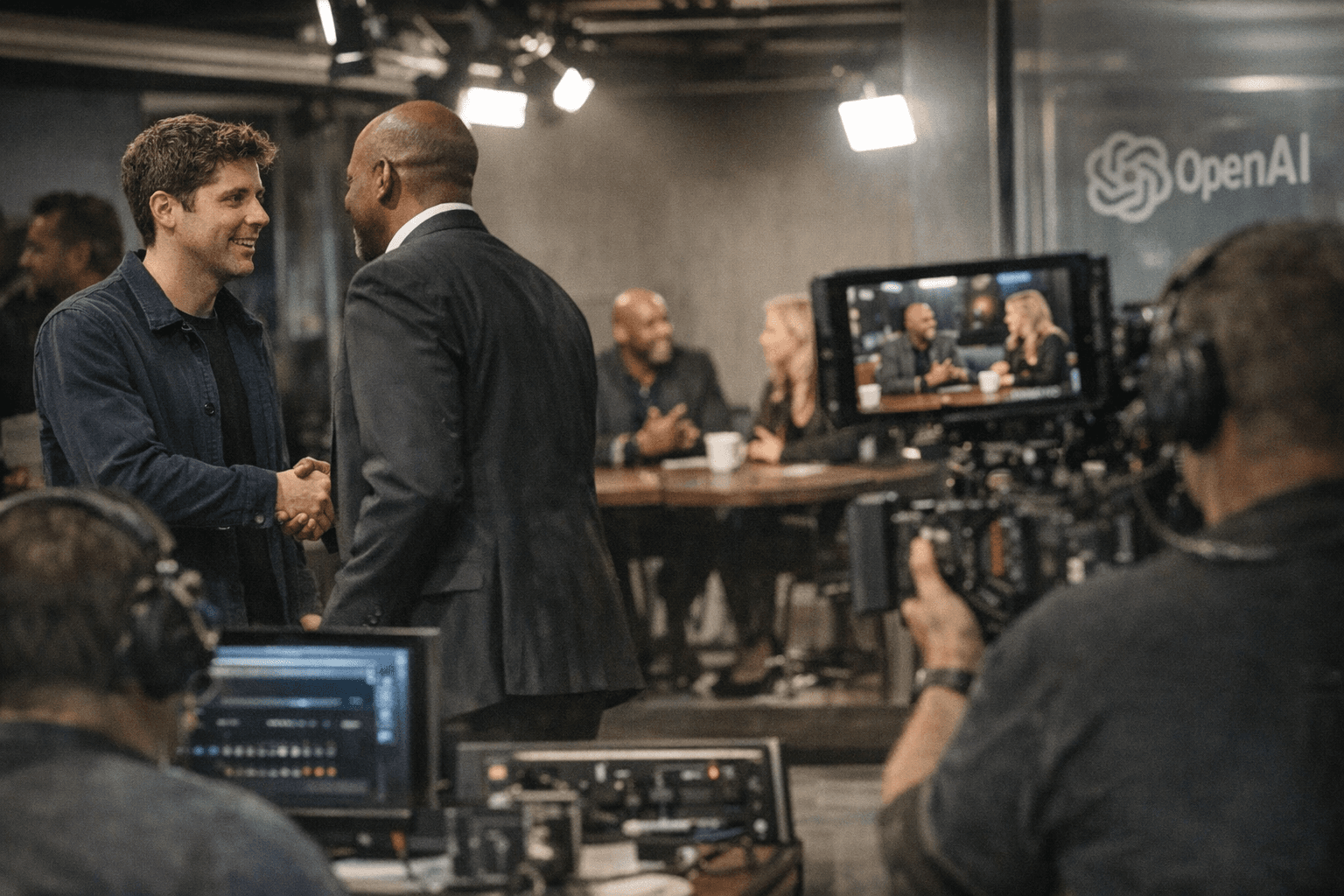
The acquisition's contested element is a contractual guarantee of editorial independence. OpenAI stated that TBPN will "continue to run their programming, choose their guests, and make their own editorial decisions." Chris Lehane confirmed the guarantee is in the contract. Critics across Hacker News, CNBC, and tech media remain skeptical, with commentators pointing to the fact that TBPN regularly covers OpenAI and its competitors, and that the company is reportedly on the brink of a 2026 IPO. One analyst described the deal as "a fairly small bet for a lot of attention" given OpenAI's recent $122 billion funding round and valuation above $850 billion.
For agencies, the next 90 days call for concrete repositioning. Audit which content services in current retainers are already being undercut by AI-native production pipelines. Map how client content performs inside AI assistant answers versus traditional search results. Build at least one owned media pilot modeled on TBPN's audience-first approach, which achieved its $5-to-$30 million revenue trajectory through editorial trust rather than platform dependency. Reposition brand voice, narrative architecture, and distribution strategy explicitly as non-commoditized offerings in proposal language. And test white-label editorial partnerships that separate execution from strategic positioning, preserving agency margin in retainers where content production alone no longer holds pricing power.
TBPN will remain based in Los Angeles. Sam Altman publicly called it "my favorite tech show." That endorsement now comes with a balance sheet behind it.
Sources:
Know something we missed? Have a correction or additional information?
Submit a Tip