OpenAI Asks State AGs to Probe Musk's Alleged Anti-Competitive Behavior
OpenAI urged two state attorneys general to probe Elon Musk for anti-competitive behavior, a calculated escalation timed just weeks before a $100 billion federal trial.
With jury selection weeks away in one of the most consequential corporate disputes in Silicon Valley history, OpenAI moved Sunday to pull state regulators into its battle against Elon Musk, formally asking the attorneys general of California and Delaware to investigate whether Musk's conduct toward the company crossed the line from litigation hardball into unlawful interference.
The letter, signed by Chief Strategy Officer Jason Kwon and addressed to California Attorney General Rob Bonta and Delaware Attorney General Kathy Jennings, accused Musk of "improper and anti-competitive behavior" that extends beyond the courtroom. Kwon alleged a coordinated campaign involving Musk, associates, and other tech executives, including the circulation of opposition research and false allegations against OpenAI's leadership. OpenAI has previously warned its investors that Musk would likely use the litigation to generate damaging public statements, a concern that now appears to have hardened into a formal legal strategy.
The stakes in the underlying suit are enormous. Musk, who co-founded OpenAI in 2015 before departing its board in 2018 and later launching the rival AI venture xAI, filed his lawsuit in 2024 seeking more than $100 billion in damages. His core claim is that CEO Sam Altman and other leaders betrayed the company's original nonprofit mission, effectively converting a public-benefit enterprise into a commercial one for private gain. Altman and several board members are named defendants.
The theory of nonprofit betrayal carries genuine legal weight in both states. Delaware, where OpenAI is incorporated, and California, where it operates, each give their attorneys general supervisory authority over charitable organizations and the assets held in trust for public benefit. When OpenAI restructured in 2019, creating a capped-profit subsidiary that allowed outside investment, most notably Microsoft's multibillion-dollar commitment, it did so under conditions that were supposed to preserve the nonprofit's controlling mission. Whether that restructuring honored or violated those fiduciary obligations is precisely what the Northern District of California trial is expected to test.
Kwon's letter framed Musk's alleged tactics in explicitly existential terms. The attacks, he wrote, "are designed to take control of the future of AGI out of the hands of those who are legally obligated to pursue the mission of ensuring that AGI benefits all of humanity, and put it into the hands of competitors who lack mission-driven principles and spurn any responsibility for safety."
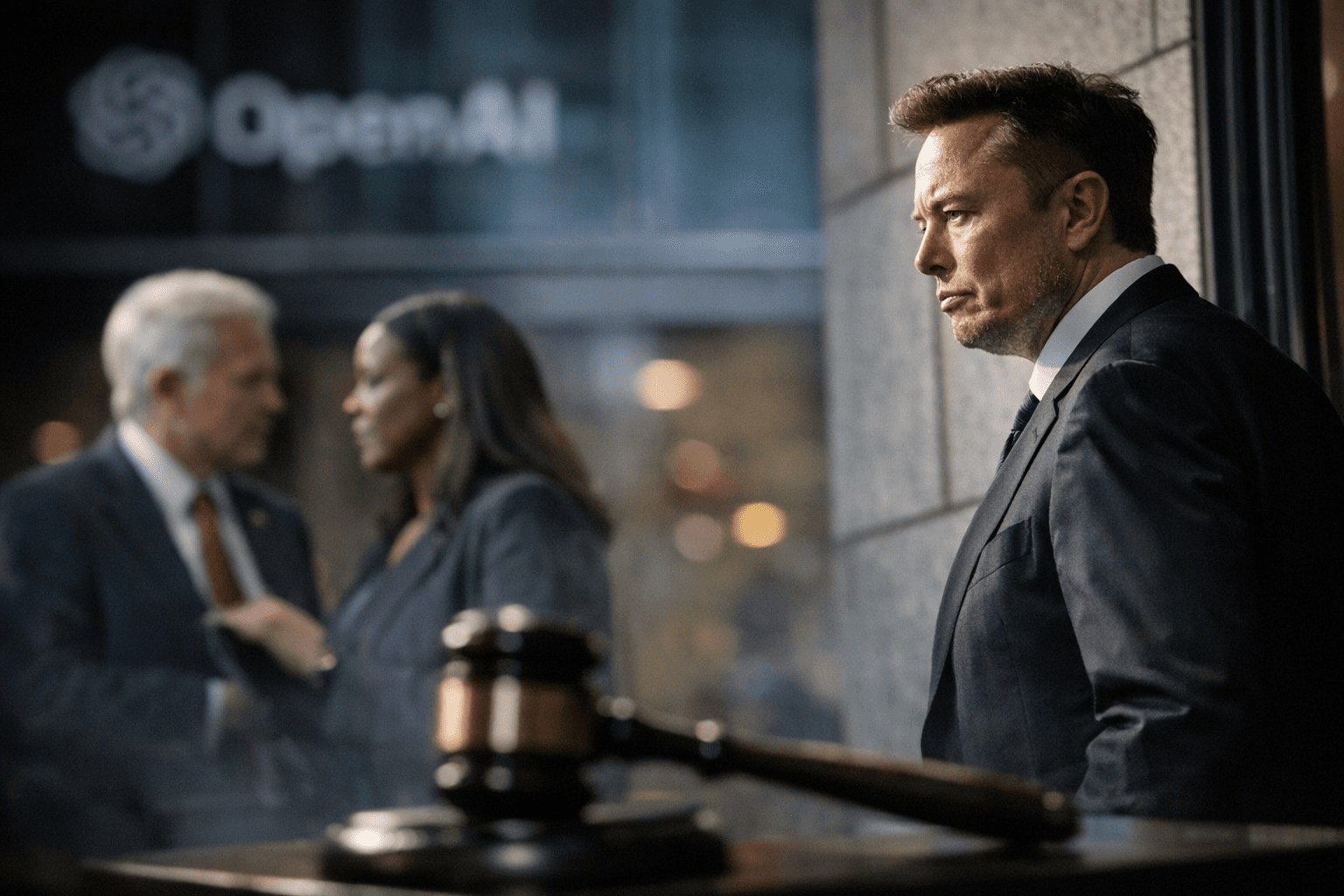
That framing is legally and politically deliberate. By invoking AGI governance and public safety rather than standard commercial grievances, OpenAI is positioning its cause as something more than corporate self-interest; it is asking regulators to treat the control of frontier AI as a matter of public concern that falls within their enforcement mandate.
If Bonta or Jennings opens a formal investigation, the consequences could ripple well beyond the April trial. State AGs wield subpoena power and can demand document production independent of civil discovery rules, potentially exposing communications, coordination, and financial arrangements that would otherwise remain sealed. Parallel enforcement proceedings would also significantly complicate litigation strategy for both sides.
The trial itself, scheduled to begin in the Northern District of California later this month, will already force difficult questions about what promises were made when OpenAI was founded, whether they created enforceable legal obligations, and who ultimately controls the organization's direction. Adding state attorneys general to that proceeding, even in a supervisory capacity, would transform the question from one about contract breach into something closer to a referendum on who has the right to govern the development of artificial general intelligence.
This article was produced by Prism’s automated news system from verified source data, official records, and press releases, then run through automated quality and moderation checks before publishing. The system is built and supervised by the people who set the standards it runs under. Read our full AI policy.
Did this article answer your question?


