OpenAI begins limited trial of impression-based chatbot advertising
OpenAI is piloting chatbot ads with a small group of advertisers, testing impression-based pricing and ad commitments under $1 million ahead of a wider rollout.

OpenAI has begun offering a limited trial of paid advertisements inside its ChatGPT chatbot experience to a small group of advertisers, part of a broader push to diversify revenue beyond subscriptions. According to a Jan. 21 report by The Information, cited by Reuters and other outlets, the pilot will involve a relatively small pool of participants, described in reporting as "dozens" of advertisers, and is expected to start running ads in early February.
The trial asks participating companies for spending commitments of less than $1 million apiece for a several-week test, the reporting says. OpenAI plans to bill advertisers on an impression basis rather than charging per click, a pricing model that pays for views rather than user interactions. The Information also reported that the company does not yet offer a self-service platform for buying these placements, though it is working to get such capabilities up and running.
Reuters said it could not immediately verify The Information’s account and noted that OpenAI did not immediately respond to requests for comment. The Information’s details were sourced to unnamed people familiar with the matter, and several outlets republished the account on Jan. 21.
The move marks a significant shift for OpenAI, which has long leaned on subscription fees for ChatGPT Plus and other paid services. Executives and investors have for months signaled a need to broaden monetization as the company faces steep costs from training and operating large AI models, including extensive data-center spending. Industry analysts and reporting on the trial link the ad push to those cost pressures and to preparations for a potential initial public offering, a major strategic inflection point for the Microsoft-backed company.
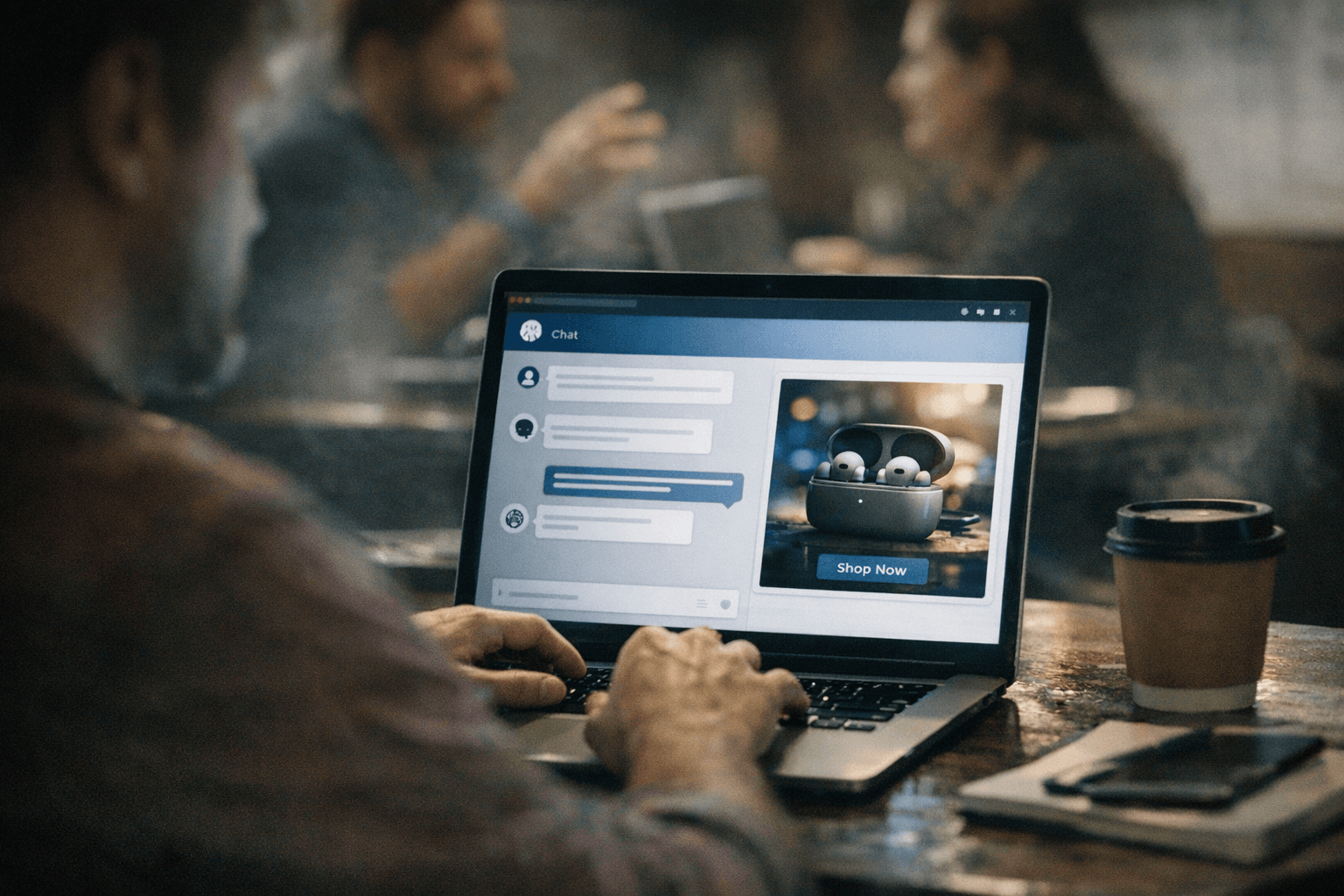
Placing ads directly into conversational interfaces raises both technical and ethical questions. Impression-based pricing rewards reach over engagement, which could incentivize formats designed primarily to be seen rather than to help users. Integrating promotional content into a system users treat as an information source also heightens risks around disclosure, trust and manipulation. How OpenAI will label or segregate paid content inside chat responses, and how it will measure viewability in a dynamic, text-based interface, were not detailed in the reporting.
The pilot appears to be narrowly scoped: it applies to advertisers selected for the trial rather than to all users, and follows an earlier company announcement that some U.S. users would start seeing ads in ChatGPT. Whether early advertisers will see measurable return on investment in a setting where users seek answers rather than browse feeds will influence whether OpenAI scales the offering and how rapidly it rolls out self-service buying tools.
For OpenAI, balancing revenue needs with user trust is likely to be central to the program’s fate. If the pilot shows advertisers value impressions within a conversational environment, the company could unlock a major new income stream to offset hefty AI infrastructure costs. If users react negatively or regulators press for stricter disclosure, the initiative could face backlash just as the company positions itself for greater public scrutiny in the run-up to a possible IPO.
This article was produced by Prism’s automated news system from verified source data, official records, and press releases, then run through automated quality and moderation checks before publishing. The system is built and supervised by the people who set the standards it runs under. Read our full AI policy.
Did this article answer your question?