OpenAI launches GPT-Live, a real-time voice model for ChatGPT
OpenAI turned ChatGPT voice into a full-duplex system, rolling out GPT-Live-1 to paid users and GPT-Live-1 mini to free users.
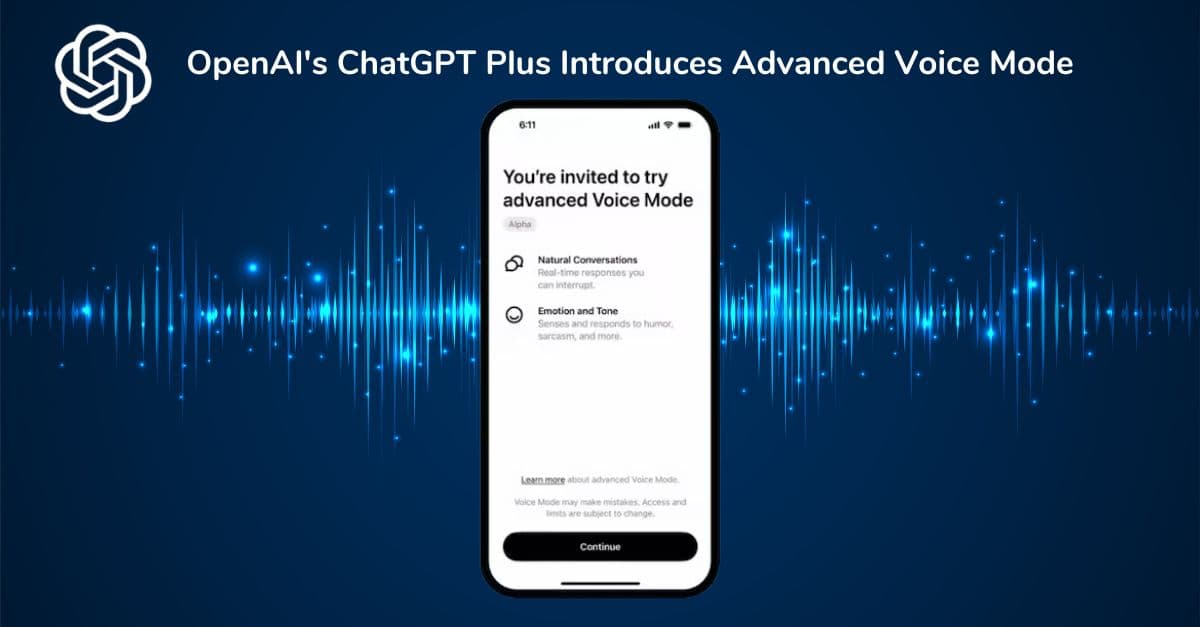
OpenAI launched GPT-Live on Wednesday, giving ChatGPT a voice mode that can listen and speak at the same time and pushing the product closer to a live conversation than a stop-start assistant. The company said the new system is designed to make spoken interactions feel more immediate, which matters most in consumer devices, call centers and accessibility tools where latency and turn-taking determine whether voice AI feels usable.
OpenAI said GPT-Live is rolling out globally in two versions, GPT-Live-1 for paid users and GPT-Live-1 mini for free users, through chatgpt.com and the ChatGPT iOS and Android apps in supported regions. GPT-Live-1 is not available at launch in ChatGPT Business, Enterprise or Edu workspaces, and it does not yet support video or screen sharing. The company said the voice model can also work inside a regular ChatGPT chat, pairing spoken replies with streamed text, web search, memory, visual widgets, images and text in the same conversation.
The system runs on a full-duplex architecture and hands harder questions and more complex work to GPT-5.5 in the background while continuing to talk with the user. That makes the release more than a cleaner voice interface. It is OpenAI’s attempt to turn speech into a working layer for software agents that can keep pace with a person’s train of thought rather than forcing users to wait for a reply, listen, and then start over.

The launch extends a push OpenAI began on May 7, when it introduced GPT-Realtime-2, GPT-Realtime-Translate and GPT-Realtime-Whisper for developers building voice applications. Those models were aimed at realtime customer support, travel, education, live translation and accessibility, and GPT-Realtime-Translate was built to move speech from more than 70 input languages into 13 output languages while keeping pace with the speaker. GPT-Live now brings that ambition into ChatGPT itself, where voice can become a default interface rather than a special feature.
OpenAI said GPT-Live is strongly preferred over its older Advanced Voice Mode in head-to-head tests measuring turn-taking, interruptions, conversational flow and naturalness. That competitive edge will matter as other AI companies race to make assistants feel less like menu-driven software and more like human aides. The same always-on design, however, raises the stakes around privacy and safety, because a system built to listen, remember and respond in real time will have to earn trust every time it interrupts, stores context or handles sensitive speech. OpenAI’s disclosure of a confidential draft S-1 filing on June 8 adds another layer: voice is now part of the company’s public-market story, not just a product update.
This article was produced by Prism’s automated news system from verified source data, official records, and press releases, then run through automated quality and moderation checks before publishing. The system is built and supervised by the people who set the standards it runs under. Read our full AI policy.
Did this article answer your question?