OpenAI Releases Engineering Playbook to Shield AI Agents From Prompt Injection
OpenAI published guidance on hardening AI agents against prompt-injection attacks, a growing threat as autonomous systems take on real-world tasks.
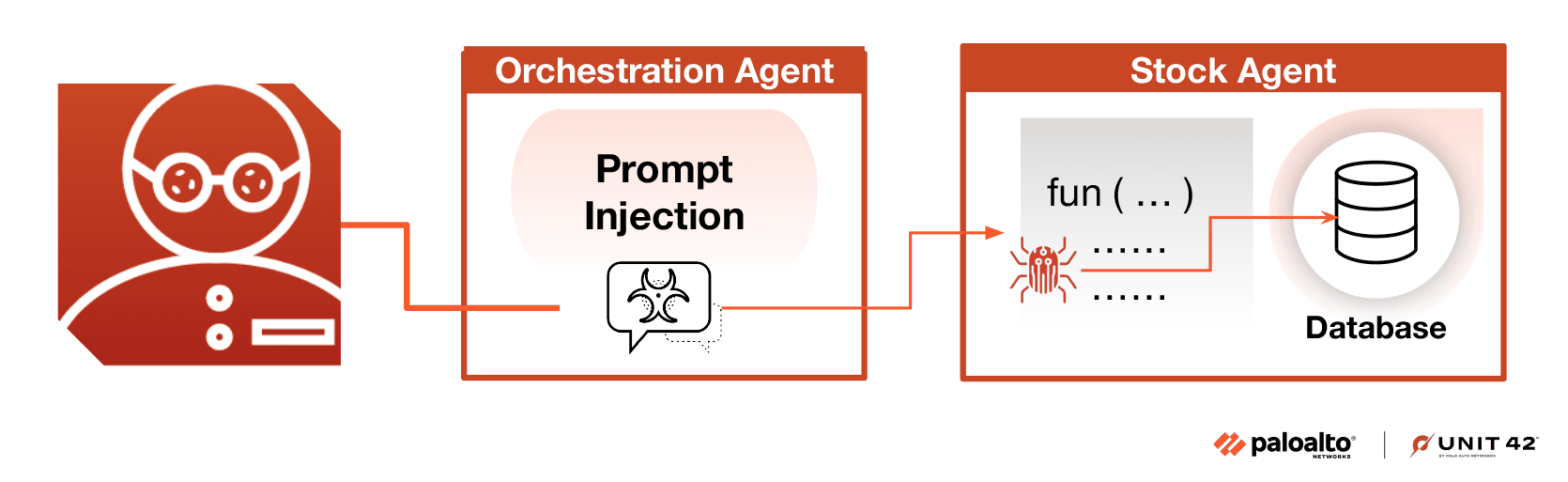
OpenAI published a technical blog post Wednesday laying out research findings and engineering strategies designed to protect AI agents from prompt-injection attacks, one of the most persistent and consequential security threats facing autonomous AI systems deployed in real-world environments.
Prompt-injection attacks exploit a fundamental vulnerability in large language models: the inability to reliably distinguish between legitimate instructions and malicious ones embedded in the data an agent processes. When an AI agent browses the web, reads documents, or handles emails on a user's behalf, a bad actor can plant hidden instructions in that content, hijacking the agent's behavior and redirecting it toward unintended or harmful actions. As agents gain the ability to send messages, execute code, and interact with external services, the consequences of a successful injection escalate sharply.
The guidance arrives at a pivotal moment. AI agents have moved rapidly from research curiosities to commercial products, with OpenAI and its competitors deploying systems capable of completing multi-step tasks with minimal human oversight. That expanded autonomy creates expanded attack surfaces, and the security community has raised repeated alarms about the gap between capability deployment and defensive readiness.
OpenAI's post addresses both the research foundations and the practical engineering choices developers must make when building agent-based applications. The guidance covers how models can be trained to treat certain input channels with greater skepticism, how architectural decisions about privilege and tool access can limit the blast radius of a successful attack, and how layered verification mechanisms can catch anomalous behavior before it causes harm.
Central to the approach is the principle of least privilege: agents should be granted only the permissions necessary to complete a given task, so that even a compromised agent cannot access sensitive systems or data beyond its immediate scope. The post also emphasizes the importance of human-in-the-loop checkpoints for high-stakes actions, a design philosophy that trades some efficiency for a meaningful reduction in risk.

The publication reflects a broader industry reckoning with agentic AI security. Prompt injection has been catalogued by security researchers for years, but the problem has grown more urgent as agents move from answering questions to taking actions. A model that can be tricked into leaking credentials, exfiltrating data, or executing unauthorized transactions poses a qualitatively different risk than one that simply produces an incorrect answer.
OpenAI's decision to publish its thinking publicly, rather than treating defensive techniques as proprietary, suggests a recognition that the threat affects the entire ecosystem of developers building on top of large language models, not just OpenAI's own products. Hardening the broader developer community against injection attacks reduces the overall vulnerability surface that could erode public trust in agentic systems.
The guidance is unlikely to be the final word. Prompt-injection research is an active field, and attackers routinely adapt to defenses. But by codifying current best practices and sharing them openly, OpenAI has provided developers with a concrete starting point as the industry navigates the difficult balance between deploying capable agents and deploying safe ones.
This article was produced by Prism’s automated news system from verified source data, official records, and press releases, then run through automated quality and moderation checks before publishing. The system is built and supervised by the people who set the standards it runs under. Read our full AI policy.
Know something we missed? Have a correction or additional information?
Submit a Tip