OpenAI seeks role as scientific research partner for labs and universities
OpenAI is positioning itself as a research partner for laboratories and universities, emphasizing collaboration across physics, biology, chemistry, engineering and mathematics.
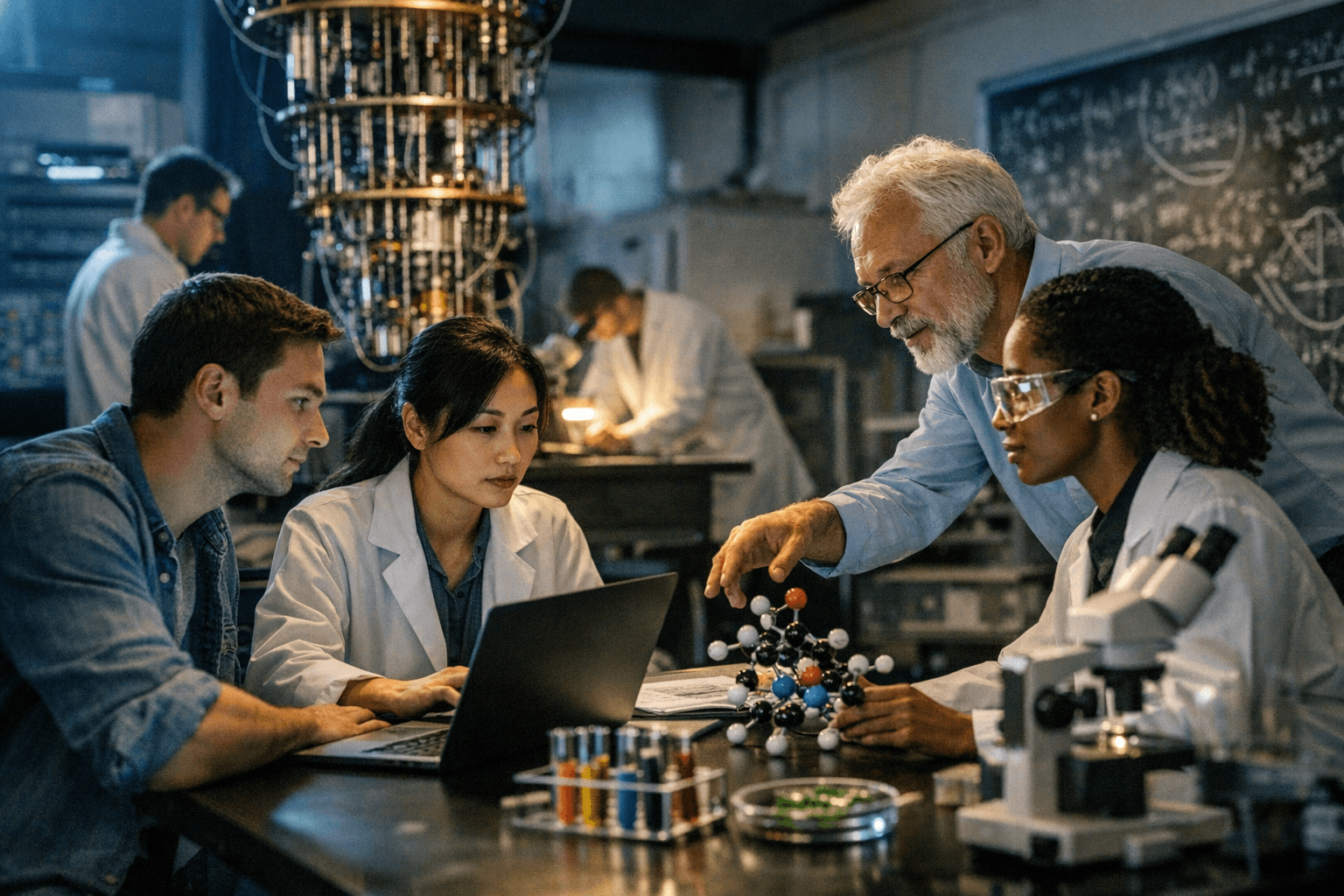
OpenAI moved to recast itself as a direct partner to the scientific community, circulating an internal report and public materials on Jan. 26, 2026 that lay out ambitions to collaborate with researchers in physics, biology, chemistry, engineering and mathematics. The documents portray a company seeking deeper integration with academic and laboratory workflows rather than acting solely as a provider of general-purpose models.
The materials emphasize collaborative science as a strategic priority, describing engagement with domain specialists, shared tooling and closer alignment of large models with disciplinary research questions. While the report does not prescribe a single partnership model, it signals interest in joint projects that could range from model-informed simulation and data analysis to automated literature synthesis and code generation for computational experiments. For research groups facing mounting data volumes and computational complexity, that pitch is compelling: modern laboratories increasingly rely on machine learning to accelerate hypothesis generation and to scale analysis.
The move raises immediate methodological and institutional questions. Scientific research depends on reproducibility, transparent methods and independent validation. Integrating proprietary models or company-maintained toolchains into core research practice can complicate replication if access, model versions or training data are restricted. University labs will weigh the apparent benefits of faster modeling and novel capabilities against the need for open protocols, data availability and peer review that remain cornerstones of scientific credibility.
There are also equity and infrastructure concerns. Advanced AI models require substantial compute and curated datasets, resources that are concentrated in a few companies and well-funded institutions. A formal partnership model could widen gaps between elite laboratories that gain early access and smaller groups that lack leverage. How OpenAI frames access, pricing and data governance will determine whether collaborations democratize capability or deepen existing divides in research capacity.
Ethical and safety considerations are prominent when the scope stretches into biology and chemistry. Tools that accelerate design of molecules, genetic constructs or material properties can yield rapid benefits in medicine and materials science, but they also carry dual-use risks. Responsible collaboration will require stringent oversight, red-team testing, and alignment with biosecurity frameworks to prevent misuse. The internal documents acknowledge these tensions by highlighting cross-disciplinary engagement, but they stop short of detailing governance mechanisms or independent oversight structures.
Academia will confront cultural shifts, too. Industry partnerships can provide funding, computational time and access to specialized expertise, but they can also create conflicts over intellectual property, authorship and publication timelines. Universities and funding agencies must adapt policies to preserve open science norms while enabling legitimate collaboration with private platforms.
OpenAI’s outreach is likely to prompt rapid responses from research institutions, funders and regulators. Labs will test pilot collaborations to assess scientific value and institutional risk, while professional societies and governments may press for clear standards on transparency, auditability and safety. As AI tools migrate from general-purpose assistants to embedded research partners, the shape of scientific practice may change. Whether that change accelerates discovery broadly or concentrates power will depend on the terms of collaboration, the openness of tools and the rigor of safeguards that accompany them.
This article was produced by Prism’s automated news system from verified source data, official records, and press releases, then run through automated quality and moderation checks before publishing. The system is built and supervised by the people who set the standards it runs under. Read our full AI policy.
Did this article answer your question?


