OpenAI signals IPO within a year, but timing remains uncertain
OpenAI said it filed confidentially for a U.S. IPO, but timing is unsettled as Altman weighs private-company flexibility against a possible public debut within a year.
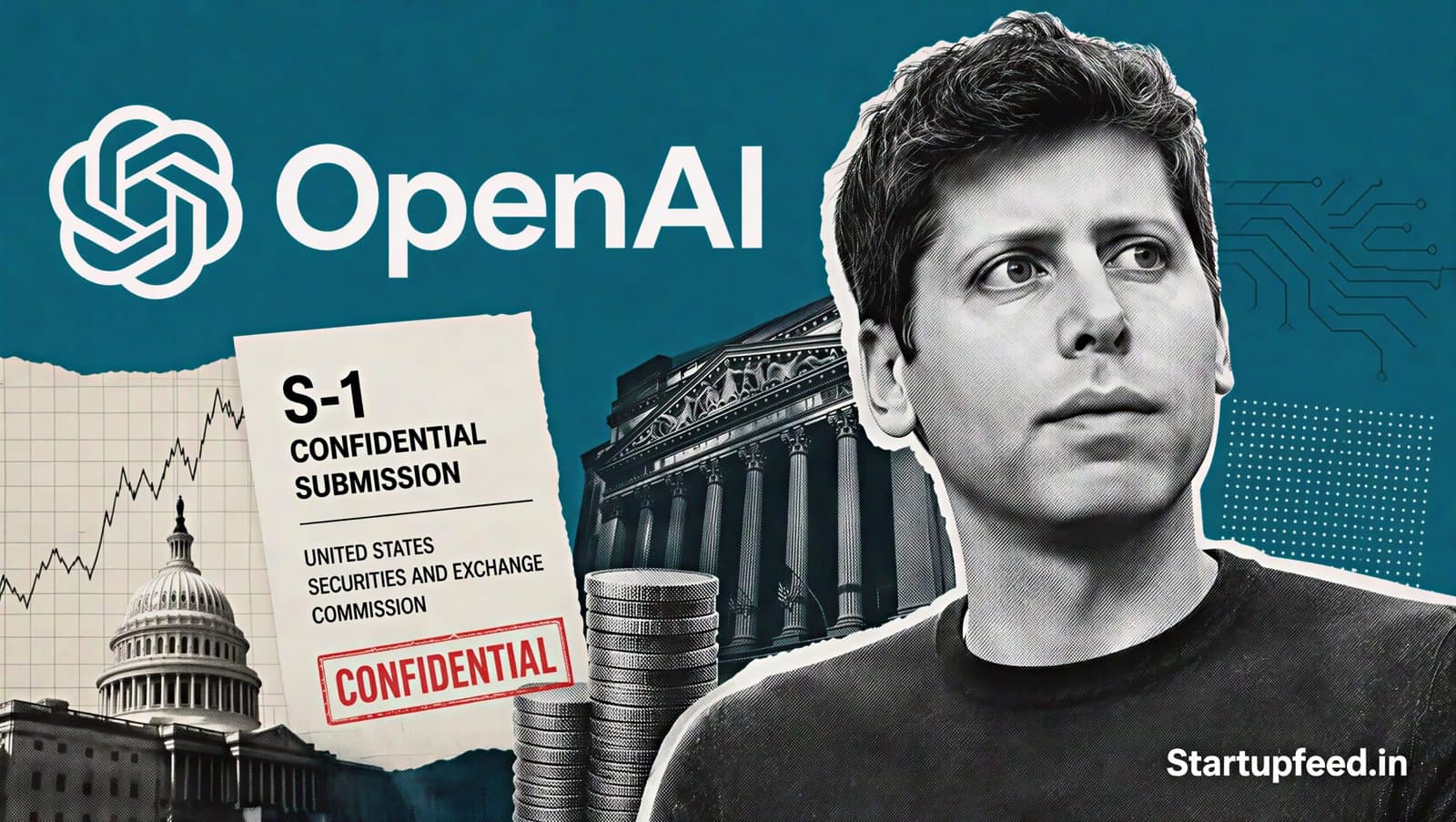
OpenAI has opened the door to Wall Street without committing to a date, a move that could put one of the defining companies of the AI boom under the discipline of quarterly earnings. The company said it confidentially filed a U.S. S-1 on June 8 but has not set the size, terms or timing of an offering, even as Sam Altman told staff he expected a public debut within the next year.
The tension at the center of the move is straightforward: OpenAI still casts itself as a company with a public-interest mission, yet an IPO would force it to answer to public investors who will want faster growth, clearer margins and a path to monetizing the enormous cost of AI compute. OpenAI said the filing was meant to preserve flexibility, adding that going public may still be “a while” because there are “things we want to do that are likely easier as a private company.” It also said the filing gives it “the option to go public sooner if that ends up being best.”
That ambiguity matters because OpenAI sits at the center of the race to control foundational AI infrastructure. The company said in March that it had raised $122 billion in committed capital at a post-money valuation of $852 billion, and it says it is generating $2 billion in revenue per month. Those figures help explain why investors are treating a potential listing as one of the biggest in tech history, with expectations circulating around a valuation as high as $1 trillion and a possible debut as early as September.
OpenAI is also preparing a tender offer at a current share price of $687.69, a sign that employees and early holders still want liquidity before any public listing. At the same time, its 2025 restructuring plan would convert the for-profit arm into a public benefit corporation under nonprofit control, preserving the nonprofit’s grip even as the company taps public markets. That structure could become a flash point if public investors push for more aggressive commercialization while OpenAI insists on keeping mission control intact.
The timing of the filing adds to the pressure on the broader AI sector. A rival, Anthropic, has also confidentially filed for an IPO, signaling that the market for frontier AI firms is moving from venture-backed speculation toward public-market scrutiny. For OpenAI, the question is no longer whether investors want exposure to AI. It is whether a company built around long-term technological ambition can remain true to its mission once the market starts measuring every quarter.
This article was produced by Prism’s automated news system from verified source data, official records, and press releases, then run through automated quality and moderation checks before publishing. The system is built and supervised by the people who set the standards it runs under. Read our full AI policy.
Did this article answer your question?