OpenAI teases Codex shortcut device ahead of July 15 reveal
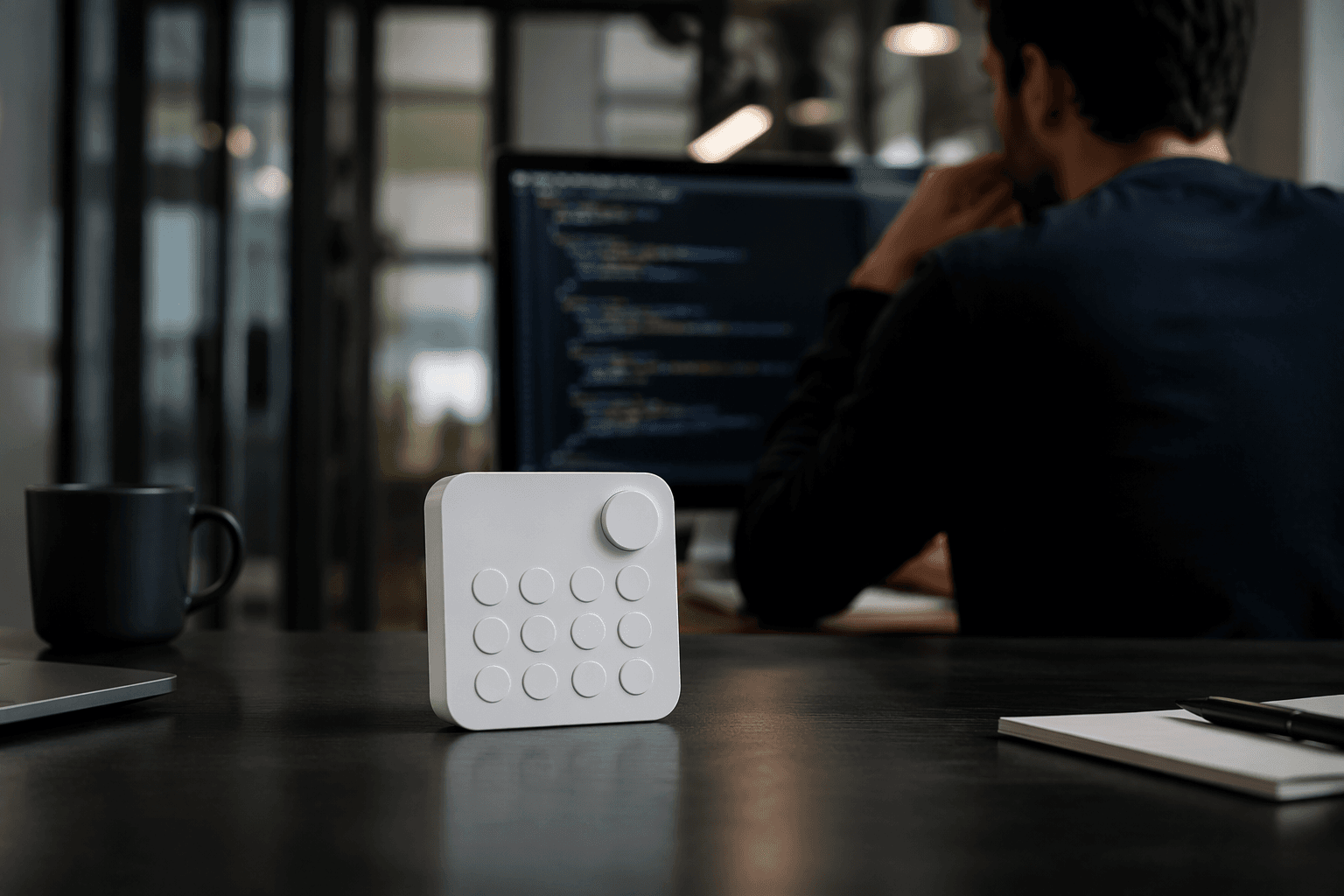
OpenAI previewed a square Codex device with buttons and a July 15 reveal date, hinting at hardware meant to make coding shortcuts one-press.

OpenAI teased a square-shaped device with several buttons and set a July 15 reveal date, signaling a possible push to make Codex more than a software feature inside ChatGPT. The post on X carried the line, “Your favorite Codex shortcuts are getting an upgrade,” and the timing points to a product designed around faster access to the commands developers already use.
The teaser matters because OpenAI has already built Codex as a broader coding workflow. The company says Codex is its coding agent for software development, and that the Codex app runs on macOS and Windows with worktrees, automations and Git functionality. OpenAI’s developer documentation also shows that users can find, customize or reset Codex keyboard shortcuts in Settings > Keyboard Shortcuts, which makes a physical shortcut device look less like a gimmick and more like an attempt to compress routine actions into a dedicated piece of hardware.
That would fit the way OpenAI has been expanding Codex through 2026. In April, the company said more than 3 million developers use Codex every week. OpenAI also said the app now includes background computer use, an in-app browser, image generation, memory and more than 90 additional plugins, a stack that pushes Codex beyond a simple code helper and toward a central work surface for software development.
The teased device is not the separate hardware project OpenAI is building with Jony Ive and LoveFrom. OpenAI has said io Products, Inc. will merge into OpenAI, and that Jony Ive and LoveFrom will take on deep design and creative responsibilities across the company. That other device has been described as screenless and built around ambient intelligence rather than a phone-like interface, and Ive has said it could arrive in less than two years.
That split is the key to reading the teaser without getting swept up in the hype. A Codex-linked device would solve a narrower, practical problem: giving developers a physical way to trigger common shortcuts, automations and context switches while they work. The larger hardware effort points to a different ambition, one that treats AI as a persistent interface layer instead of another app window. July 15 will show whether OpenAI is shipping a developer tool, a design statement, or the first visible piece of a broader hardware strategy.
This article was produced by Prism’s automated news system from verified source data, official records, and press releases, then run through automated quality and moderation checks before publishing. The system is built and supervised by the people who set the standards it runs under. Read our full AI policy.
Did this article answer your question?