OpenAI wins Microsoft concessions, can sell products across AWS and other clouds
OpenAI loosened Microsoft’s grip on its software and cloud reach, clearing the way to sell across AWS and Google Cloud while reshaping revenue rules through 2030.
OpenAI forced a rewrite of its core Microsoft pact, winning the right to sell its products across rival clouds while Microsoft preserved its role as the company’s primary infrastructure partner. The revised agreement, announced on April 27, gave OpenAI more commercial freedom just as demand from enterprise customers pushed the startup deeper into Amazon Web Services and Google Cloud.
The biggest shift is simple in plain English: OpenAI is no longer boxed into Microsoft’s cloud ecosystem. Microsoft’s license to OpenAI’s intellectual property is now non-exclusive and runs through 2032, which means Microsoft still has access but no longer has exclusive rights. OpenAI can now serve all of its products to customers on any cloud provider, including Amazon and Google, a change that weakens Microsoft’s ability to keep OpenAI traffic inside Azure.
The money terms changed too. Revenue-share payments from OpenAI to Microsoft will continue through 2030 at the same percentage, but now they are subject to a total cap and no longer depend on OpenAI reaching artificial general intelligence. Microsoft will no longer pay a revenue share to OpenAI. In effect, the companies removed a highly speculative trigger from the deal and replaced it with a more conventional, capped payment structure that gives both sides clearer financial boundaries.
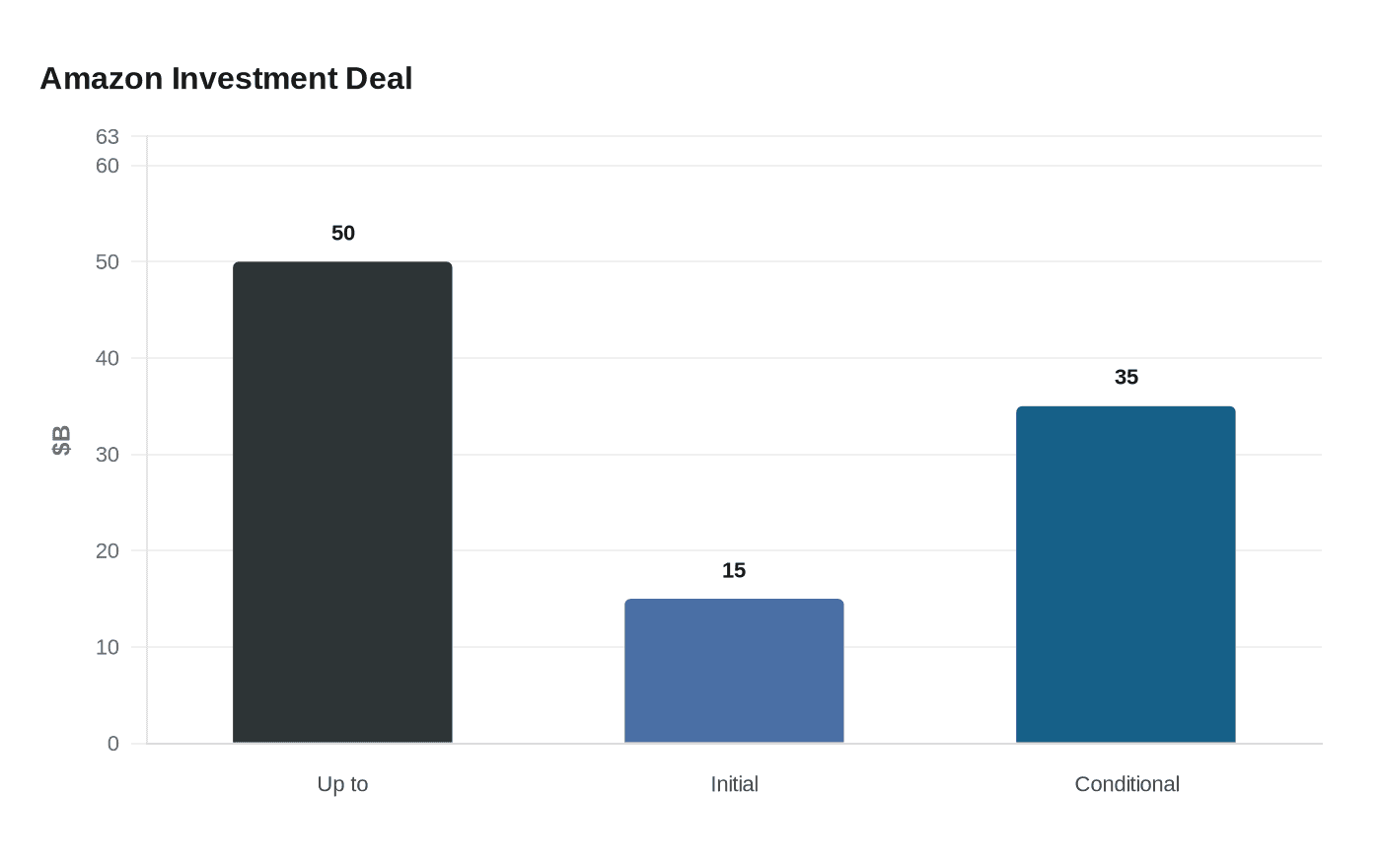
The timing matters because OpenAI had just cut a major cloud deal with Amazon. On February 27, Amazon said it would invest up to $50 billion in OpenAI, starting with $15 billion and adding another $35 billion if conditions are met. The agreement also made AWS the exclusive third-party cloud distribution provider for OpenAI Frontier. That arrangement had raised legal and contractual questions inside Microsoft, which was weighing legal action in March over whether the Amazon deal violated its cloud rights.
For enterprise buyers, the new terms make OpenAI easier to adopt alongside existing cloud contracts. Denise Dresser, OpenAI’s revenue chief, wrote in an internal memo that the Microsoft partnership had "limited our ability to meet enterprises where they are," especially for customers using AWS Bedrock, and said inbound demand for the AWS offering had been "frankly staggering."
Microsoft said the amended deal gives both companies more flexibility, certainty and long-term clarity. Behind the corporate language, the power balance has shifted: Microsoft kept its central seat, but OpenAI won room to sell wherever its customers already are, a change that could accelerate competition across the AI cloud stack and make it easier for AWS and Google Cloud customers to buy OpenAI products without tearing up existing infrastructure plans.
This article was produced by Prism’s automated news system from verified source data, official records, and press releases, then run through automated quality and moderation checks before publishing. The system is built and supervised by the people who set the standards it runs under. Read our full AI policy.
Did this article answer your question?