OpenAI’s new image tool finally renders text accurately in pictures
OpenAI’s latest image system can finally spell inside pictures, turning AI art into something useful for menus, ads and diagrams, and more dangerous for scams.

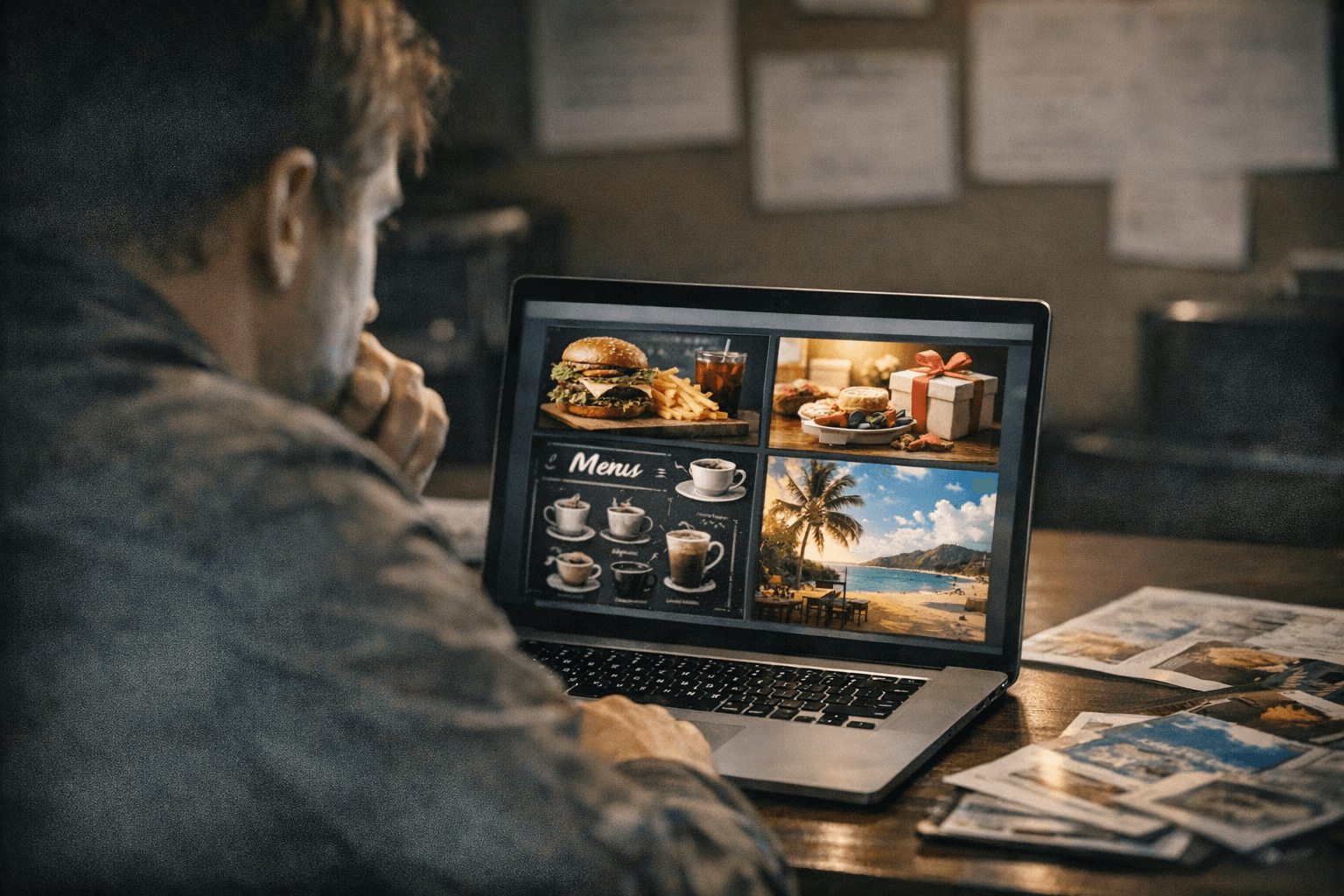
OpenAI’s newest image system is changing the standard for what AI-generated pictures can do. ChatGPT Images 2.0 can now render text inside images with far greater accuracy than earlier models, making a generated restaurant menu look close enough to use in the real world instead of collapsing into nonsense words and mangled labels.
That shift matters well beyond novelty. In a hands-on test, a Mexican restaurant menu came out with readable text and convincing layout, a sharp break from older image generators that often produced comic errors like “enchuita” and “burrto.” OpenAI said the system includes “thinking capabilities” that let it search the web, produce multiple images from one prompt and double-check its own output. The company’s release notes say ChatGPT Images 2.0 is available on all ChatGPT plans, while images with thinking is limited to paid plans and appears when users select Thinking and Pro models.
OpenAI has spent more than a year framing text-accurate image generation as a practical tool rather than a gimmick. In March 2025, the company said its GPT-4o image model could accurately render text and support infographics, diagrams, logos and comic strips. In April 2025, OpenAI said image generation in ChatGPT had already drawn more than 130 million users, who created over 700 million images in the first week. The company later said the model powers professional-grade image generation in its API and can follow custom guidelines, leverage world knowledge and render text accurately.
The latest version also pushes into multilingual publishing. OpenAI said Images 2.0 improves rendering in Japanese, Korean, Hindi and Bengali, a useful step for marketers, educators and creators working across language communities. OpenAI Academy guidance on April 10, 2026 said users can create production-ready image assets in minutes and refine them through targeted revisions, including changes to composition and size.
That practicality is exactly what gives the technology its broader impact. Better typography and layout mean faster mockups for small businesses, designers and platforms such as Canva, Figma, Wix, Adobe, GoDaddy and HubSpot. But the same reliability also lowers the barrier for convincing misinformation, fake documents and branded scam material. OpenAI says the system’s knowledge cutoff is December 2025, which means recent events may not always be reflected accurately, even as the pictures themselves become more polished.
OpenAI declined to answer one question about which underlying model powers Images 2.0, leaving some technical details opaque. Still, the direction is clear: AI image tools are moving from novelty to workflow, where readable text, consistency and speed matter as much as style, and where the risks move with the utility.
This article was produced by Prism’s automated news system from verified source data, official records, and press releases, then run through automated quality and moderation checks before publishing. The system is built and supervised by the people who set the standards it runs under. Read our full AI policy.
Did this article answer your question?