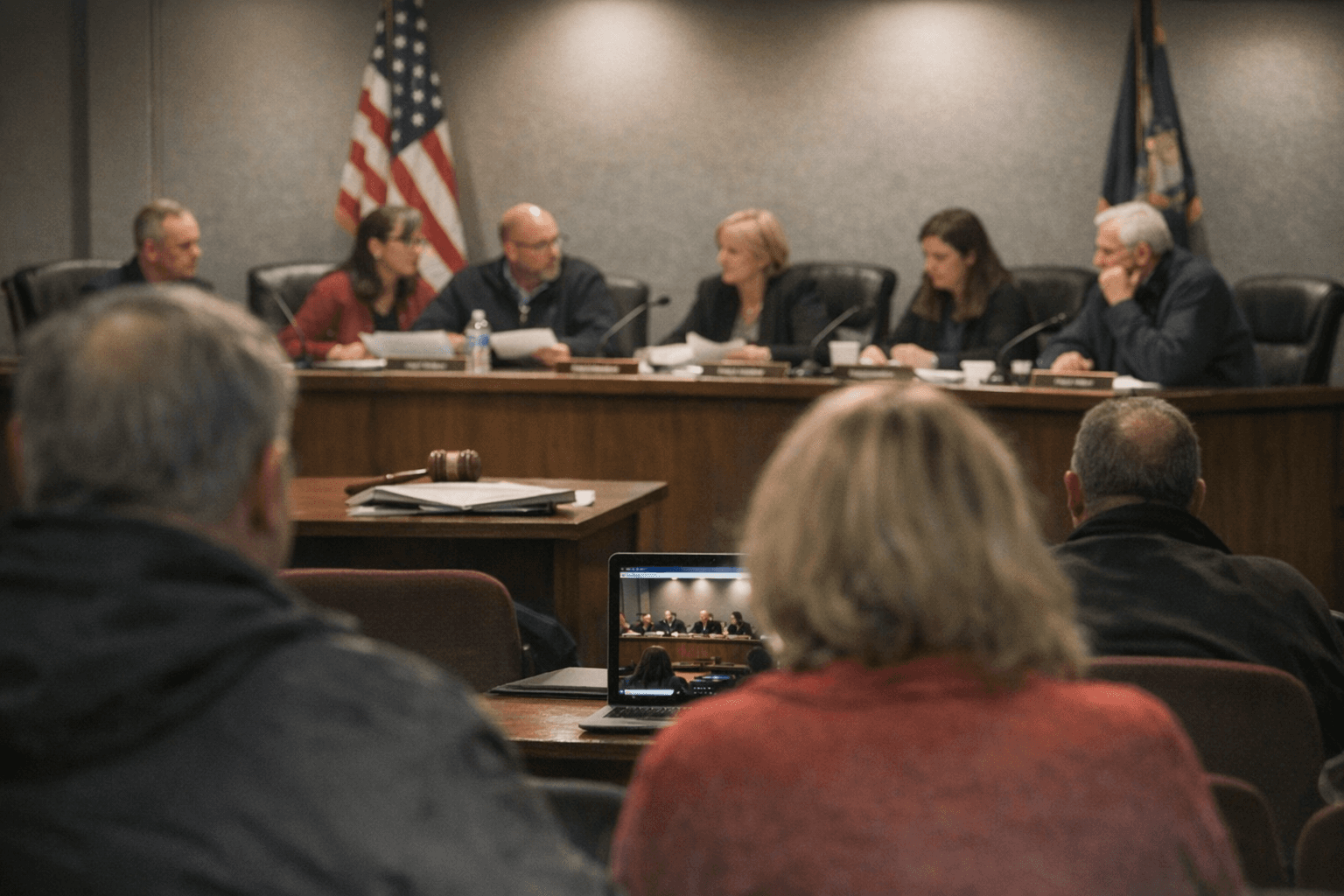
Orange County Schools Seeks Community Input for 2026-2031 Plan
Orange County Schools is developing a five-year (2026-2031) strategic plan and inviting families, staff and community members to help set district priorities.
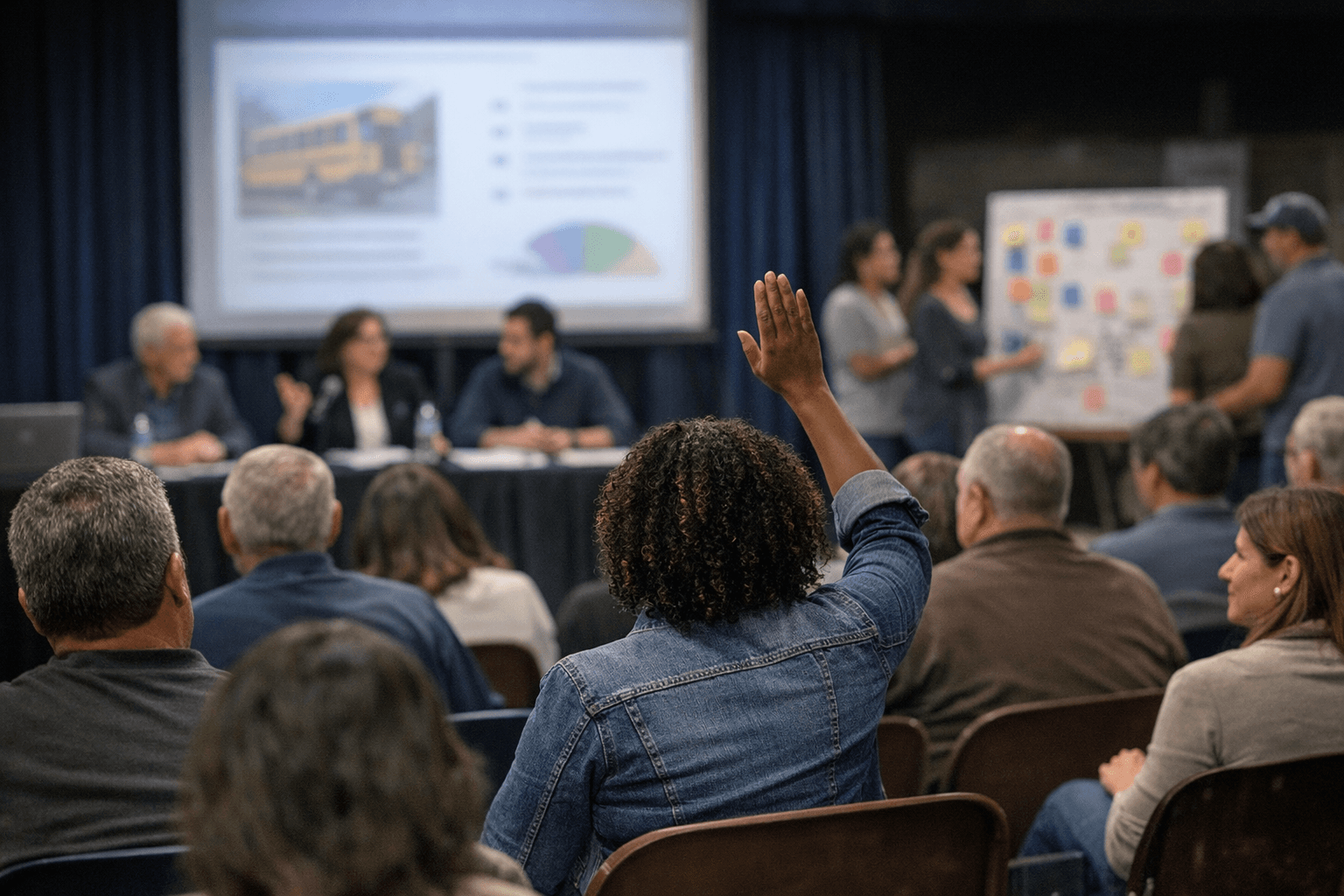
Orange County Schools is launching a five-year strategic planning process for 2026-2031 that centers public engagement through focus groups, neighborhood listening sessions and an open application process for participants. The district has posted a Shape Our Future page that lists meeting opportunities, explains how to apply and outlines when selected applicants will be notified, creating an ongoing hub for participation and updates: orangecountyfirst.com/our-district-main/ocs-strategic-plan
The planning effort is organized around priority-area focus groups intended to gather input from families, staff and community stakeholders. Neighborhood listening sessions are scheduled as part of the engagement mix to capture concerns and priorities at the street level, and the open application process gives residents a formal route to request participation. The district describes these components as part of a sustained timeline that will inform goal-setting for the next five years.
For local residents, the strategic plan will shape district direction on academic priorities, staffing and resource allocation, and performance measures that inform accountability to voters and taxpayers. A clear public engagement process gives parents, educators and neighborhood leaders the chance to influence which issues rise to the top when the board and administration set budget and policy priorities. Conversely, low participation risks leaving critical decisions to a smaller set of stakeholders and reduces the plan’s representativeness.
Institutionally, this process is a test of the district’s capacity to translate community input into measurable commitments. The Shape Our Future page functions as both an outreach channel and a records trail for transparency: listing focus group dates, application instructions and notification timelines makes it easier for residents to hold the district to stated deadlines. How the district documents feedback, integrates it into draft goals and reports back on implementation will determine whether the plan becomes an actionable roadmap or a statement of aspirations.
There are also civic ramifications. Strategic planning cycles often intersect with school board election cycles and budget decisions. Organized community engagement now can shape the narratives and priorities that candidates and trustees respond to in the months and years ahead. Higher turnout in planning activities increases the political salience of local concerns and improves the likelihood that those concerns are reflected in policy and funding decisions.
Residents who want to participate should visit the Shape Our Future page for the latest focus group dates, application steps and notification details. Monitoring the district’s reporting on how input is used will be essential to ensure this planning cycle results in concrete changes on campuses and in classrooms.
Sources:
Know something we missed? Have a correction or additional information?
Submit a Tip