Orbán concedes defeat as Hungary’s Tisza party nears landslide win
Orbán conceded after partial results put Péter Magyar’s Tisza party on track for about 135 seats, enough to reshape Hungary’s constitution.

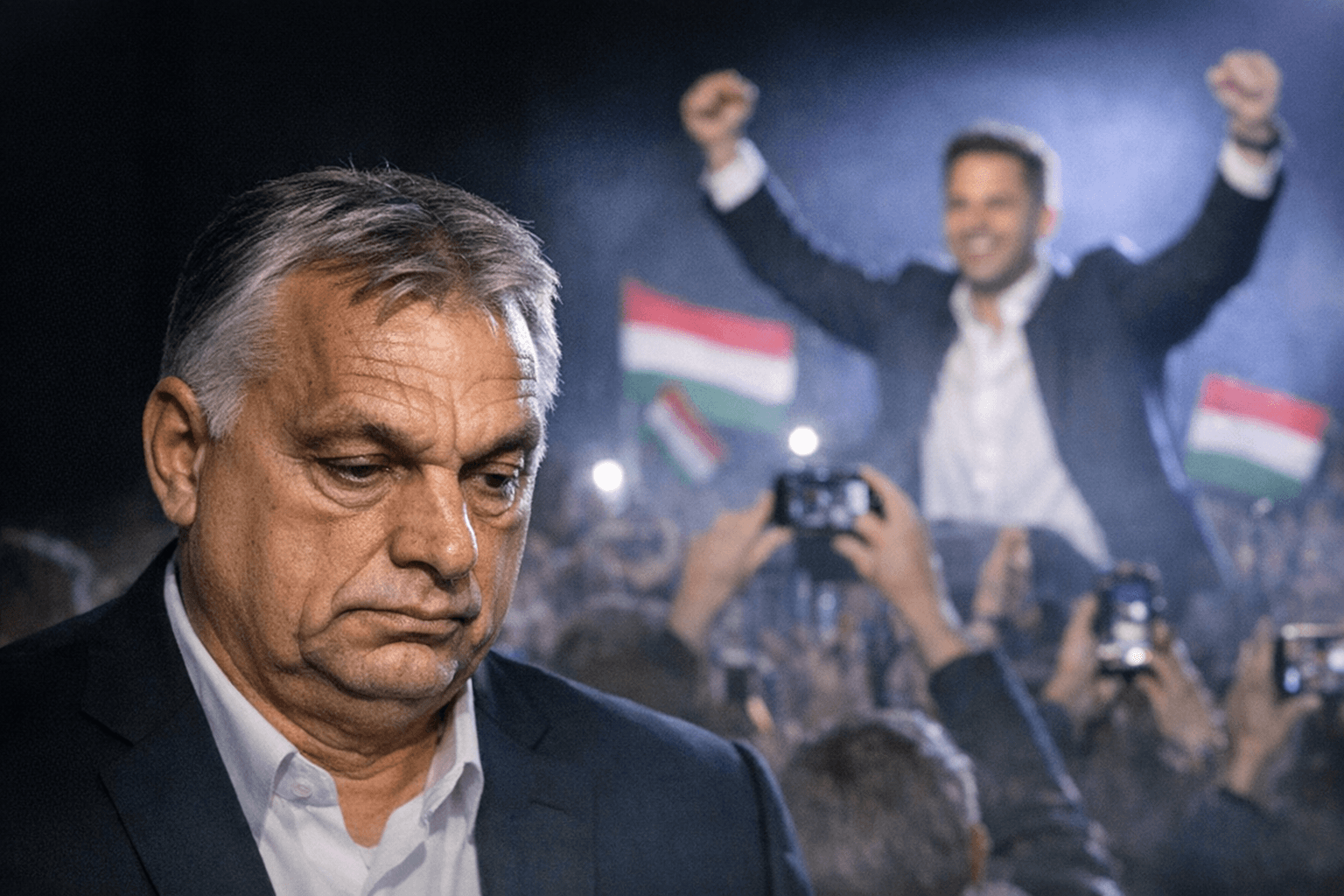
Outside Hungary’s parliament, the mood shifted from disbelief to release as Viktor Orbán conceded defeat and Péter Magyar’s Tisza party surged toward a landslide that could redraw Hungary’s political map. With about 45% of ballots tallied, the National Election Office projected Tisza on roughly 135 seats in the 199-seat parliament, a total large enough to control a two-thirds supermajority if confirmed.
Orbán, whose premiership began in 2010, called the result “painful but clear” and said he had congratulated the winning party. The concession ended a 16-year hold on power that made him one of Europe’s most dominant and divisive leaders, and it gave the vote the weight of a political turning point rather than a routine transfer of office.
Magyar’s breakthrough was sudden by the standards of Hungarian politics. Until recently, he was little known outside the country’s tight political circles, but a 2023 audio recording involving his then-wife, former justice minister Judit Varga, helped propel him into national prominence and intensify scrutiny of alleged government interference in a corruption case. From there, Magyar turned his new visibility into an organized challenge to Fidesz rule.
The scale of the contest was visible long before the count. Huge rival marches in Budapest drew supporters of both camps, and turnout was reported to be unusually high, with some descriptions calling it record-setting. That level of participation suggested a public mood that had hardened after years of corruption fatigue, economic strain, and frustration with the concentration of power around Orbán’s government.
The stakes now extend well beyond Hungary’s borders. A Tisza majority of this size could give Magyar the leverage to pursue major constitutional and structural changes, while also forcing a reappraisal of Hungary’s relationship with the European Union, its stance toward Russia and Ukraine, and the future of press freedom at home. European leaders quickly congratulated Magyar as the result became clear, underscoring how closely watched Hungary’s shift has become.
For Orbán, the symbolism of a peaceful concession may matter almost as much as the loss itself. After years of democratic backsliding claims and tightening control, Hungary’s voters appeared to deliver a rebuke strong enough to end an era that once seemed politically unbreakable.
Know something we missed? Have a correction or additional information?
Submit a Tip