OSHA Guidance Highlights Forklift Risks, What Home Depot Employees Need
Federal OSHA rules for powered industrial trucks lay out strict training, certification, and shop floor practices that are central to preventing forklift related injuries. A recent litigation involving a forklift crash has put those requirements into sharp relief for Home Depot workers and safety managers, because the guidance targets hazards common in big box retail settings.

Federal Occupational Safety and Health Administration guidance for powered industrial trucks sets clear employer responsibilities that matter to workers at large home improvement retailers. OSHA requires that every powered industrial truck operator be trained, evaluated and certified in accordance with 29 CFR 1910.178(l). The agency also offers practical eTools and training modules employers can use to reduce the chance of injuries and fatalities.
OSHA highlights several hazards that are especially relevant to Home Depot stores. Pedestrian and vehicle interactions in parking lots and store yards present frequent risks. Loading and unloading tasks and situations where operator vision is obstructed call for safe practices and the use of spotters. Employers are expected to remove trucks from service when unsafe conditions exist, and to align workplace layout and traffic patterns with operator training to minimize exposure.
The guidance further reminds employers that federal rules prohibit minors under 18 from operating forklifts in nonagricultural employment, and points to industry consensus standards such as the ANSI ITSDF B56 series and NIOSH fatality data to guide prevention. OSHA framed these resources as a practical reference for safety managers responding to or seeking to prevent incidents like the forklift crash reported in recent litigation.
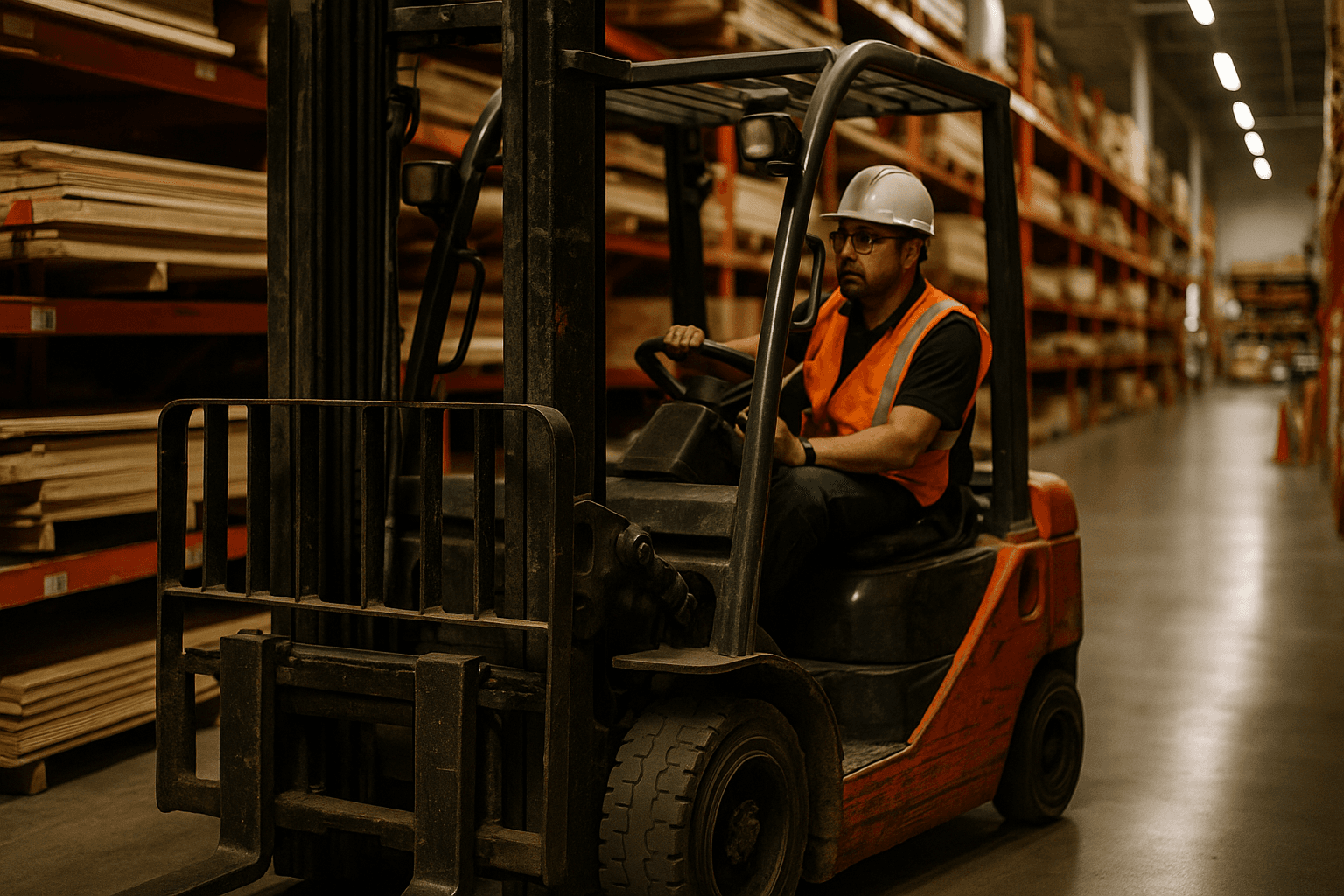
For frontline workers, the implications are immediate. Proper training and certification affect who can operate equipment and how supervisors assign tasks. Clear procedures for spotters and work zone control can reduce close calls with pedestrians, delivery drivers and other vehicles. For supervisors and safety teams, the guidance demands ongoing evaluation of operator competency, attention to workplace layout and readiness to take unsafe equipment out of service.
The litigation spotlight may prompt renewed scrutiny of compliance, workplace audits and retraining efforts across stores. That can lead to safer day to day operations, but also to operational changes such as additional staffing for spotter duties, adjusted scheduling for training time and heightened reporting of near misses. For employees, understanding OSHA requirements and seeing them enforced will be key to reducing risk and restoring confidence on the job.
Sources:
Know something we missed? Have a correction or additional information?
Submit a Tip