Otter Tail County Faces Major Funding Shortfall for Roads and Bridges
Otter Tail County faces a major funding shortfall for road and bridge maintenance, risking delays to repairs and higher costs for local travelers and taxpayers.
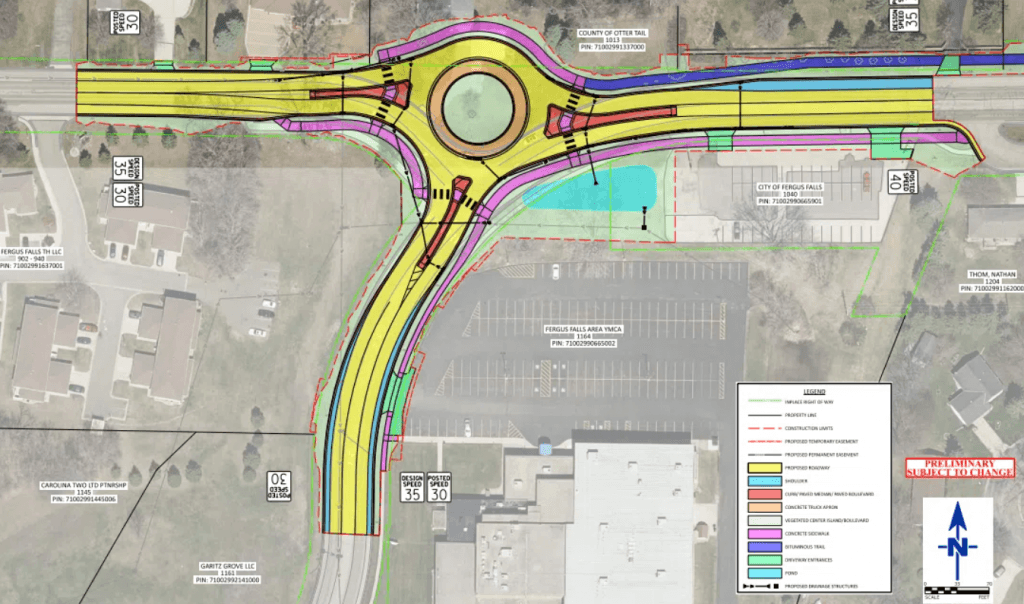
Otter Tail County is facing a significant gap between the money available and the funding needed to keep county roads and bridges in safe, reliable condition. County leaders and highway officials have identified the shortfall as a threat to timely repairs, routine maintenance and long-term preservation of infrastructure that residents across the county depend on.
Officials point to the county’s large geographic size as a key factor in the problem. With miles of rural roads, a dispersed population and seasonal pressures from agriculture and tourism, maintenance demands are high and costs accumulate quickly. The mismatch between those demands and available revenue means some projects will need to be delayed, prioritized or re-scoped during budget discussions.
The shortfall is likely to affect a range of day-to-day services. Maintenance crews may need to focus on the highest-risk routes and bridges, leaving lower-volume township roads and gravel routes to older cycles of repair. That could translate to longer travel times for school buses, heavier wear on farm vehicles, and a greater likelihood of temporary detours when bridge or culvert work becomes urgent. Residents who rely on lake access and seasonal traffic corridors could see peak-season congestion if repairs are not completed on schedule.
Road funding in Otter Tail County is managed through a combination of county levies, state aid and periodic grant dollars. With limited capacity to raise additional revenue without voter approval, county decision makers face hard choices about whether to redirect existing funds, seek state or federal assistance, or propose new local levies or bonding to close the gap. Each option carries trade-offs for taxpayers and for the speed at which deferred projects can move forward.
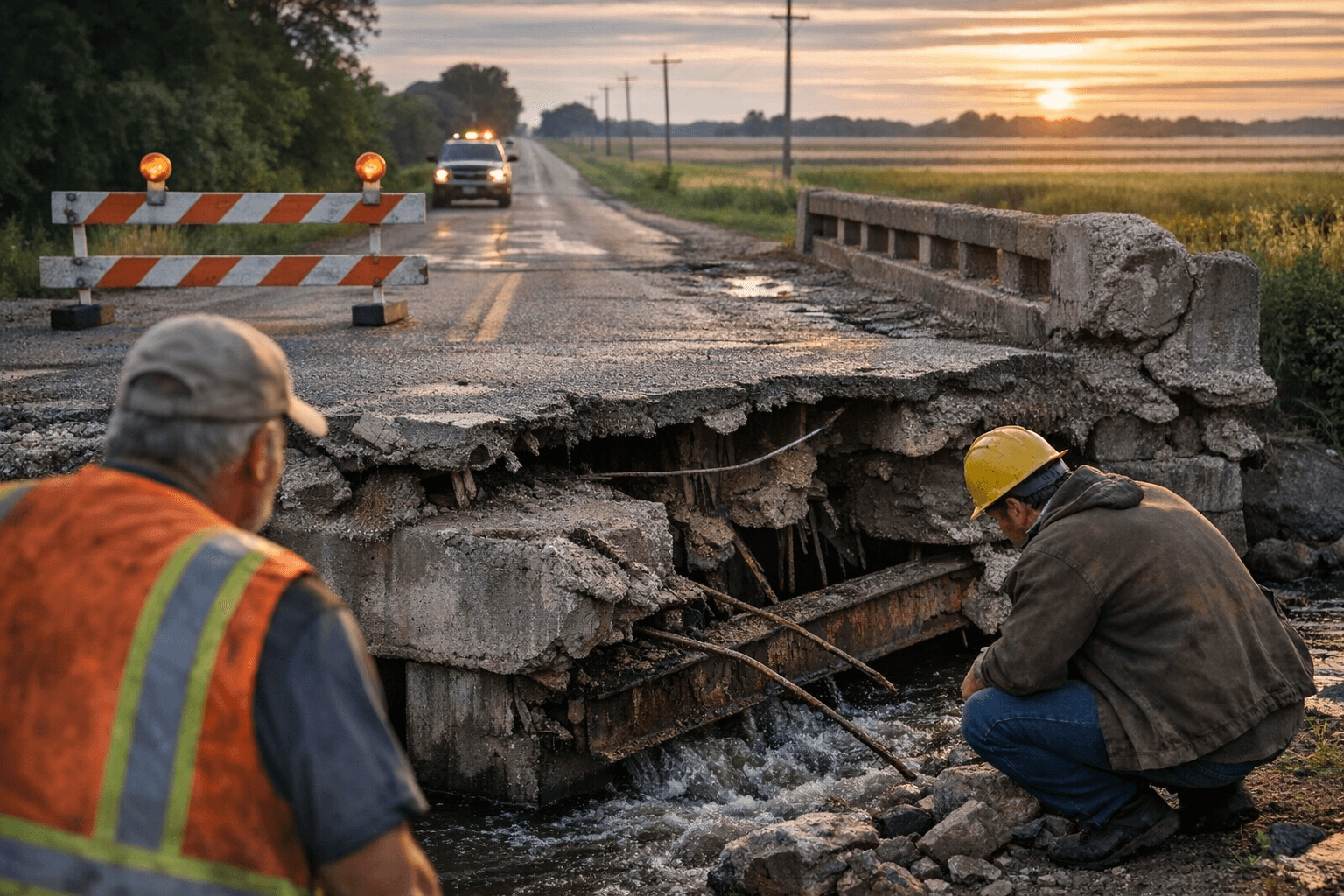
The shortfall also has implications for public safety and long-term costs. Delaying preservation work can make future repairs more expensive; while patching a shoulder or resurfacing a blacktop road is relatively affordable, letting pavement and structures deteriorate can push costs into far higher replacement projects. That dynamic matters in a county where weather extremes and heavy-season loads accelerate wear.
Residents should expect county budget hearings and infrastructure planning sessions to address these issues in the coming weeks. How the Otter Tail County Board and highway staff prioritize projects will shape travel conditions, local budgets and economic activity tied to farms, schools and tourism. In the short term, motorists can prepare for more targeted maintenance and possible detours; in the longer term, community decisions on funding will determine whether the county keeps its roads and bridges running smoothly or faces growing costs down the road.
Sources:
Know something we missed? Have a correction or additional information?
Submit a Tip