Outside network offers FBI workers legal, mental health support
A new alumni-backed network is stepping in with legal and mental health help as FBI departures, firings and relocations deepen fears about morale and readiness.
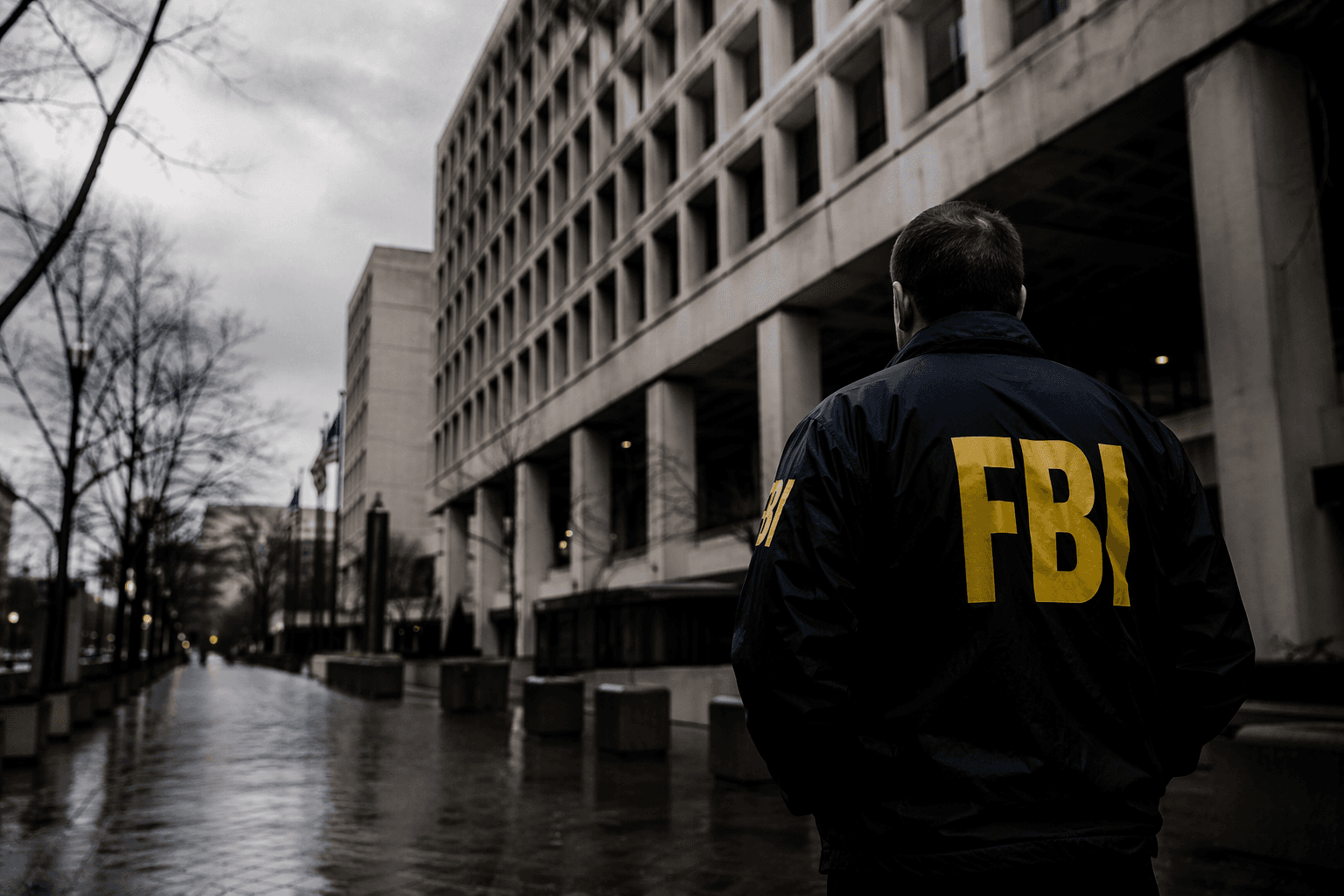
A new outside network is offering FBI employees legal advice, mental health support and job-search help at a moment when former officials say the bureau’s workforce is under unusual strain. The effort arrives as the Federal Bureau of Investigation faces a series of personnel shocks that have rattled morale, raised questions about retention and stirred worries about whether the bureau can keep experienced people long enough to carry out its mission.
The FBI Support Network is aimed at current agency employees who may need confidential help navigating legal problems, emotional stress or career transitions. Its backers say that support has become necessary because the workforce is being squeezed by the changes Kash Patel has brought to the bureau. The new network follows a similar model at the Justice Department, where Justice Connection was established in January 2025 to provide pro bono legal counsel, mental health assistance, media training and job-seeking help to employees under attack.
The broader environment inside federal law enforcement has been unsettled for months. In April 2026, the Associated Press reported that the FBI and Justice Department were scrambling to rebuild a depleted workforce after a wave of departures over the previous year. To fill gaps, the FBI has used social-media recruiting, shortened training for some federal employees and relaxed requirements for support staff who want to become agents. Some current and former officials have said those changes are lowering long-accepted standards, a concern that goes beyond staffing and into the bureau’s independence and professional identity.
The pressure has also been personal. In September 2025, Brian Driscoll, Steve Jensen and Spencer Evans sued Patel and other officials over their firings, calling them part of a campaign of retribution. The lawsuit said Patel told Driscoll he knew the firings were likely illegal, but was powerless to stop them because the White House and Justice Department wanted out agents involved in investigations of Donald Trump. The complaint said the removals unnerved the workforce and erased decades of experience in terrorism prevention and violent-crime reduction.
Patel’s restructuring has also sent about 1,500 people out of FBI headquarters in Washington, roughly 10% of bureau staff in the D.C. area, with personnel shifted to field offices and to the Huntsville, Alabama, campus. Former officials have said the decentralization may have merits, but the combination of relocations, firings and departures has left many employees wondering who will stay, who will leave and whether expertise is being pushed out just as the bureau is responsible for counterintelligence, cyber threats, public corruption and terrorism cases. The FBI Agents Association says it represents more than 14,000 members, including over 90% of all active FBI agents, and already offers internal advocacy, legal representation and emergency financial support. The rise of an outside support network suggests many current and former employees think the strain now goes beyond what the bureau can absorb on its own.
This article was produced by Prism’s automated news system from verified source data, official records, and press releases, then run through automated quality and moderation checks before publishing. The system is built and supervised by the people who set the standards it runs under. Read our full AI policy.
Did this article answer your question?

