Overit Acquires Web Traffic Advisors, Adding AI-SEO Expertise and Chris Boggs
Overit acquires Web Traffic Advisors, bringing former SEMPO president Chris Boggs aboard as Chief Organic Strategist to accelerate the Albany agency's AI-era search capabilities.

Albany-based Overit has absorbed Web Traffic Advisors and its founder Chris Boggs into its agency stack, making a deliberate bet that buying AI-era search expertise beats building it from scratch.
Boggs, who has worked in search engine marketing since 2000, served as President of SEMPO (Search Engine Marketing Professionals Organization) and built his reputation across conference circuits at SMX and Pubcon before founding Web Traffic Advisors. His career moved through Avenue A/Razorfish, Brulant, and Rosetta before he launched Web Traffic Advisors as an independent consultancy focused on both traditional SEO and the emerging disciplines now called AEO (Answer Engine Optimization) and GEO (Generative Engine Optimization), which target AI-powered answer engines like ChatGPT, Perplexity, and Google AI Overviews rather than conventional search results pages. He joins Overit in the newly created role of Chief Organic Strategist.
CEO Dan Dinsmore said the acquisition "places Overit in a strong position to lead through that change." The deal offers two simultaneous wins: the immediate transfer of Web Traffic Advisors' active client contracts, which expand Overit's organic search revenue base from day one, and the embedding of Boggs' methodologies across Overit's existing client roster. Boggs cited cultural alignment and Overit's willingness to operationalize AI across service delivery as the deciding factors in joining.
The capability-buy model employed here carries distinct advantages over organic hiring. Building an internal team with genuine LLM-era fluency requires an extended runway of recruiting, onboarding, and knowledge transfer; an acquisition delivers expertise, client relationships, and established workflows immediately. The structured client migration plan Overit put in place is the operational centerpiece: managed transitions prevent attrition during handoffs and introduce the acquiring agency to new accounts as a capable partner rather than an unknown quantity.
Agency leaders eyeing similar acquisitions should stress-test several risks before signing. Integration failure is the most common: if Boggs' methodologies remain siloed within a new organic team rather than distributed across paid media and creative, the deal's two-sided value collapses into a simple client list purchase. Overpromising AI outcomes is the second hazard; agencies that market GEO and AEO services without infrastructure to measure and prove results risk churning the very clients the acquisition was meant to impress. Cannibalization of existing service lines, particularly paid search, creates internal friction when organic and paid teams compete for client budget rather than collaborating on full-funnel strategy.
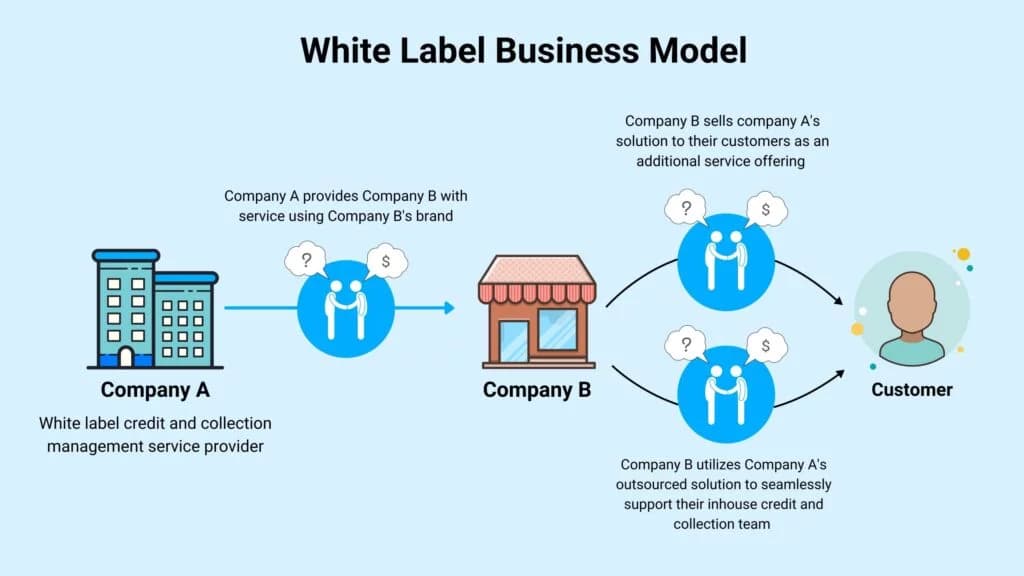
Smaller agencies that cannot pursue acquisition still have viable paths. A formal alliance with a specialist SEO consultancy, structured as a white-label or referral partnership with defined scope boundaries, replicates the capability signal without the capital outlay. Workflow automation through AI-assisted content brief generation, technical audit tooling, or LLM crawl simulation can compress the gap between generalist and specialist. Niche vertical specialization, in sectors like healthcare or financial services, lets a smaller shop build genuine AI-search depth without needing to cover every industry.
The first 90 days post-close will determine whether this becomes a blueprint or a cautionary tale. Whether Boggs' frameworks propagate across Overit's full service line, whether migrated clients stay and expand, and whether the agency can substantiate its AI-search positioning with measurable outcomes are the metrics that will define what this deal was actually worth.
Sources:
Know something we missed? Have a correction or additional information?
Submit a Tip