Oviedo, Winter Springs Officials Warn State Property-Tax Cuts Would Hollow Budgets
Oviedo and Winter Springs officials warned state proposals to cut or eliminate property taxes could force service cuts, layoffs, lower credit ratings and higher borrowing costs.
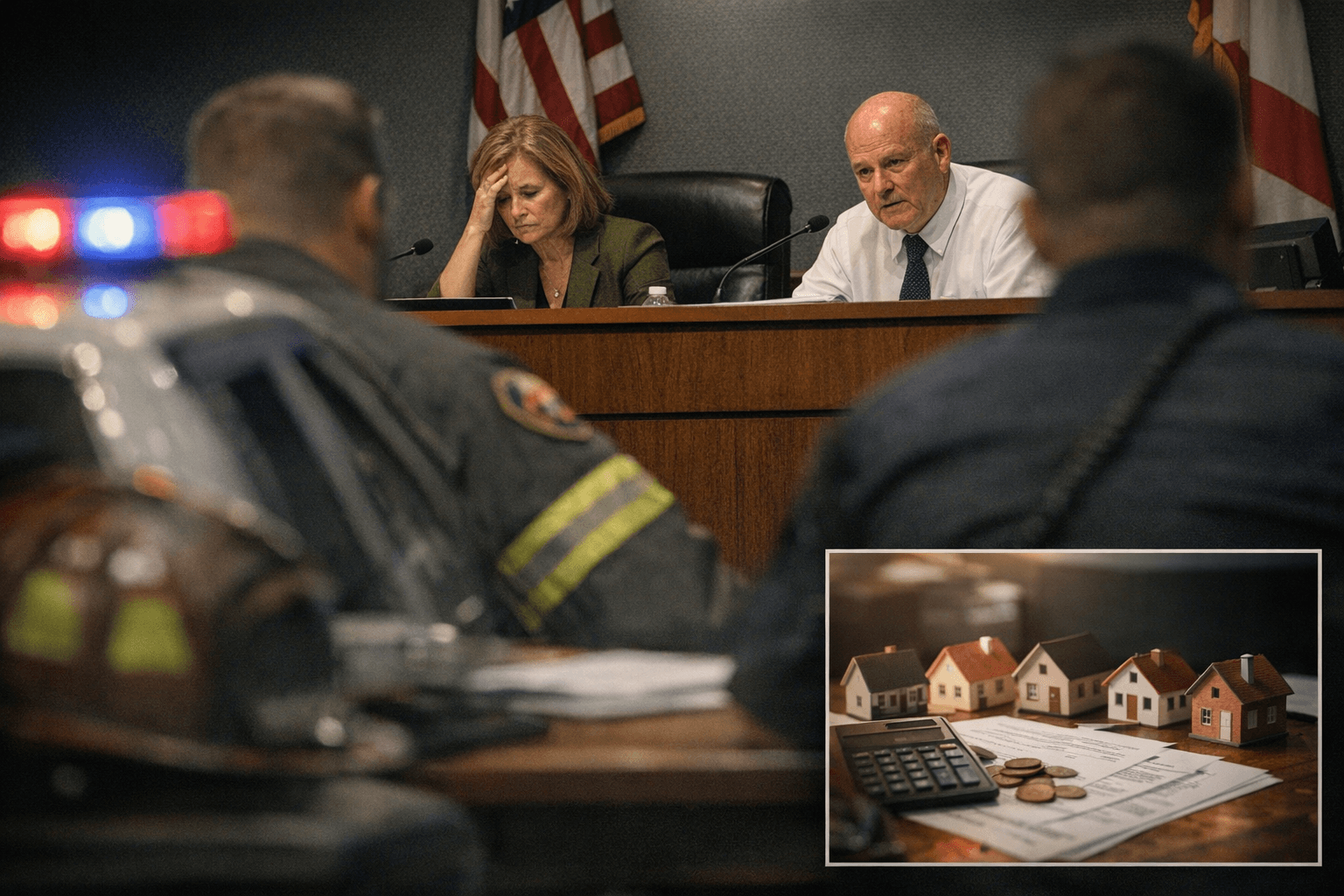
Local leaders and fiscal experts in Oviedo and Winter Springs raised alarms after state-level proposals publicized deep reductions or elimination of property taxes, saying the changes would strip essential general fund revenue and force painful service cuts and layoffs. Coverage on Feb. 25, 2026 emphasized smaller suburban and bedroom communities would be particularly strained.
Municipal officials point to an uneven shield in many bills: “Fire departments and emergency services are especially concerned because some proposals do not shield them from the impact of property tax cuts—unlike law enforcement and schools—leaving their budgets vulnerable,” officials and analysts noted in Pew and Governing excerpts, signaling local public safety budgets could face disproportionate hits.
The policy push has reached the governor’s office. Ron DeSantis has prioritized property tax relief and included $300 million in his proposed budget “to offset the effects of homestead property tax cuts for fiscally constrained counties,” and DeSantis has also said he would call a special session this year if lawmakers don’t put a constitutional amendment to eliminate property taxes on the November 2026 ballot during their regular session.
Municipal advocates warned of downstream finance effects. Charles Chapman of the Florida League of Cities warned the proposals “would devastate counties and cities in myriad ways,” adding “property taxes are a stable revenue source used to set cities’ credit ratings and any significant reduction would lead to lower credit ratings for them.” Chapman said, “This means cities will face higher interest rates for capital debt financing for infrastructure projects and, in turn, it will cost the taxpayers more for less benefit,” and he cautioned, “Without a viable revenue replacement plan, cities will be faced with some very tough choices to fund service.”
State and out‑of‑state examples underscore the scale and mismatch between cuts and replacements. Wyoming lawmakers are considering increasing a 2025 property tax cut to 50% and exploring eliminating property taxes and replacing them with sales and use taxes pending voter approval; the Wyoming Legislative Service Office projects “local governments and schools would collectively lose $644 million per year in revenue if property taxes were eliminated,” while the Wyoming Department of Revenue estimates a proposed 2-percentage-point sales tax increase to 6% would raise “only around $475 million annually,” leaving a shortfall. In Ohio, the Ohio Municipal League and the Ohio Association of Professional Firefighters warned elimination of “inside millage” would likely force service cuts, layoffs, and deferred maintenance. Alabama’s model caps tax assessments at 7%, limiting increases in a revaluation cycle.
Local governments are already mobilizing. A city council met in a special call session “last Tuesday” to highlight what’s at stake if voters approve a property tax reduction or elimination referendum this November, and Cotugno said he would place the property tax issue on the next city council meeting agenda for Feb. 24 so council members can decide how best to alert residents and protect the city. Councilmembers plan to continue the discussion at the next regular meeting to inform voters about hidden costs. Falls told council members, “This will not be a tax cut, it will be a tax shift,” calling it “A tax shift to higher sales taxes, new fees, and/or reduced local services,” and warning that the measure “will also shift local decision-making power to the state government.”
At the state legislative level, a House Select Committee on Property Tax Reduction and Reform created by House Speaker Destin Hall in December held its third meeting on Feb. 18, with Rep. Overdorf saying the committee’s information “has made clear changes are needed” and that “Local government property tax is increasing at an unsustainable rate and is causing undue financial burden on Florida’s citizens, homeowners and businesses… It is time to put money back in the hands of Floridians.” House Democratic Leader Fentrice Driskell warned that increasing sales taxes as a replacement “would disproportionately burden less well-to-do residents, particularly non‑homeowners,” asking, “If part of the rationale of these property tax cuts are to help our families who are struggling with affordability, then why would we leave our local governments with options that would include imposing a greater tax burden on those who have the least ability to pay it?”
With the House committee “not meet[ing] again until March” and local councils scheduling outreach and agenda votes, Oviedo and Winter Springs officials say the immediate task is clarifying bill text and replacement revenue plans; without those details, they warn budgets will be hollowed, capital borrowing will cost more, and long-standing local services could be cut as the state debate moves toward potential special sessions and a possible November 2026 ballot.
Sources:
Know something we missed? Have a correction or additional information?
Submit a Tip