Packing, Prep and On-Court Drills Every Pickleball Retreat Attendee Needs
Essential packing and drill advice for pickleball retreat attendees, from paddles and shoes to coach-ready drills and safety tips that maximize practice and prevent injury.

Pickleball-specific gear drives performance, and for retreat attendees that starts long before the first serve. Whether you are headed to a weekend in-state clinic or a week-long destination retreat, a compact, travel-tested checklist and a short on-court drill plan make practice time count and reduce avoidable hassles.
Pack your primary paddle plus a backup paddle if you have one; loaners exist but players perform best with familiar rackets, Prismedia Ai warns. Each family member should have their own paddle that suits their skill level and grip size, and if you’re beginners, opt for lighter paddles that offer good control, Pickleballtravel advises. Bring two to four quality balls and verify whether the retreat uses indoor or outdoor balls so you match drills and warmups; packing both indoor and outdoor varieties keeps you ready for court-surface surprises.
Court shoes with lateral support are non-negotiable; choose sole types that suit the court surface and bring moisture-wicking socks and two to four sets of athletic clothing so you avoid wearing damp kit between sessions, Prismedia Ai recommends. For outdoor retreats, sunscreen is essential: Pickleballtravel notes, “Sunscreen: Choose a high-SPF, water-resistant sunscreen to protect your skin during outdoor play. Remember to reapply regularly.” Hats, visors and wraparound sunglasses also improve visibility and sun protection on court. Consider knee pads and wristbands for children or injury-prone players.
Bag size matters. Selkirk puts it simply: “For a normal day at the court, you may bring a smaller pickleball bag.” “When packing for a pickleball tournament, it's essential to have a larger pickleball bag,” the brand adds, and points to what Selkirk pro Catherine Parenteau packs as a useful example for tournament prep. Recovery gear and travel documents belong in your kit as well; Prismedia Ai summarizes the essentials: “Pack paddles, shoes, recovery gear, and confirm travel documents.”

Before you leave, confirm court surface, ball type, the clinic schedule, and coach bios so you choose the right shoes and group level, and verify laundry availability, shuttle times, deposits, and cancellation policies, Prismedia Ai advises. On site, arrive to clinics warmed up, follow coach-level groupings, and communicate injuries or limits so drills can be adapted. Retirees and families will appreciate that “retreats are built on community, participate in team drills and social events to get the most from coaching and match play,” Prismedia Ai adds, and many operators cap group sizes, so “book early if you want a preferred skill group.”
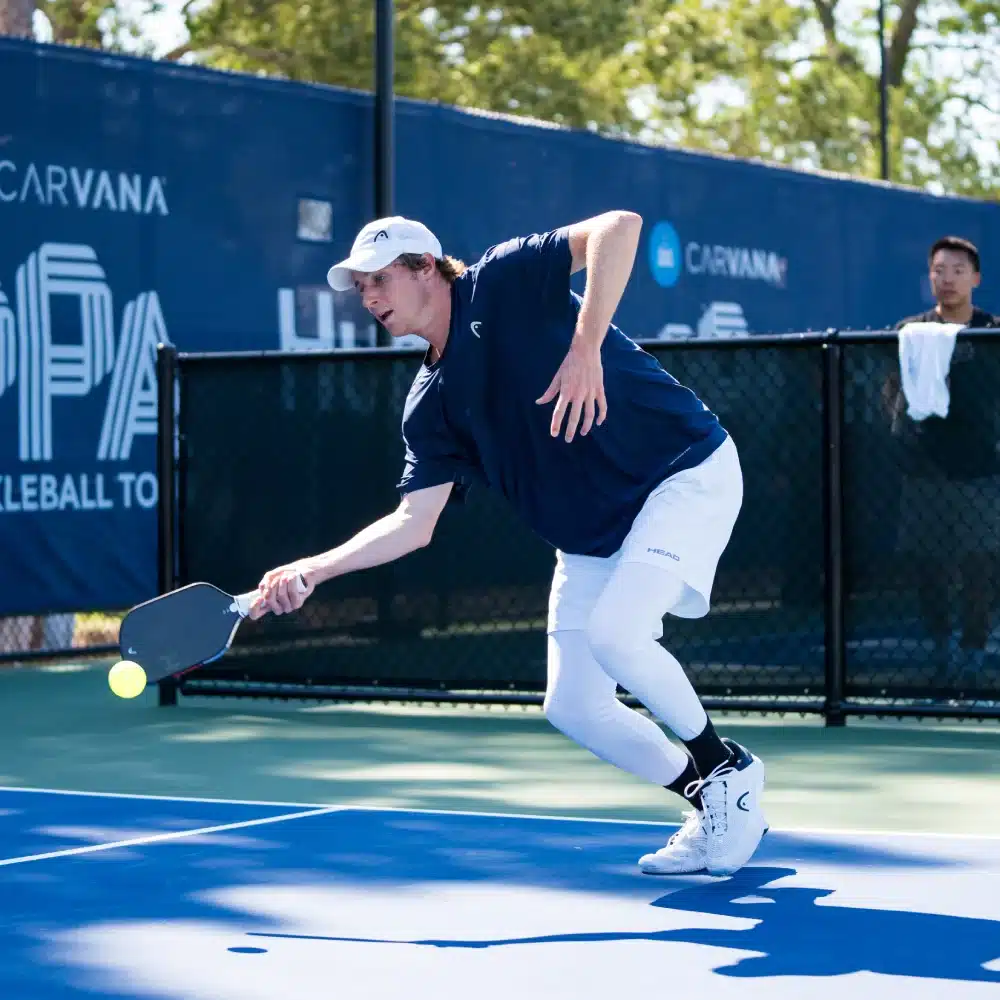
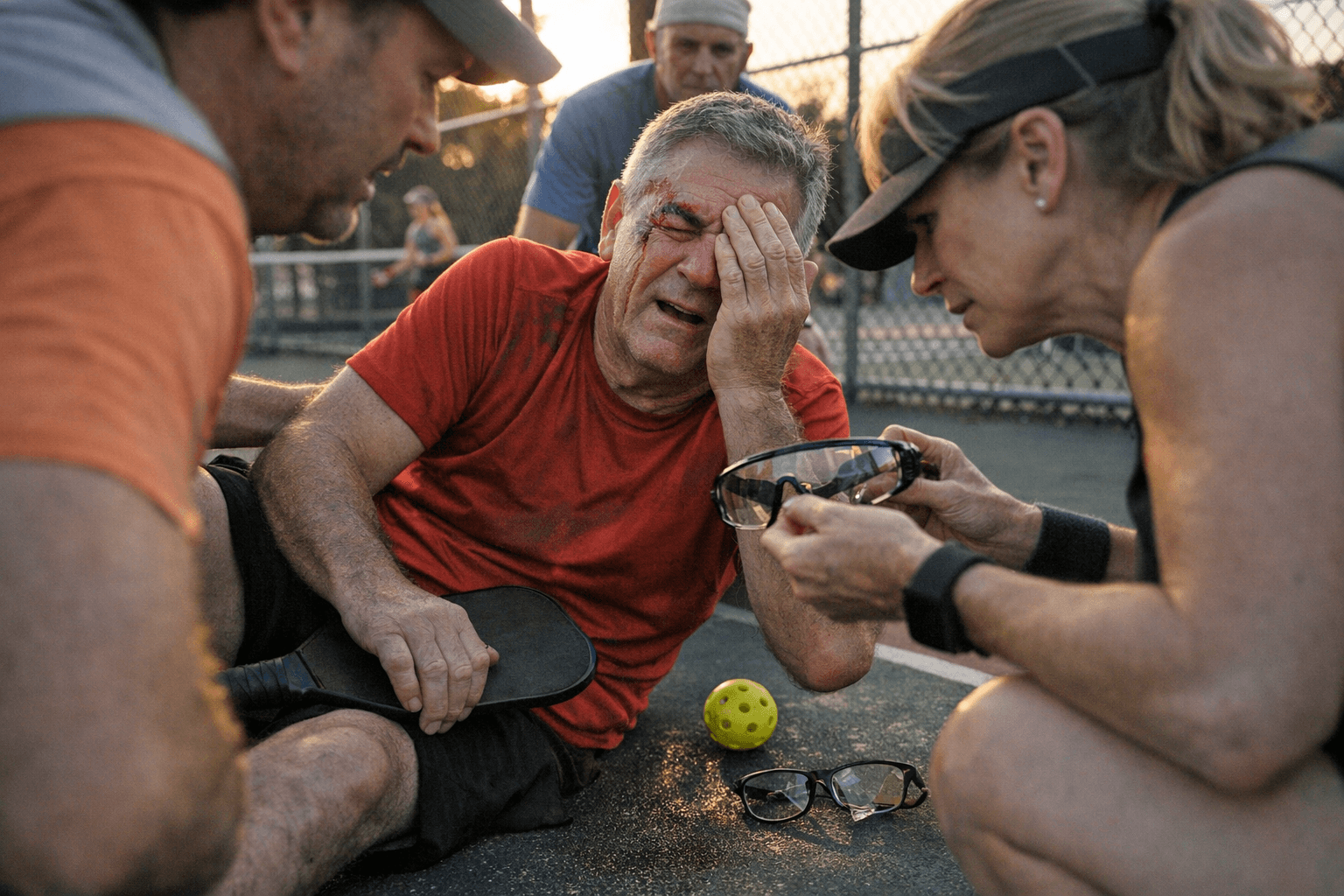
Drill time should be part of every retreat schedule. Prescottpickleball frames the case bluntly: “The simple answer is that you might get better, but you’ll have to play hundreds of games to acquire the same skills you can develop in a few hours of Drill Practice.” Try the Skill Level 3.0 drill: “Have 2 players assume the ready position near the NVZ at opposite corners. Start by dropping the ball into the NVZ and dinking CROSS court to your opponent. Slowly place the ball in front of your opponent, approaching each other in the middle, eventually passing each other. This forces each player to start with a forehand and switch to the backhand (as you pass). Continue play up and back in a continuous fashion until an error is created (net, out of bounds, out of the NVZ).” For lob work, follow Prescottpickleball’s sequence: “Turn toward your dominant hand, run forwards toward the back line, stop and turn reacquiring the ball, and return the LOB to your opponent’s back line (return the favor).” Heed the safety warning exactly: “DO NOT PACKPEDDLE. Serious LIFE THREATNING INJURIES may occur if players backpeddle, fall, and have their heads accelerate into the concrete.” Coaches should use discretion; if participants have limited mobility, “drop the drill and simply have all players WATCH a LOB being retrieved by instructors,” and for beginners “Make sure that LOBs executed in beginning levels of play are NOT retrieved, simply have them clap if the shot lands ‘in bounds’.”
For retreat attendees, that means pack smart, verify logistics, and book the right skill group early. Bring familiar gear, protect your body, and schedule focused drill time so a few hours of practice deliver the gains that hundreds of casual games cannot.
Know something we missed? Have a correction or additional information?
Submit a Tip