Padel's rapid rise reshapes racquet life in the Hamptons
Padel is expanding across the South Fork, blending tennis and squash into a social doubles game that is reshaping local clubs and leisure offerings. The sport’s hospitality-first model matters to players and hosts alike.
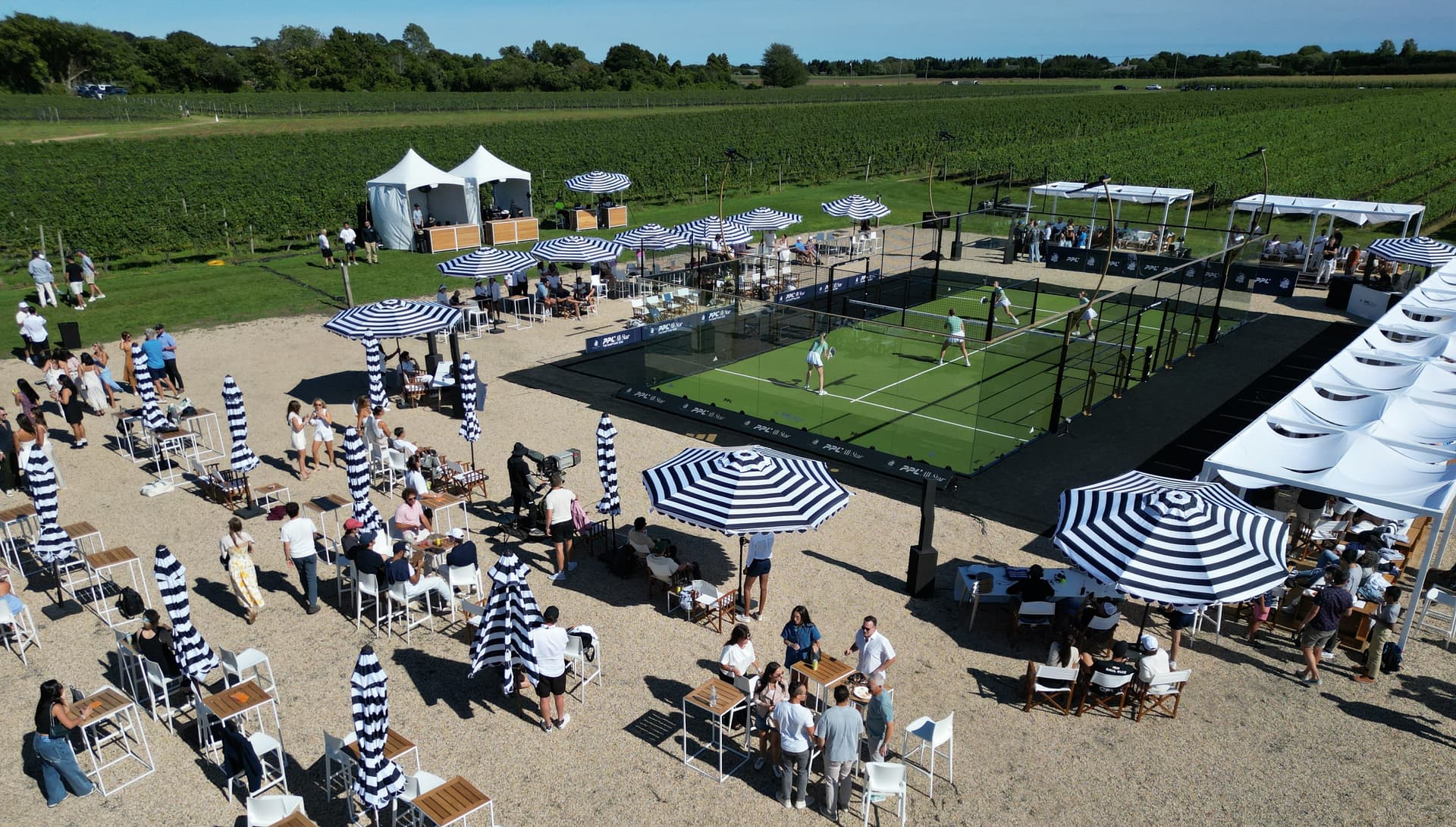
Padel has moved from niche curiosity to visible presence across leisure destinations, and the Hamptons are no exception. The sport’s social, doubles-first format and lower barrier to entry are prompting private estates and boutique racquet operators to add padel-style play alongside traditional tennis, changing how residents and visitors book courts, socialize, and train.
At its core padel borrows tennis strokes and court positioning while using walls and smaller courts like squash. That mix makes rallies fast, accessible, and highly social. Players who found tennis daunting or time-consuming are drawn to padel’s smaller court and emphasis on teamwork, while the doubles orientation shortens learning curves and makes pickup sessions easier to organize. As a result padel appeals to newcomers, social players, families, and players who want a fitness option tied to leisure experiences.
On the South Fork several operators have introduced padel options or promoted padel-style programming. Private padel at Wölffer Estate and installations or offerings from boutique racquet venues and operators including Privé and Brisas highlight how courts are being woven into a hospitality framework. That hospitality-first approach links courts to food, beverage, wellness amenities, and social programming, so a court reservation can be part of a broader outing rather than a single-sport visit.
The growth is not only social. International padel projects and lifestyle clubs have invested in court design, coaching pipelines, and booking technology, and those trends have arrived locally. Tech-enabled booking platforms make pick-up doubles and mixed-level sessions easier to coordinate, while clubs layer lessons, clinics, and small tournaments to seed a competitive scene. For players who want structured play, padel’s learning curve allows quicker entry into matchplay and ladder formats than traditional singles-centric tennis.
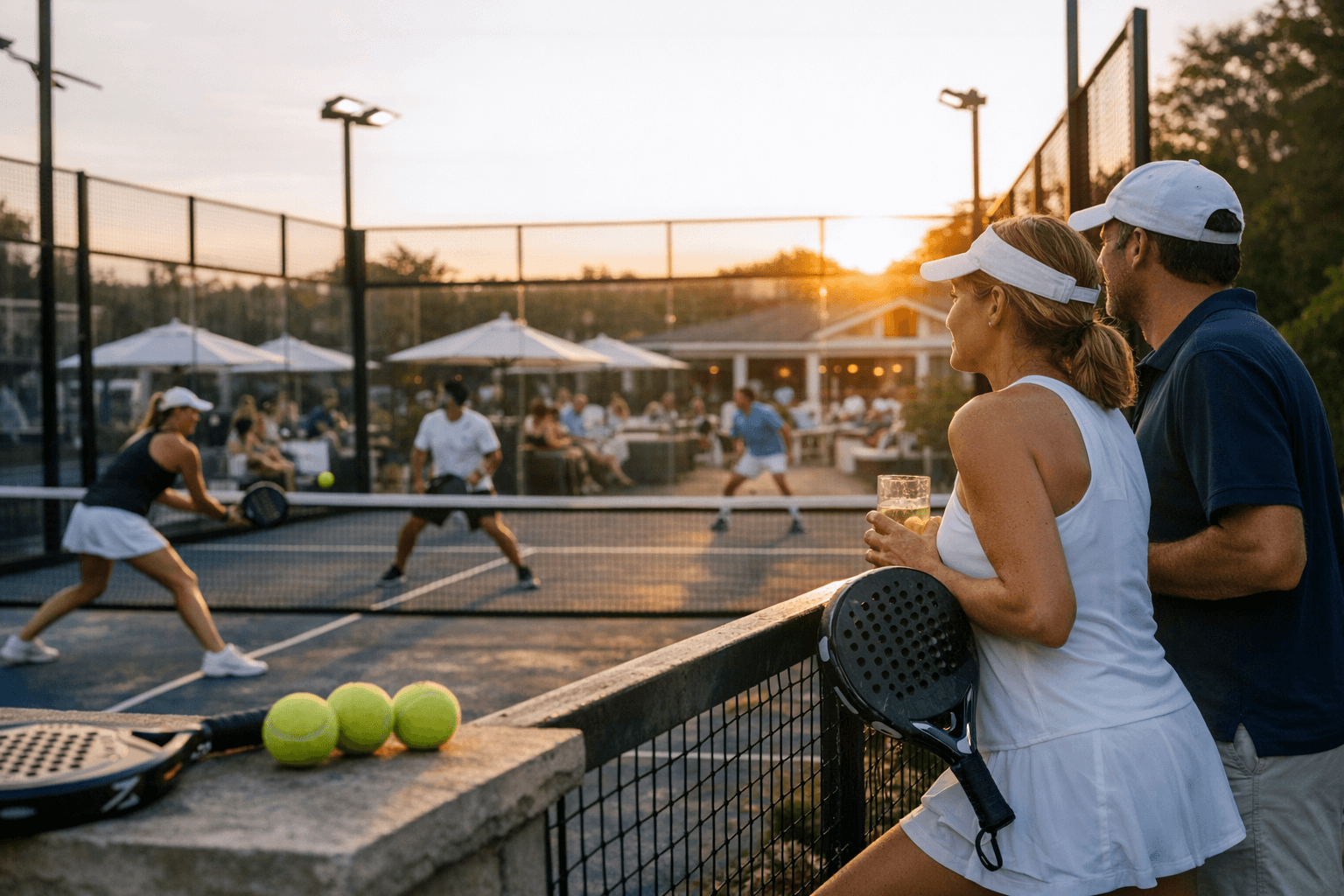
For community members the change carries practical value. Clubs and hosts are offering more flexible court rental models and social programming that pair play with dining and wellness. Coaches and tennis pros on the South Fork can add padel skill sessions to lesson rosters, expanding their offerings. Players looking to try padel can expect shorter sessions, easier partner-finding, and courts that fit social calendars, an appealing alternative for mixed-skill groups and multisport households.
Padel’s arrival in the Hamptons feels like a cultural and market shift: racquet sport fixtures are evolving from pure court time toward curated leisure experiences. Expect more integration between courts and club hospitality, expanded beginner-friendly programming, and local events that blend play with social life as padel continues to find its footing along the South Fork.
Know something we missed? Have a correction or additional information?
Submit a Tip