Painter reaches 24 of 365 mini goal with Bretonnian archers
A hobbyist painted 24 minis toward a 365-mini year challenge. Progress updates keep momentum and offer practical tips for speed, heraldry, and tabletop-ready approaches.
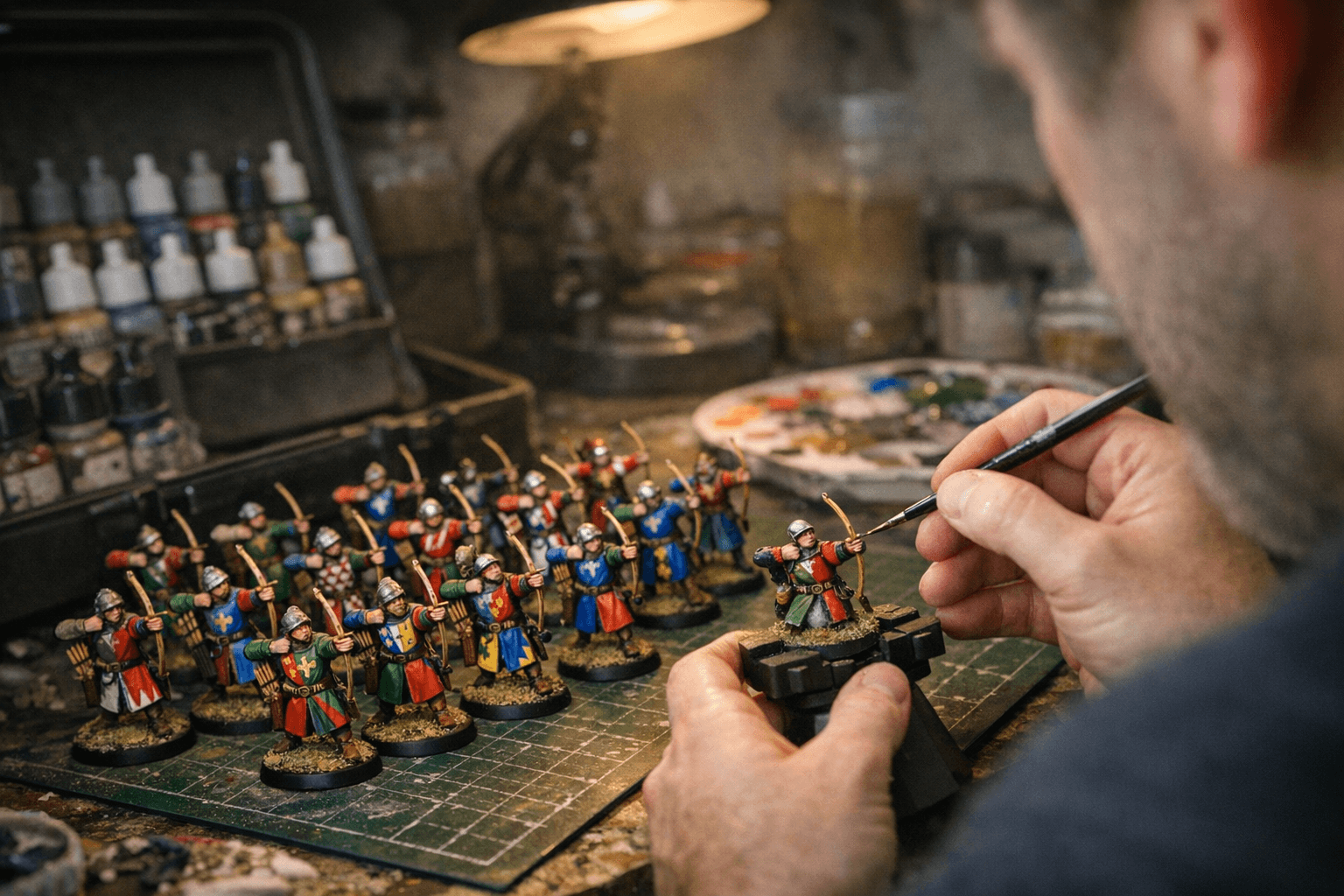
A local miniature painter launched a yearlong 365-mini challenge and reached the first milestone on January 14, 2026, completing 24 models in two weeks. The run of models are archers for a Bretonnian army and represent the sort of batch-focused output many painters pursue when chasing a productivity target.
The project is being run as a straight photo dump rather than a step-by-step tutorial series, but the painter is fielding questions from the community and plans to use the posts as a visual accountability log. Progress is being tracked plainly: 24 out of 365 completed models so far. The painter noted that heraldry on these archers is not fully finished and is exploring options to make consistent symbols across the unit. Goblin Hobbies stamping plates are on the shopping list as a potential time-saver for unit insignia, but for now the models are being counted as finished for the purposes of the challenge.
This approach is meaningful for readers working on similar goals because it highlights practical trade-offs between quantity and polish. Counting models as finished even when details like heraldry remain can be a deliberate tactic for sustaining momentum. Batch painting of archers is ideal for refining color harmony, base treatments, and tabletop-level highlights without getting stuck on single-model perfection. The painter’s decision to prioritize throughput over full heraldic completion is a useful case study for anyone balancing display ambitions with the reality of a 365-piece target.
The post offers tacit lessons that any painter can apply. Timeboxing and repetitive workflows, such as basecoating a whole unit, washing, then quickly layering, tilt the balance toward steady progress. If you prefer stricter heraldry, transfers, stamping plates, or masking and quick freehand methods reduce time spent on each shield. Photography-first documentation keeps a clear record of progress and invites feedback that can sharpen technique between batches.
Community response and accountability often determine whether a yearlong push succeeds. Public progress updates like this one create pressure to keep painting and also make it easier to trade tips on transfers, basing, and speed techniques. For painters trying a similar challenge, the immediate takeaway is practical: set realistic finish criteria, use batch workflows, and pick time-saving tools like stamping plates if consistent heraldry matters.
What comes next is more of the same drive: continued photo dumps as the painter moves deeper into the Bretonnian army, likely a purchase of stamping plates to tighten up heraldry, and steady accumulation toward the 365 target. Follow the updates to see how batch strategies and time-saving tools affect both pace and polish.
Sources:
Know something we missed? Have a correction or additional information?
Submit a Tip