Pakistan-administered Kashmir shuts down as protests turn deadly
A ban on a civil society alliance, a communications blackout and deadly clashes left Muzaffarabad and other towns deserted as Kashmir’s political fault lines exploded.
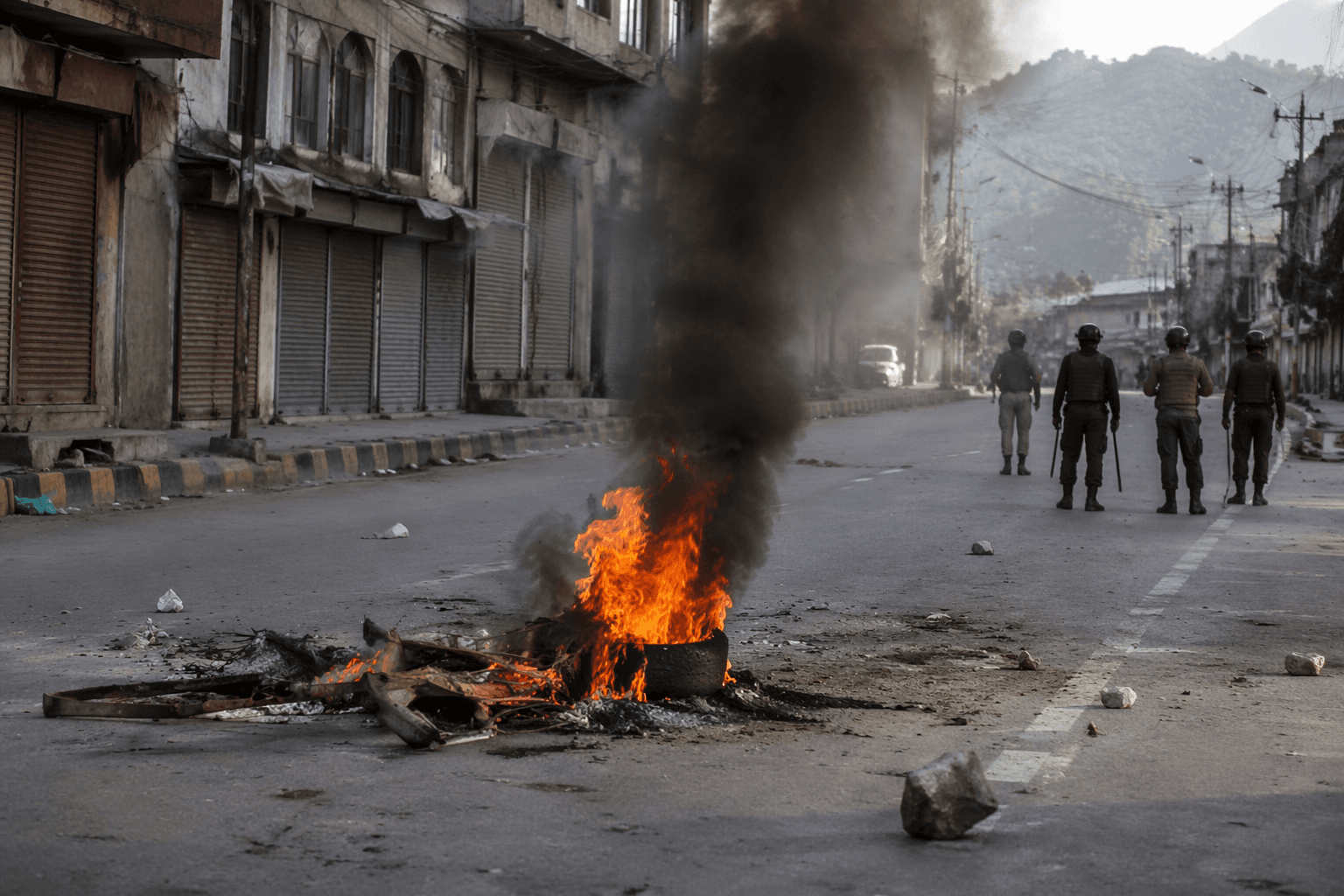
Cities and towns across Pakistan-administered Kashmir emptied out as protests over political rights turned lethal, leaving Muzaffarabad and other centers eerily quiet while police vehicles moved through largely deserted streets. By the time the region braced for a planned general strike on June 9, 2026, at least 11 people had been killed in overnight violence in Rawalakot, and more than 70 others were injured.
The confrontation began with the government’s decision to ban the Jammu and Kashmir Joint Awami Action Committee, a civil society alliance formed in 2003 that has long campaigned for greater political rights and the removal of 12 legislative seats reserved for Kashmiri refugees living in Pakistan. Authorities moved against the group after it called for the strike to protest the refugee-seat arrangement ahead of the July 27 elections to Kashmir’s legislative assembly, a dispute that has become a test of representation and regional identity.

The crackdown was sweeping. Pakistan-administered Jammu and Kashmir authorities designated the group a proscribed organization on June 5 under the Azad Jammu and Kashmir Anti-Terrorism Act, 2014, suspended mobile and internet services until June 12, deployed federal paramilitary troops and arrested journalist Sohrab Barkat on June 6 under Pakistan’s Prevention of Electronic Crimes Act, 2016. The government also opened sedition cases against four prominent leaders and announced a 10 million rupee bounty for their arrest.
In Rawalakot, the violence was especially severe. Reuters-backed reporting said police officers and a passerby were among those killed, underscoring how quickly the confrontation spread beyond protesters and into a broader security crisis. Other residents described Muzaffarabad as completely deserted and lifeless, with shops, markets, streets and bazaars shut. By Monday, the shutdown had spread across much of the region, with the strike still scheduled despite the ban.
The dispute has roots in a deeper political struggle. The Pakistan-administered Kashmir Supreme Court ruled that the 12 refugee seats are constitutionally protected and cannot be abolished without a constitutional amendment, strengthening the government’s hand on paper while hardening opposition in the streets. Amnesty International said the authorities’ response amounted to a violent and sweeping crackdown, marked by mass arbitrary arrests, deadly force and a communications blackout. The region has seen similar upheaval before, including earlier protests over flour and electricity prices, showing how quickly economic anger and political grievance can fuse into a challenge to state authority.
This article was produced by Prism’s automated news system from verified source data, official records, and press releases, then run through automated quality and moderation checks before publishing. The system is built and supervised by the people who set the standards it runs under. Read our full AI policy.
Did this article answer your question?